Rhinoplasty
The Top Rhinoplasty Plastic Surgeons in Beverly Hills
The Top Rhinoplasty Plastic Surgeons in Beverly Hills
Rhinoplasty (often referred to as a "nose job") is one of the most popular plastic surgery procedures performed each year in the United States.1 It can dramatically improve the overall appearance of the face, enhance the profile, and address a wide range of concerns, from aesthetic proportions to breathing issues. Cassileth's team of Los Angeles plastic surgeons can deliver beautiful results tailored to your facial structure.
Nose surgery is an ideal option for anyone looking to refine their nose to improve facial balance and harmony. If you want to change the size or shape of your nose, researching the best rhinoplasty surgeons in your area is the first step.

Contact Cassileth Plastic Surgery about capsular contracture in Los Angeles, Beverly Hills, Santa Monica, and beyond.
Browse our gallery of plastic surgery results to see the real-life difference our work has made on patients just like you, who came to us for help and care.
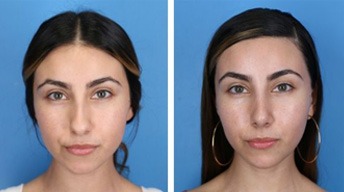
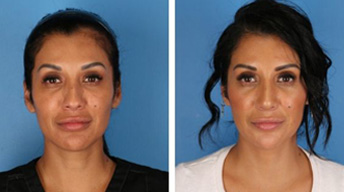
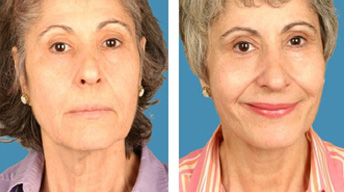
*Individual results may vary
Every surgery will yield unique results, but before-and-after images are an excellent way to see the quality of natural-looking outcomes our experienced plastic surgeons are capable of providing.
Dr. Hussain took care of an aesthetic concern of my nose that has bothered me for several years. He was patient and explained complex medical concepts in easy to understand terms. The scar was imperceptible within 2 weeks without anyone knowing what I had done. I highly recommend him to anyone looking for exceptional facial aesthetics delivered with compassion. – Ali F
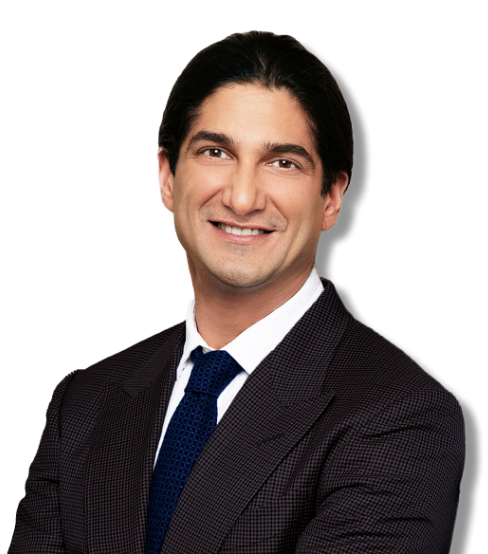
Double Board-Certified Plastic Surgeon in Beverly Hills specializing in Advanced Face Procedures

Reshaping the nose involves many fine details, including determining the ideal nose size to suit the patient's anatomy, addressing any breathing issues and/or birth defects, and refining the nasal bones and tip.4 We use a meticulous technique to chisel a new shape, remove any hump or bulbous tip, and reshape the patient's cartilage. Sometimes a patient may want rhinoplasty to get a higher or larger nose bridge, in which case we can add height to the nose by grafting cartilage from the ear or rib.
Open rhinoplasty involves an incision at the base of the columella, which is the strip of tissue between the nostrils. This allows the surgeon to directly see the cartilage, allowing for more exact results and refinement. Dr. Omar Hussain specializes in cartilage grafting and meticulous removal of excess tissue during a nose job. Since cartilage is contoured differently in each patient's nose, we reshape structures as needed with a cartilage graft from inside of the nose to create a more symmetrical shape and profile. Open rhinoplasty is ideal for addressing a deviated septum, improving breathing, addressing a larger area, such as the nasal bridge, and revision rhinoplasty procedures.
In closed rhinoplasty, also known as “scarless rhinoplasty,” there are no external incisions. All the work is performed inside the nostrils. This method is ideal for minor tip refinement and bone changes. Because this method is less invasive, it can sometimes be performed under local anesthesia and patients may have a quicker recovery.
Patients who have previously undergone one or more rhinoplasty procedures and are unhappy with their cosmetic or functional result may require revision rhinoplasty.
Every facial surgery requires a unique approach, and this is especially true for rhinoplasty. Because the nose is so prominent and such a defining feature, Dr. Hussain highly prioritizes an initial consultation to establish exactly what each patient wants their new nose to look like and what they do not like about their nose.
Careful examination of the external appearance and internal structures of the nose will help Dr. Hussain formulate a plan that maximizes safety and efficiency, as well as cosmetic and functional results. We use Vectra 3D imaging for rhinoplasty patients to aid in determining the best approach. This system allows surgeons to alter a three-dimensional image of the patient in order to visualize how various changes would impact not only the nose, but the look of the entire face.
Rhinoplasty is typically an outpatient procedure performed under general anesthesia. Before you are placed under sedation, you’ll review your treatment plan with your surgeon. During an “open” nose surgery, Dr. Hussain will start with a tiny incision on the columella, and then lift the skin and cartilage covering the nasal structures. He will then sculpt a new nose shape, removing or reducing excess skin, cartilage, and bone before redraping the skin and suturing the incision closed.5 During a “closed” nose surgery, Dr. Hussain will make the incisions on the nasal membrane to access the underlying nasal structures, which will be reshaped before being sutured closed.
Rhinoplasty is typically an outpatient procedure, so patients go home following surgery. While the healing process is different for everyone, generally one week of downtime is required after nasal surgery. The nose cast will be removed seven days after the procedure, which is also when sutures from an open rhinoplasty are removed. Depending on the thickness of a patient's skin, we may inject a steroid to help bring down the swelling during a post-op appointment. Bruising and swelling will resolve after about four to six weeks. Complete healing will take at least a year, with nose job results continuing to improve during that time.
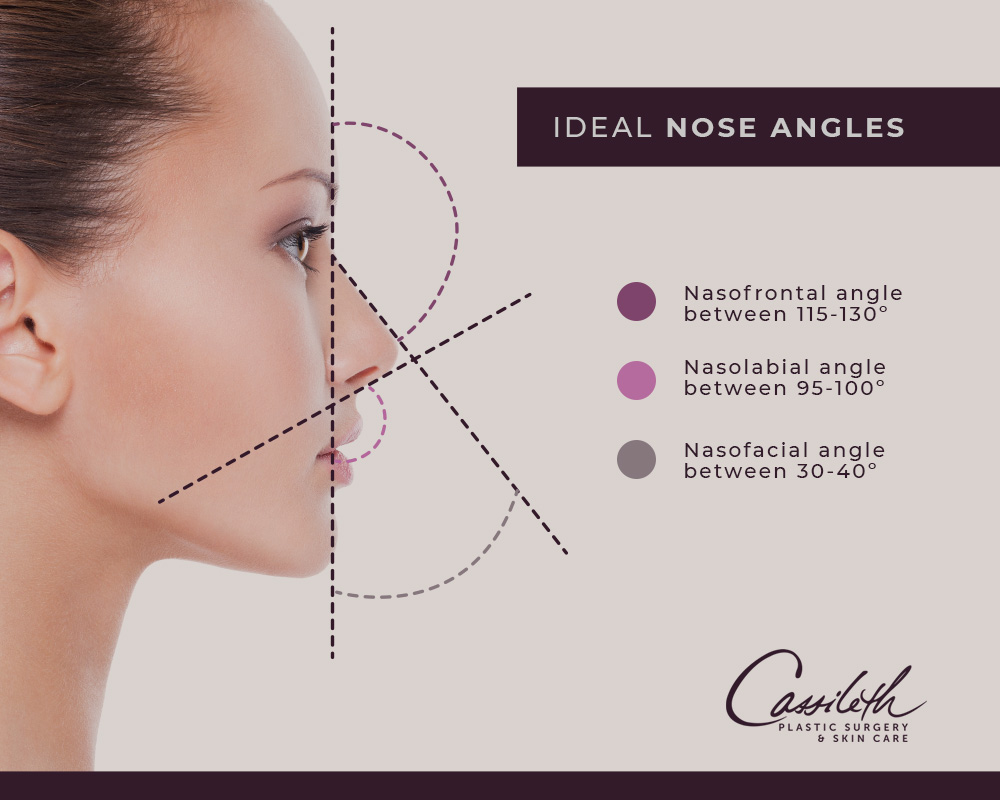
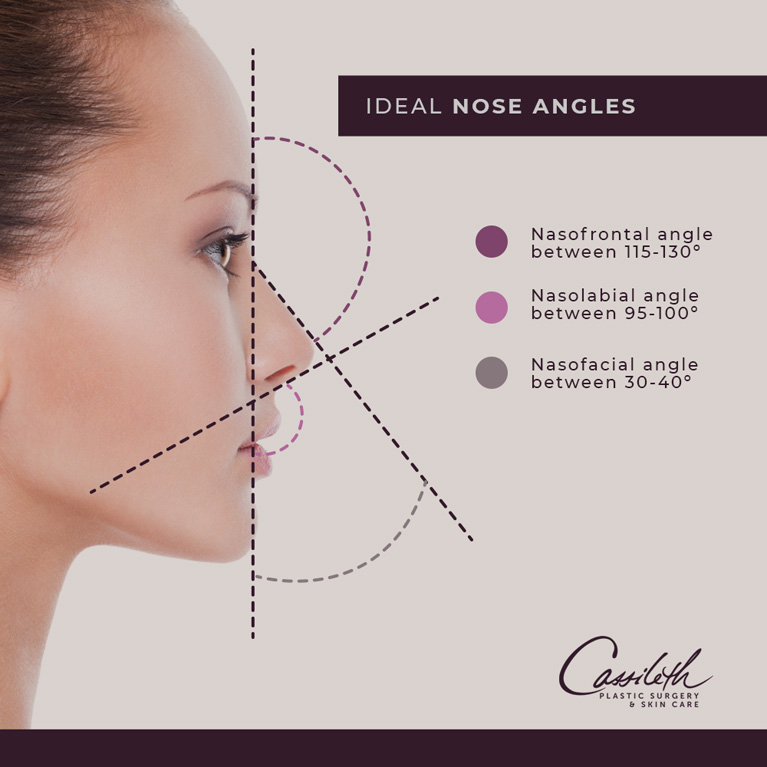
If you have concerns about the shape or function of your nose, or are unhappy with a previous nose surgery, rhinoplasty may be right for you. Ideal candidates for rhinoplasty are non-smokers, physically healthy, and have realistic expectations.6
Whether any bone breaking is necessary depends on a range of unique factors, including the pre-surgery anatomy of the nose, as well as the ultimate size and shape the patient wants to achieve. More precisely, if a patient has a dorsal hump (a bulge on the nasal bridge), the bones will need to be broken during a nose job to achieve correction.
With the advanced rhinoplasty techniques we use, patients generally do not need to have packing in their nose after surgery; however we may place soft splints to keep the septum straight. In the cases where packing is required, it is usually only in place overnight.
Whether or not you will have scars after rhinoplasty depends on the type of rhinoplasty procedure you have. While traditional rhinoplasty involves a trans-columellar incision (between the nostrils), we do everything we can to hide this hairline scar in the natural fold of skin where the columella (cartilage and skin between the nostrils) meets the maxilla (top of the upper lip). Because a closed rhinoplasty requires no external incisions, there is no visible scarring associated with this surgical approach.
No, a well-performed rhinoplasty should be virtually impossible to detect. While people who know you pre- and post-rhinoplasty may notice a change to your appearance, we strive to maintain harmony within your existing facial features and give each patient a new nose that provides balance and beauty to their face without being obviously “done”.
If a nose job involves significant change, such as a hump removal, patients can see results as soon as their cast comes off. For procedures focused more on refinement, such as correcting a bulbous tip, final results may take longer to develop. This is because refinements can sometimes involve a matter of millimeters, making them noticeable only after any swelling subsides. For traditional rhinoplasty procedures, you can generally expect that all swelling will have completely dissipated one year after surgery.
Harmony and balance are very important to facial aesthetics, which is why Cassileth Plastic Surgery offers procedures to address cosmetic issues with a range of prominent facial features beyond the nose. Facial plastic surgery procedures including ear surgery, facial implants, and chin augmentation and reduction are available, as is facial fat grafting to restore volume where desired, blepharoplasty to correct sagging eyelids, and brow lift surgery to lift the forehead.
Arrange a consultation for capsular contracture treatment at Beverly Hills' Cassileth Plastic Surgery. Women from Santa Monica, the entire Los Angeles area, and beyond can Send a message online or call (310) -278-8200.
1 American Society of Plastic Surgeons. 2020 Plastic Surgery Statistics. Available: https://www.plasticsurgery.org/news/plastic-surgery-statistics. Accessed June 28, 2021.
2 Harvard Health Publishing. Thinking about rhinoplasty? Available: https://www.health.harvard.edu/blog/thinking-about-rhinoplasty-2019030616112. Accessed June 28, 2021.
3 American Society of Plastic Surgeons. Two types of rhinoplasty explained – cosmetic vs functional. Available: https://www.plasticsurgery.org/news/blog/two-types-of-rhinoplasty-explained-cosmetic-vs-functional. Accessed June 28, 2021.
4 Mayo Clinic. Rhinoplasty. Available: https://www.mayoclinic.org/tests-procedures/rhinoplasty/about/pac-20384532. Accessed June 28, 2021.
5 American Society of Plastic Surgeons. What are the steps of a rhinoplasty procedure? Available: https://www.plasticsurgery.org/cosmetic-procedures/rhinoplasty/procedure. Accessed June 28, 2021
6 American Society of Plastic Surgeons. Rhinoplasty. Available: https://www.plasticsurgery.org/cosmetic-procedures/rhinoplasty/candidates. Accessed June 28, 2021.
Connect with us on social media! We pride ourselves on building real relationships with our patients near and far.
Copyright © 2020-2021
CASSILETH PLASTIC SURGERY
436 N. Bedford Drive Suite 103
Beverly Hills, CA 90210
Phone: (310) 278-8200
Hours: Monday-Friday 9AM-5PM
Cassileth Plastic Surgery in Beverly Hills offers breast reconstruction and other breast, body, and face procedures for the Los Angeles area, including breast augmentation, breast lift, breast reduction, breast reconstruction, complex breast revision, gynecomastia surgery, Mommy Makeover, tummy tuck, liposuction, rhinoplasty, facelift, blepharoplasty, fat grafting, and hair transplant/restoration. There are also non-surgical options, including Morpheus8, CoolSculpting®, CO2 Laser, BOTOX®, Kybella®, Juvederm®, other dermal fillers, and more. Patients come from the immediate area, West Hollywood, the Beach Cities (Santa Monica, Venice, Manhattan Beach, Malibu), and beyond—even Florida, Virginia, Hawaii, and Washington.
The Doctors at Cassileth Plastic Surgery have either authored or reviewed and approved this content.