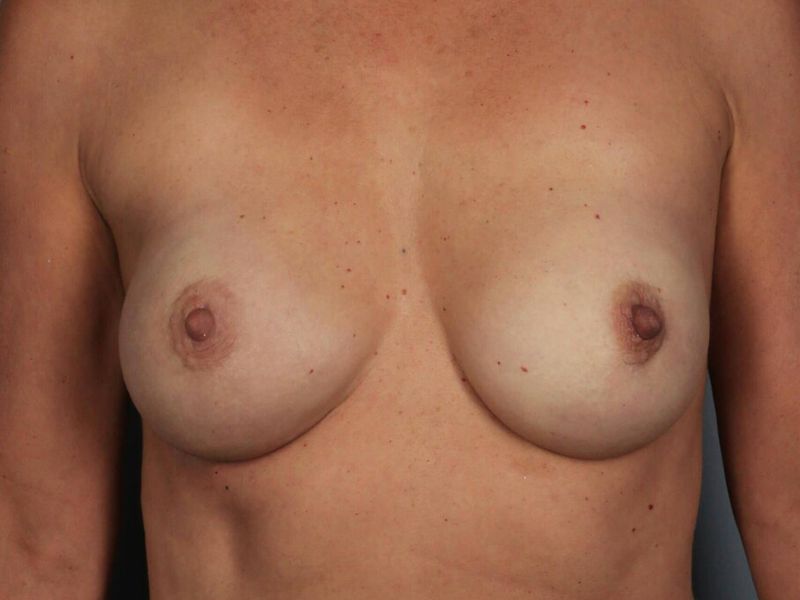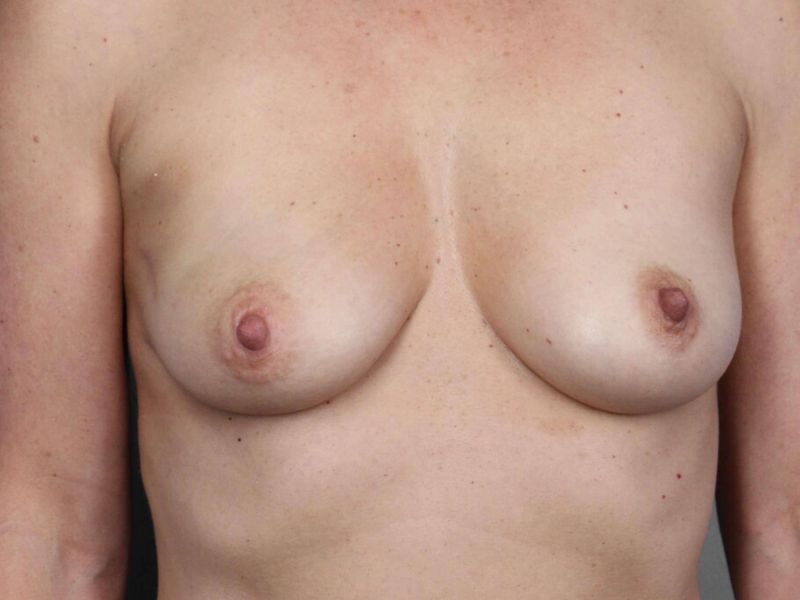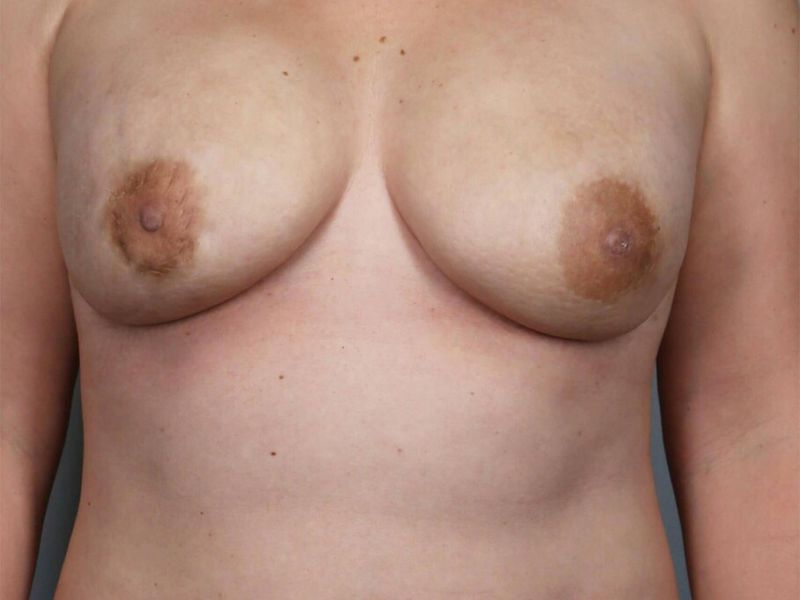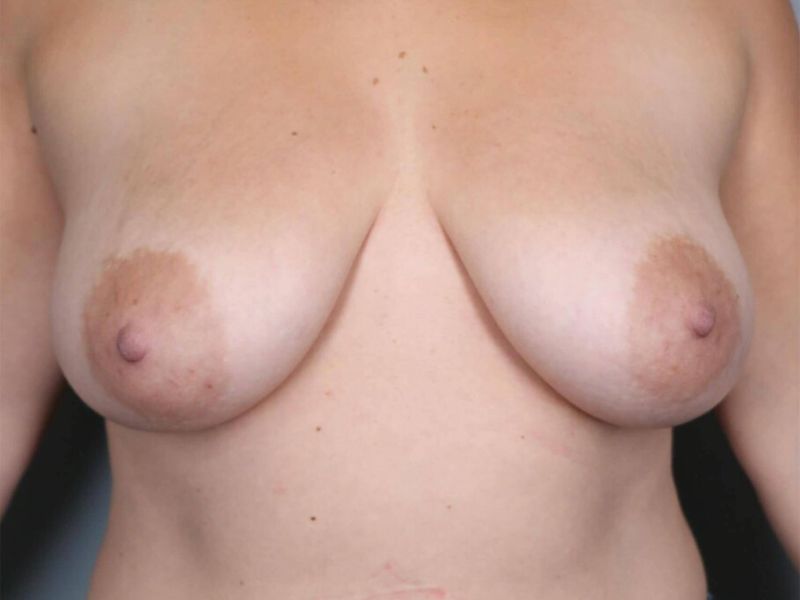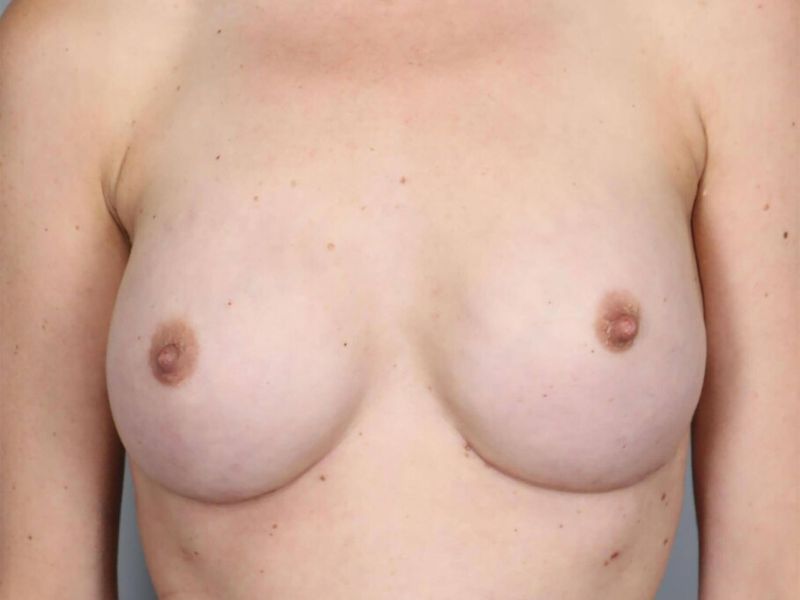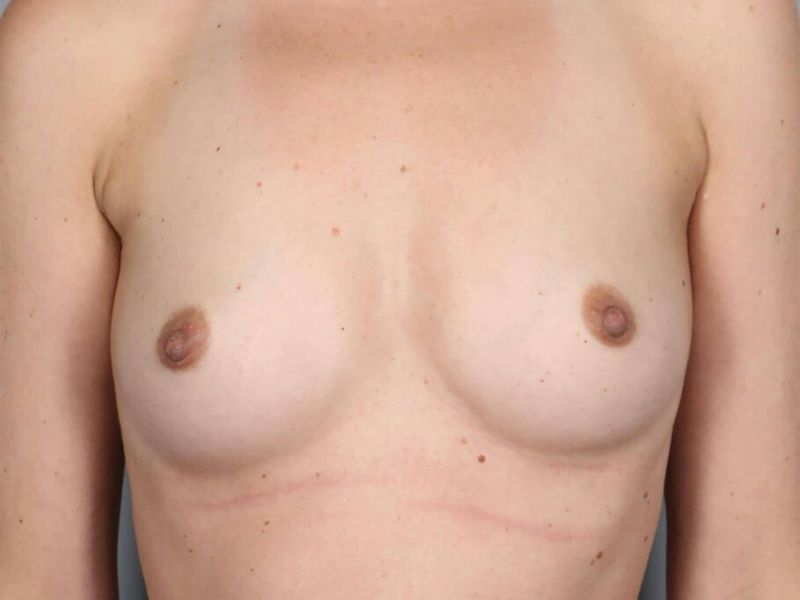
Case #1287 · Manhattan Beach, CA
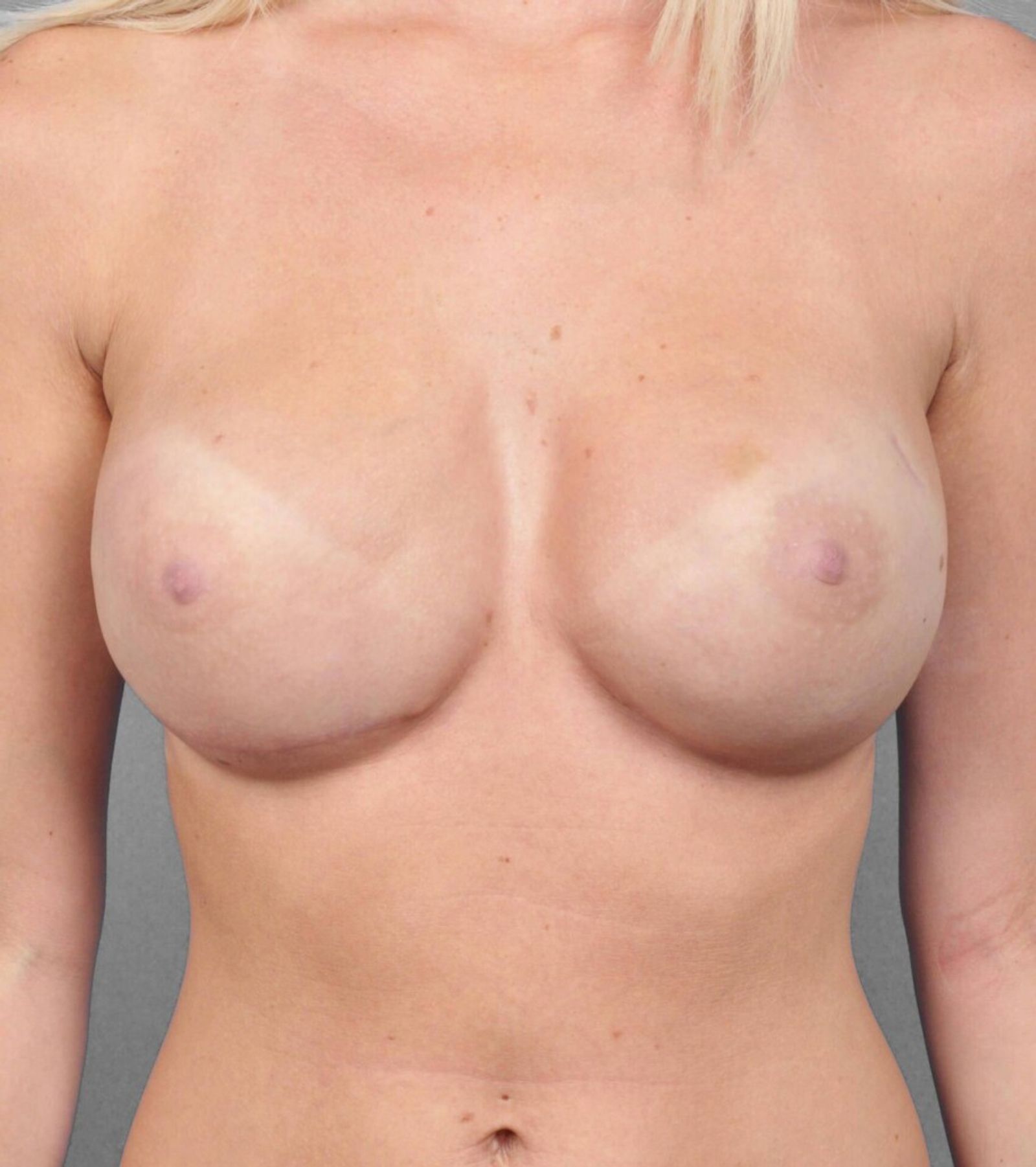
Direct-to-Implant Reconstruction
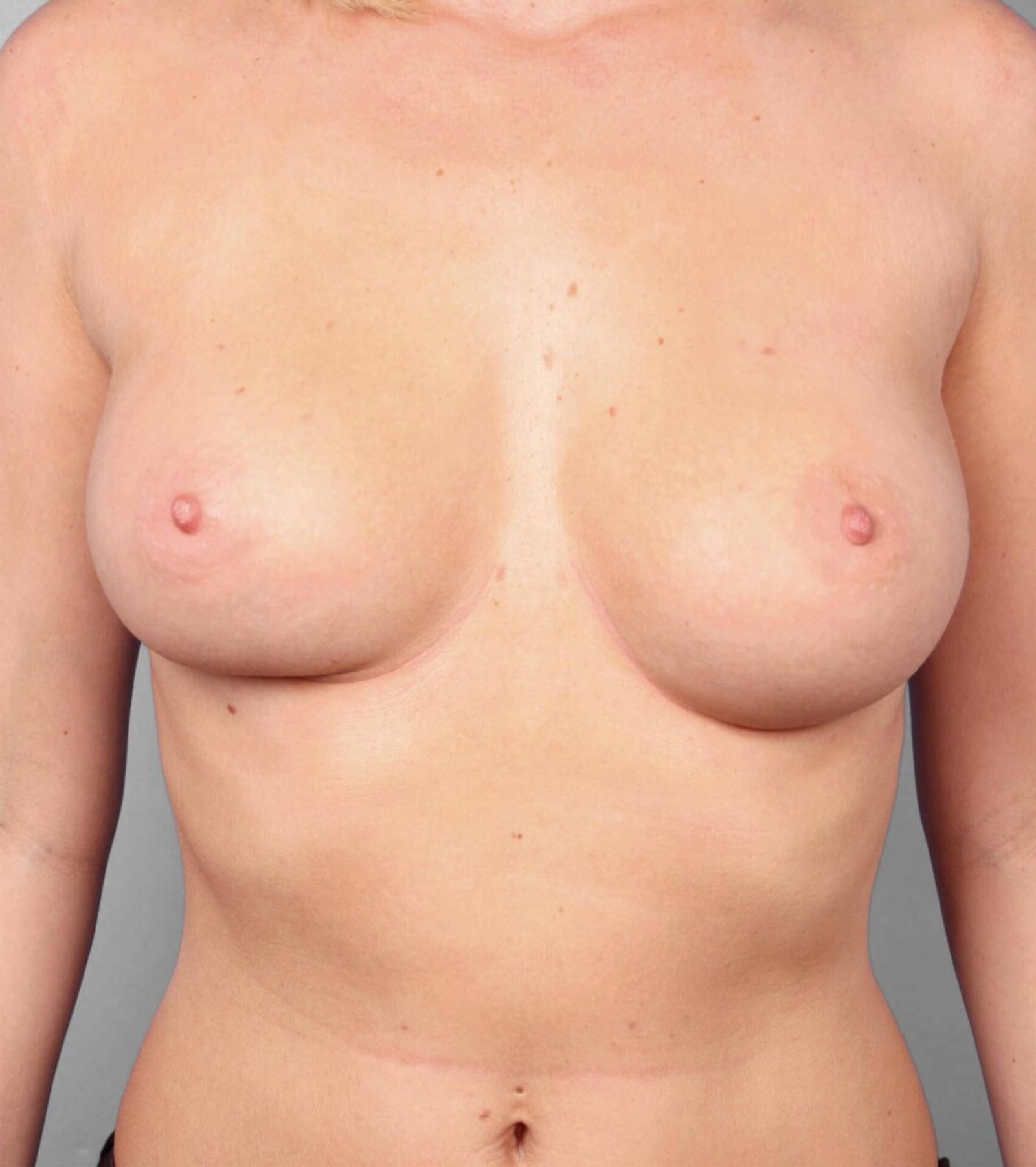
Drag the handle to compare. Click anywhere to jump.
Additional views
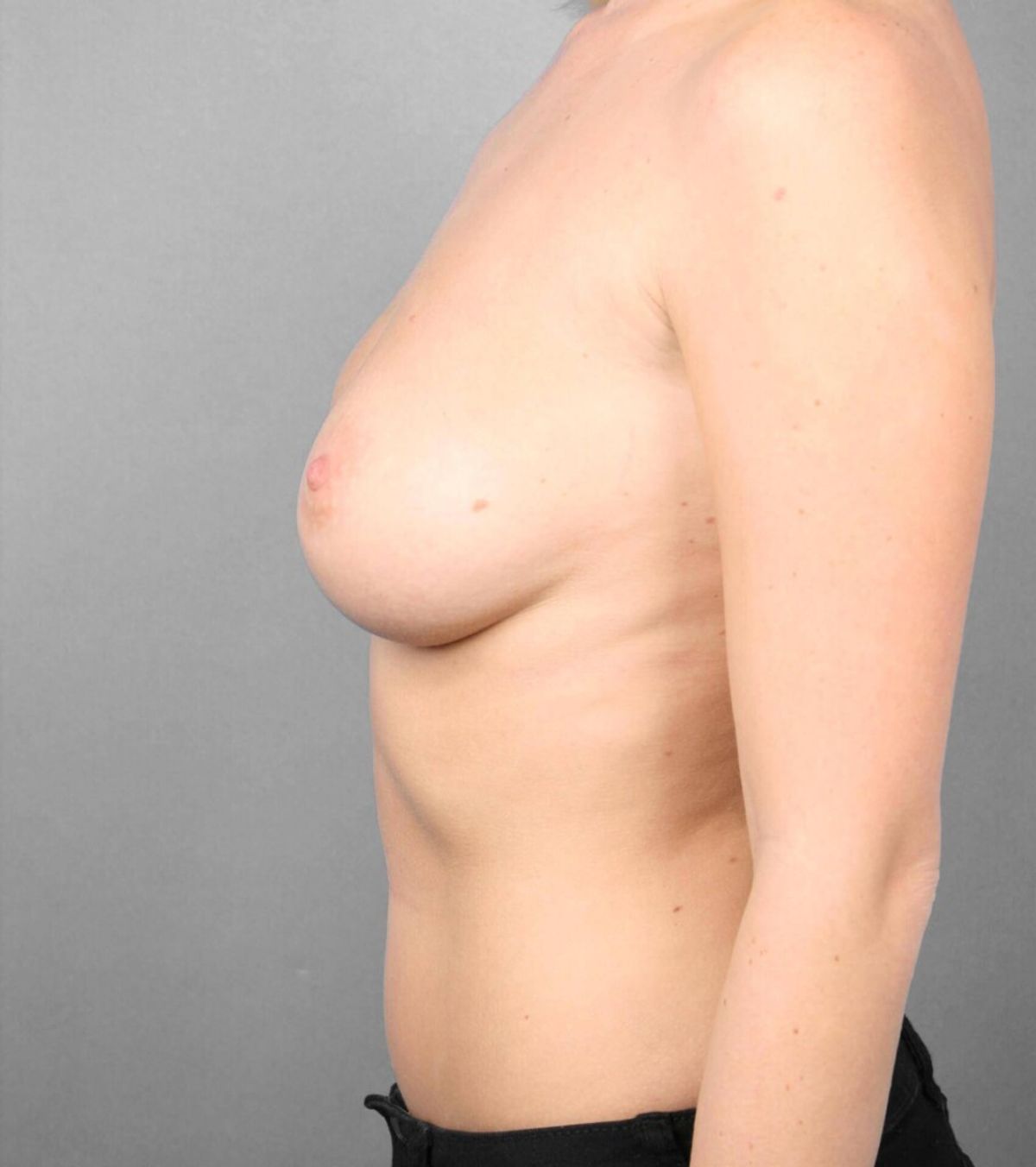

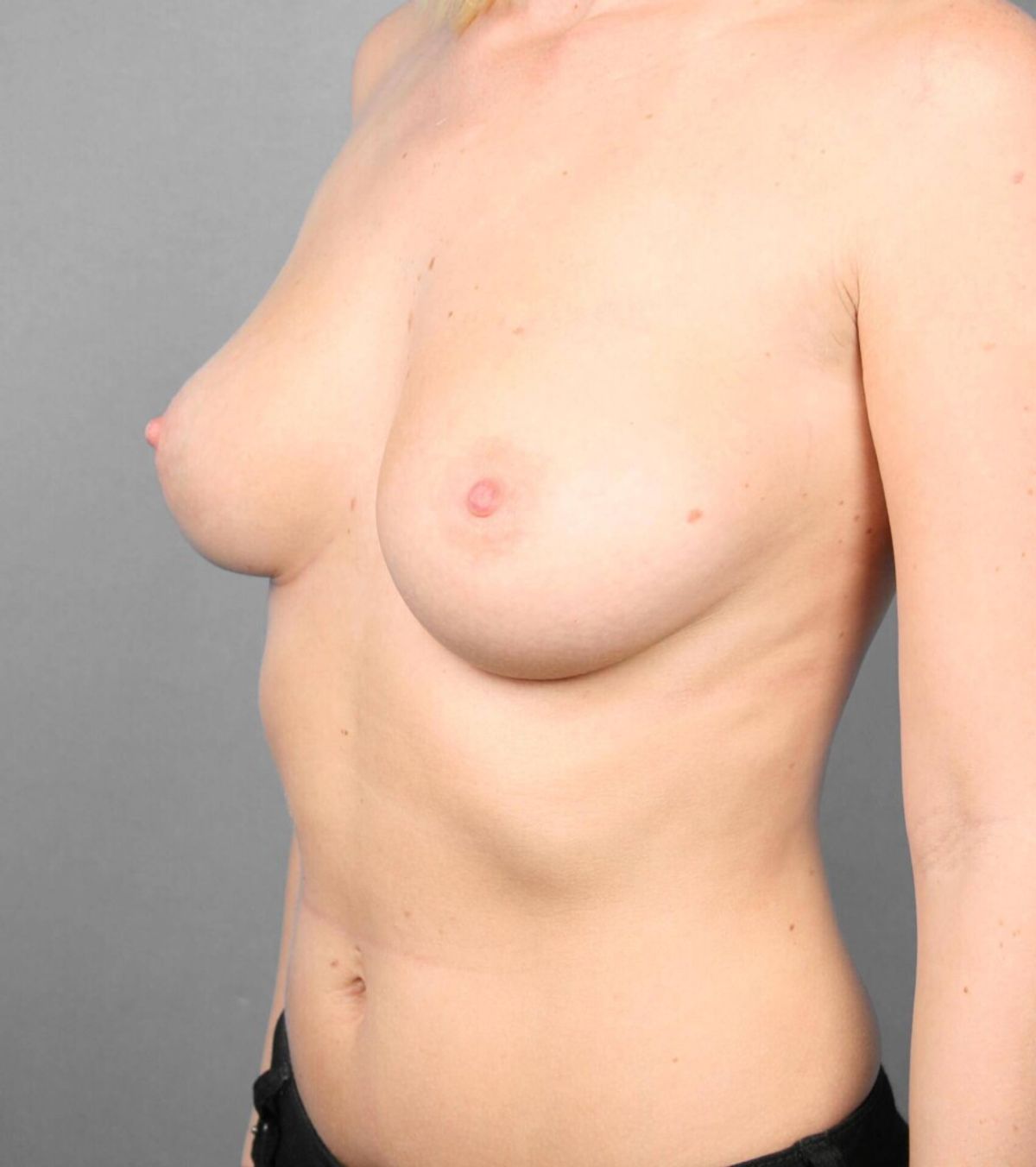
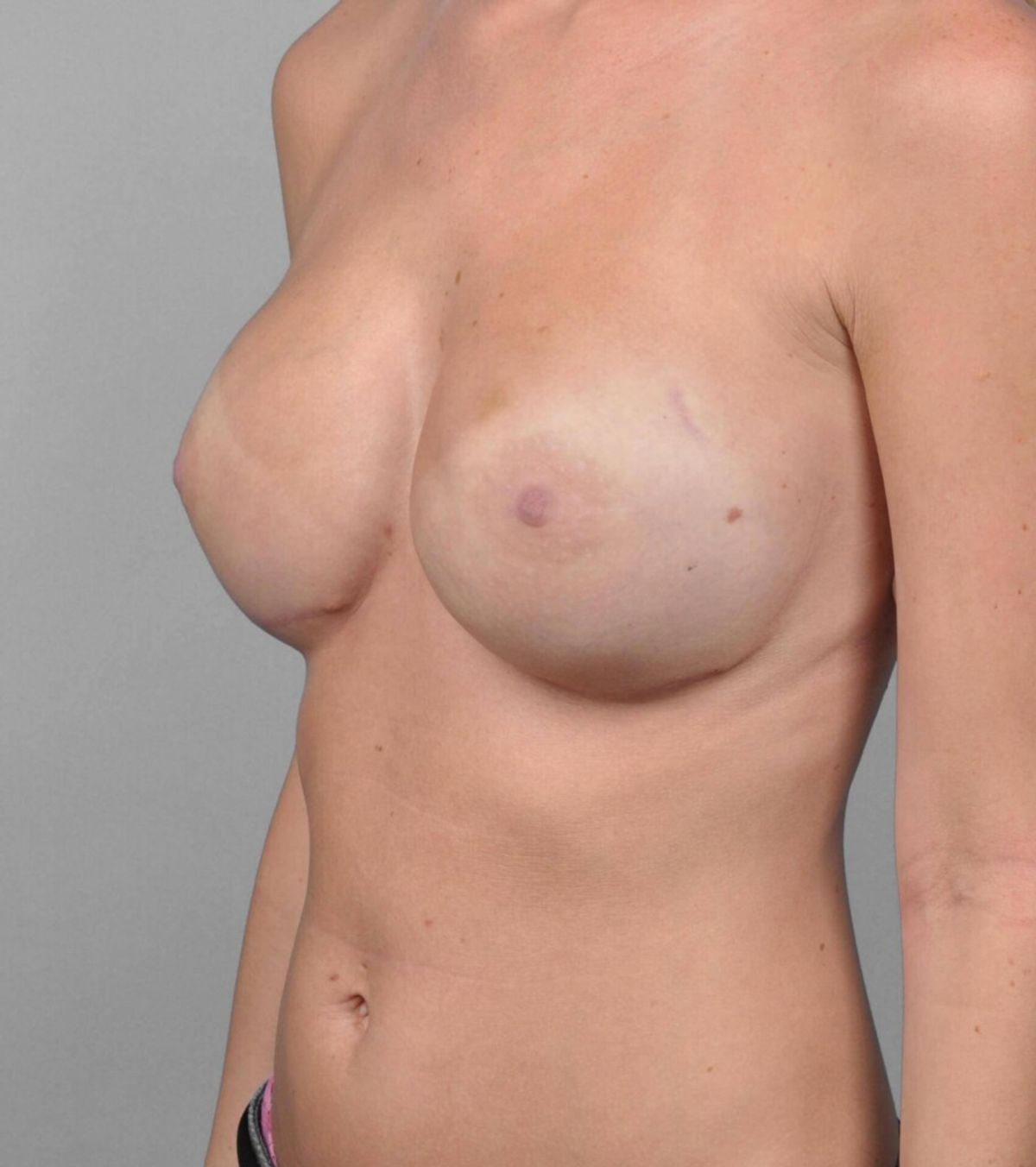
This 28-year-old patient from Manhattan Beach, CA was diagnosed with breast cancer. She opted to have bilateral nipple-sparing mastectomy with Dr. Cassileth One-Stage Breast Reconstruction. She is elated with how beautiful her breasts look and thankful to only have to undergo one
Continued care
Recommended aftercare, skincare, and MedSpa services for Direct-to-Implant Reconstruction.
- Lymphatic drainage massage starting week 2
- Compression garment for 4–6 weeks
- Scar management protocol at 3 weeks
- Hyperbaric oxygen therapy to raise tissue oxygen and support skin and incision healing, particularly with prior radiation or a compromised blood supply
- SkinCeuticals C E Ferulic for scar healing
- Medical-grade silicone sheeting
- SPF 50+ on incision sites
- Laser or microneedling for scar refinement after 3 months
- LED light therapy to accelerate healing
- Indiba radiofrequency for tissue recovery
- Aftercare
Hyperbaric oxygen series extended to 10–15 sessions for bilateral tissue support.
Bilateral procedures heal more reliably with sustained HBOT.
- Coordination
Long-term surveillance imaging stays on the oncology pathway; our team coordinates timing with theirs.
Post-mastectomy patients stay on a long-term surveillance pathway.
- Aftercare
Lymphatic drainage prioritized at week 1 to limit post-axillary swelling.
Lymphatic disruption from axillary work makes early drainage more valuable.
- Skincare
Aggressive sun protection on incision lines through the first 12 months.
Younger skin pigments scars more reliably under sun exposure.
Why this approach
The decisions that shaped this surgical plan.
- Approach driven by the oncologic priority first: incisions and tissue handling chosen to give the oncology team the access they need, then to set up the cleanest reconstructive canvas.
- Bilateral approach chosen to keep the planning, the tissue response, and the aesthetic outcome consistent between sides.
Pre-op preparation
What to do before surgery. Specific to this case.
- Discontinue blood thinners (NSAIDs, aspirin, fish oil, vitamin E) two weeks out. Acetaminophen remains safe; the full list is reviewed at pre-op.
- No nicotine for 6 weeks before through 6 weeks after surgery. The vascular impact directly affects skin healing.
- Arrange button-front or zip-front tops for the first three weeks, overhead reaching is restricted. A drain holder or apron is provided.
- A driver is required the day of surgery and a responsible adult should stay with you the first 24 hours.
- Surgical date confirmed against oncology pathway. Imaging and pathology results are reconciled by the team at the pre-op visit.
Recovery timeline
Milestones specific to this case. Individual recovery varies.
- Day 1–7
First week prioritizes drain care, walking short distances, and avoiding any overhead reaching. Multi-modal pain control keeps narcotic use brief.
- Week 2
Walking distance doubles. Showering rules relax. Compression garments transition to the long-wear schedule.
- Week 4
Return to most low-impact activity. Scar massage, compression, and skincare protocols pick up.
- Week 6
Most physical restrictions lift. Return to strength training, full-impact cardio, and overhead lifting.
- Month 3
Coordinated oncology and surgical check-in. Reconstruction shape and feel begin to mature.
- Month 6
Mature result. Patients commonly schedule the final phase of staged reconstruction here.
“Reconstructing the breasts at the same time as mastectomy eliminates the risks of multiple surgeries and, more importantly, helps minimize the sense of loss.”
Dr. Lisa Cassileth