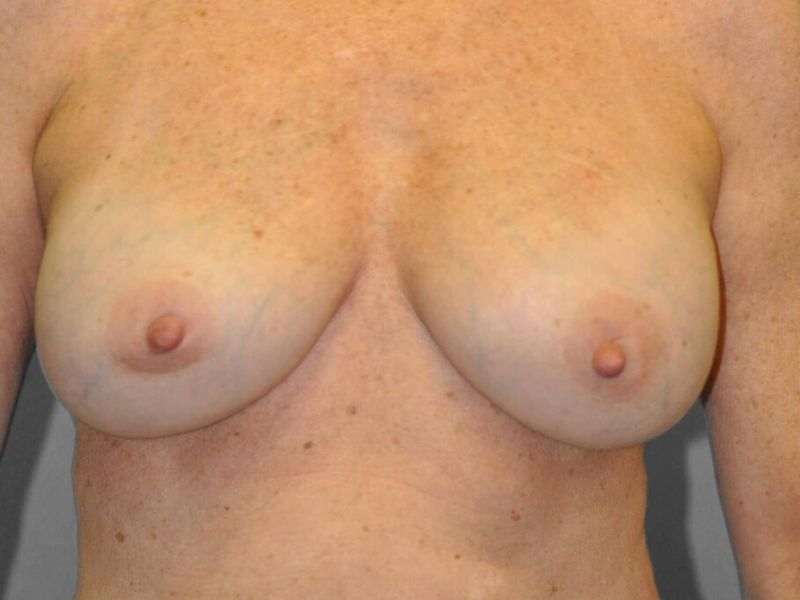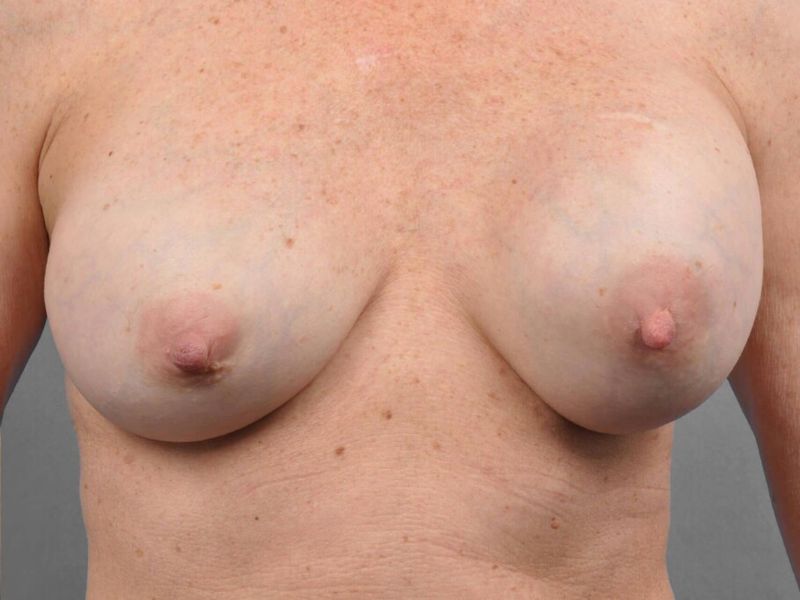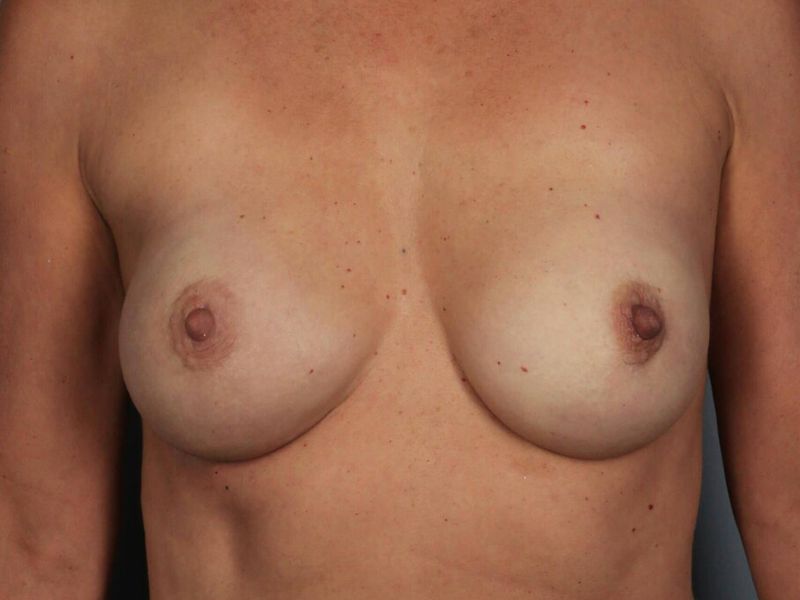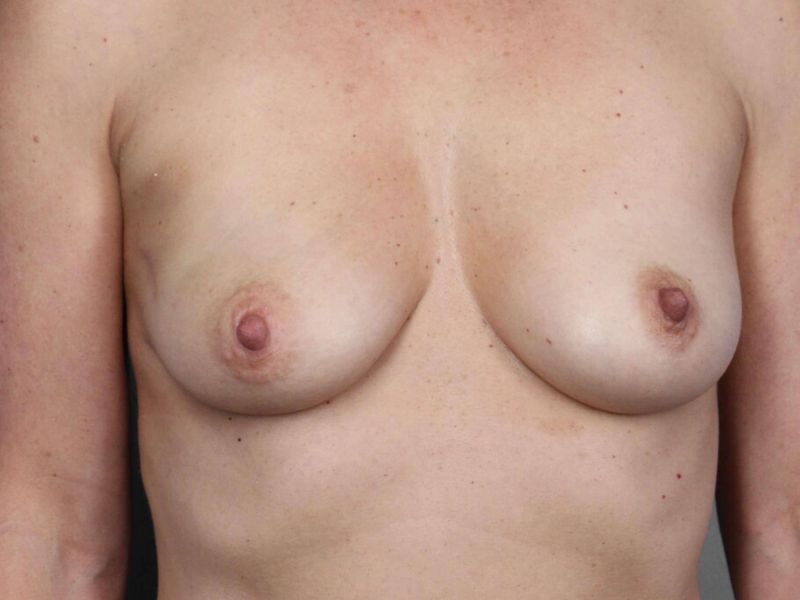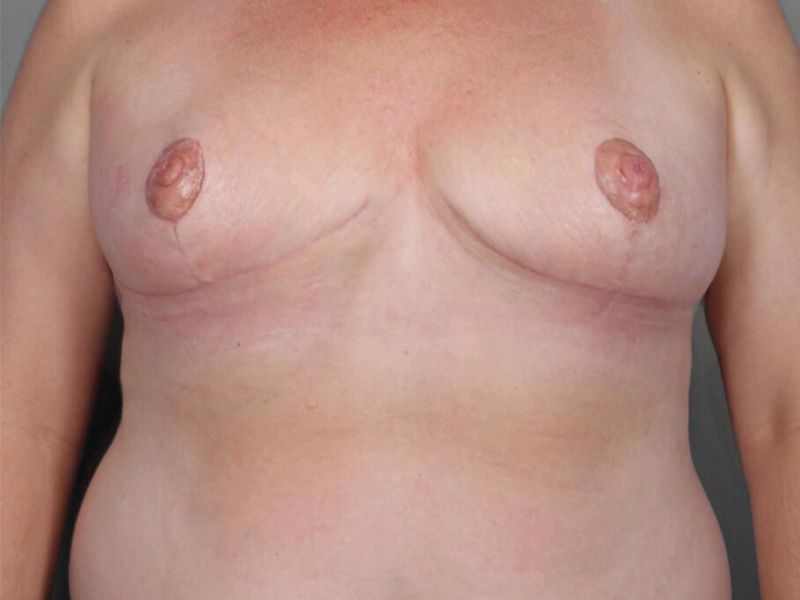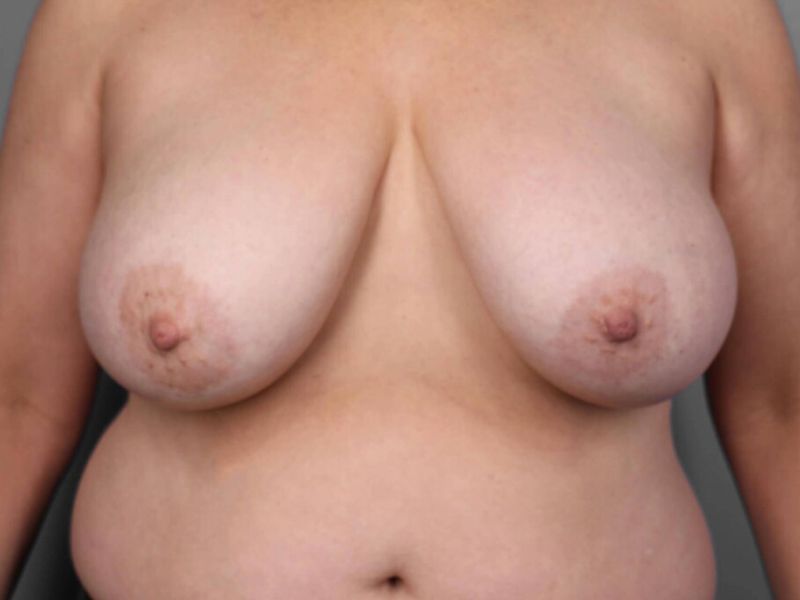
Case #1477 · Sherman Oaks, CA
Capsular Contracture Treatment
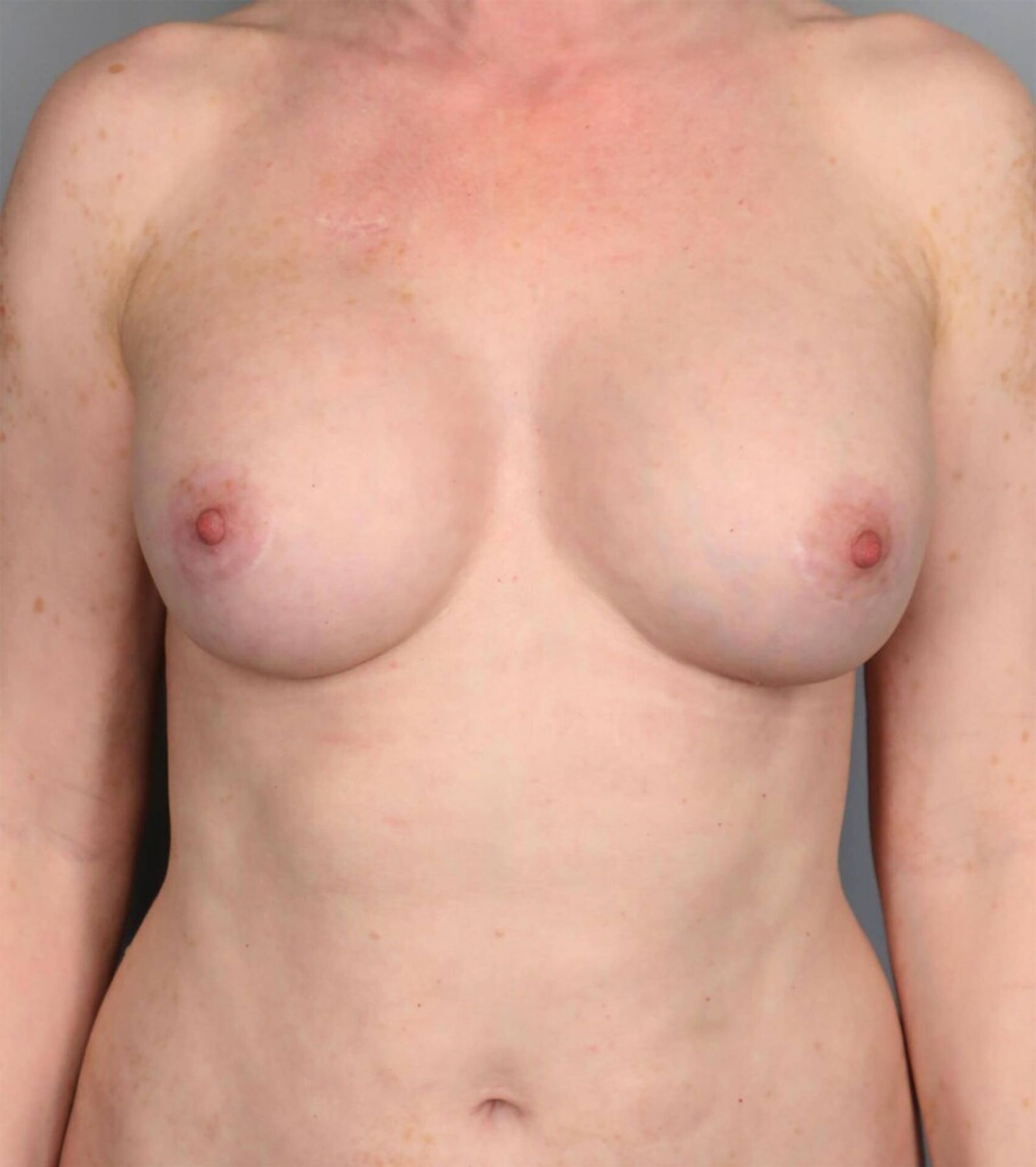
Drag the handle to compare. Click anywhere to jump.
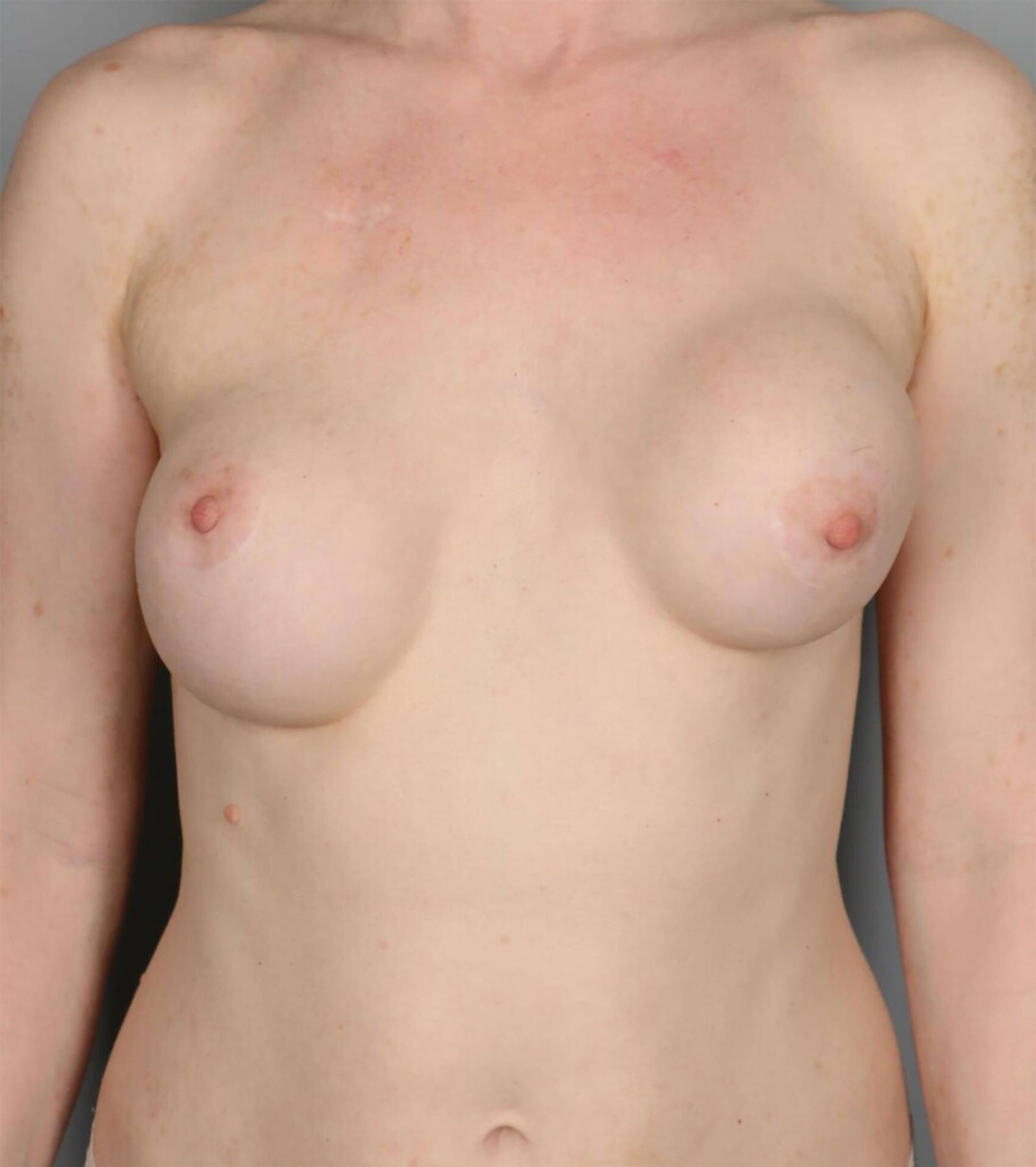
Additional views
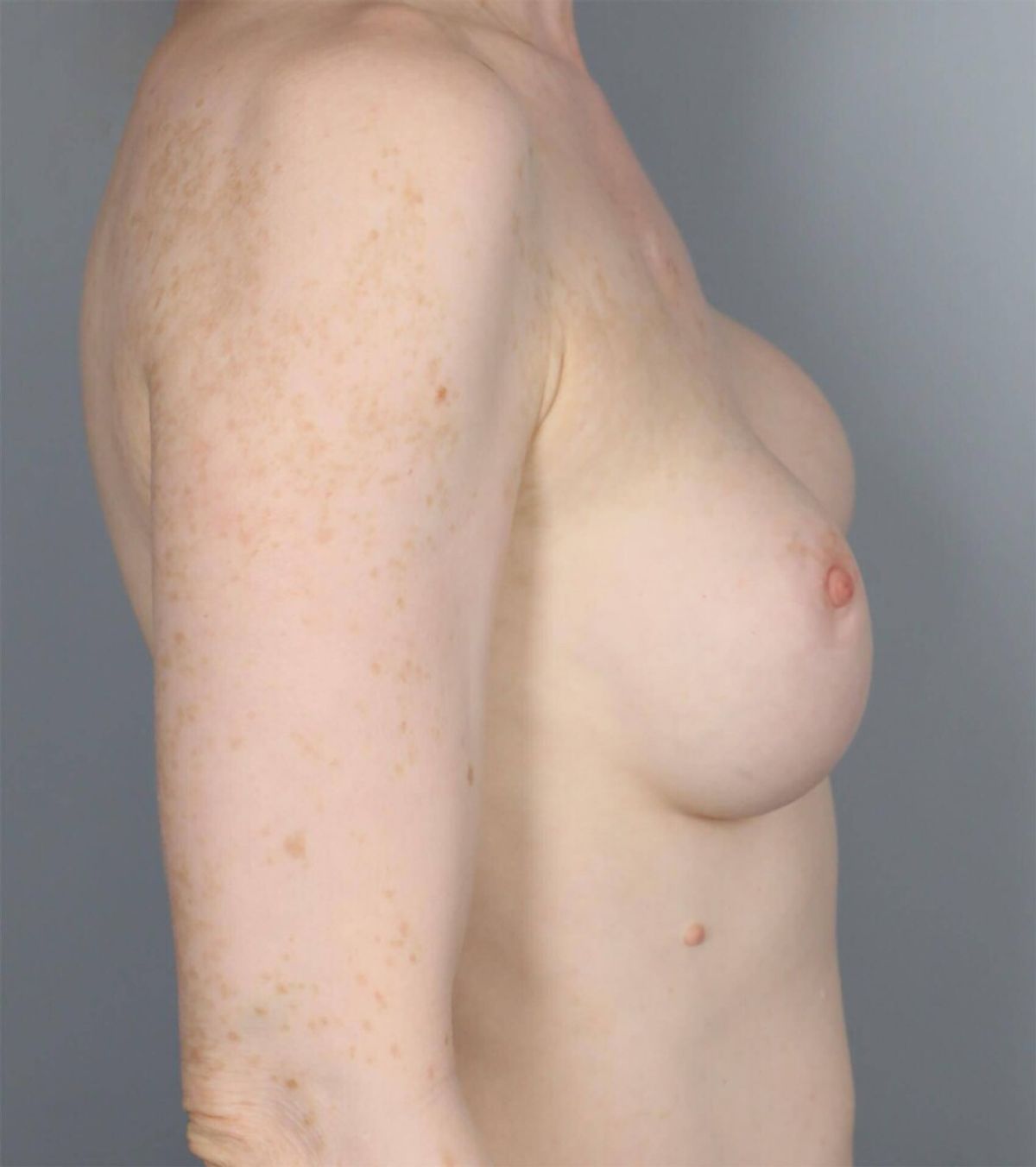
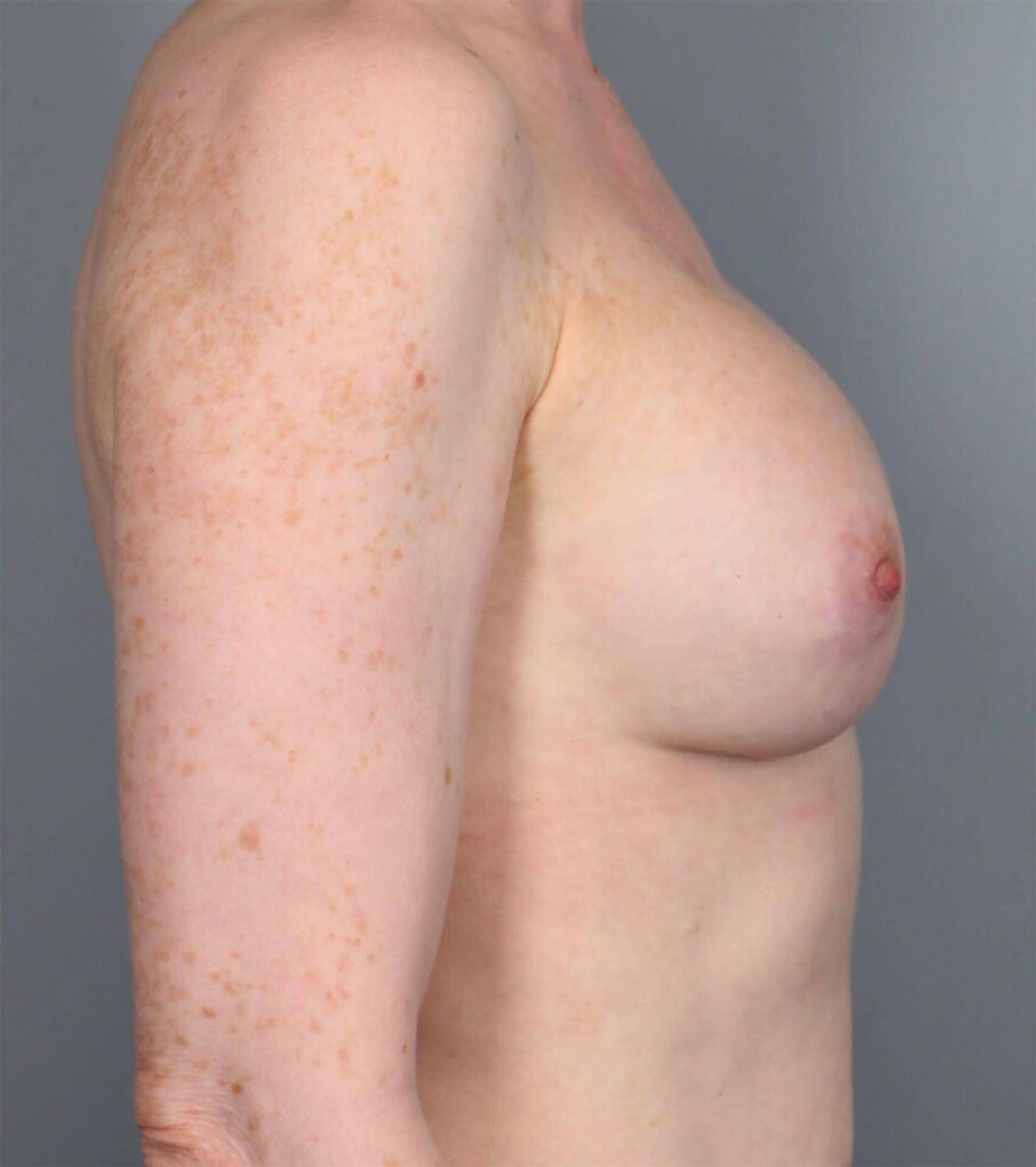
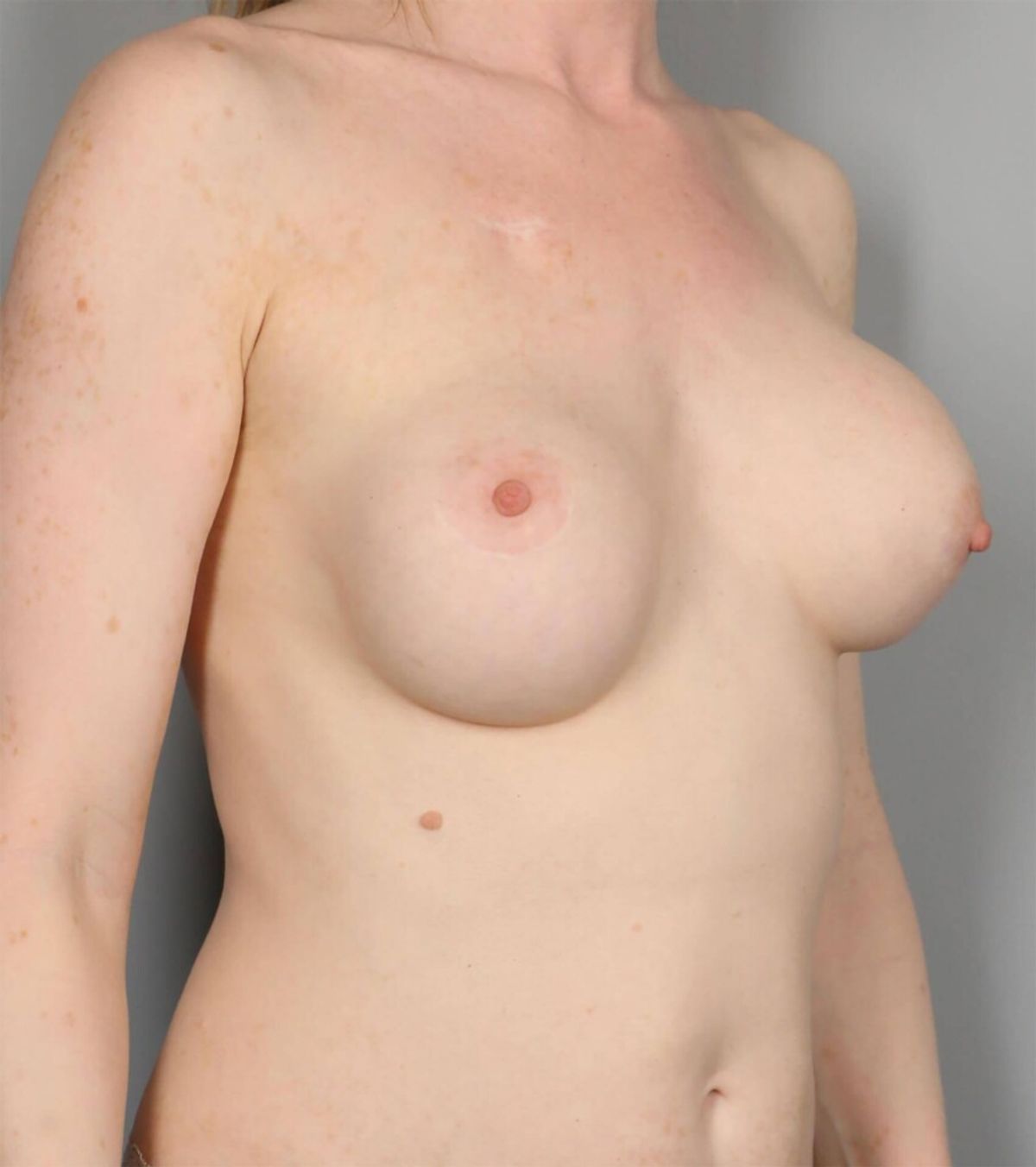
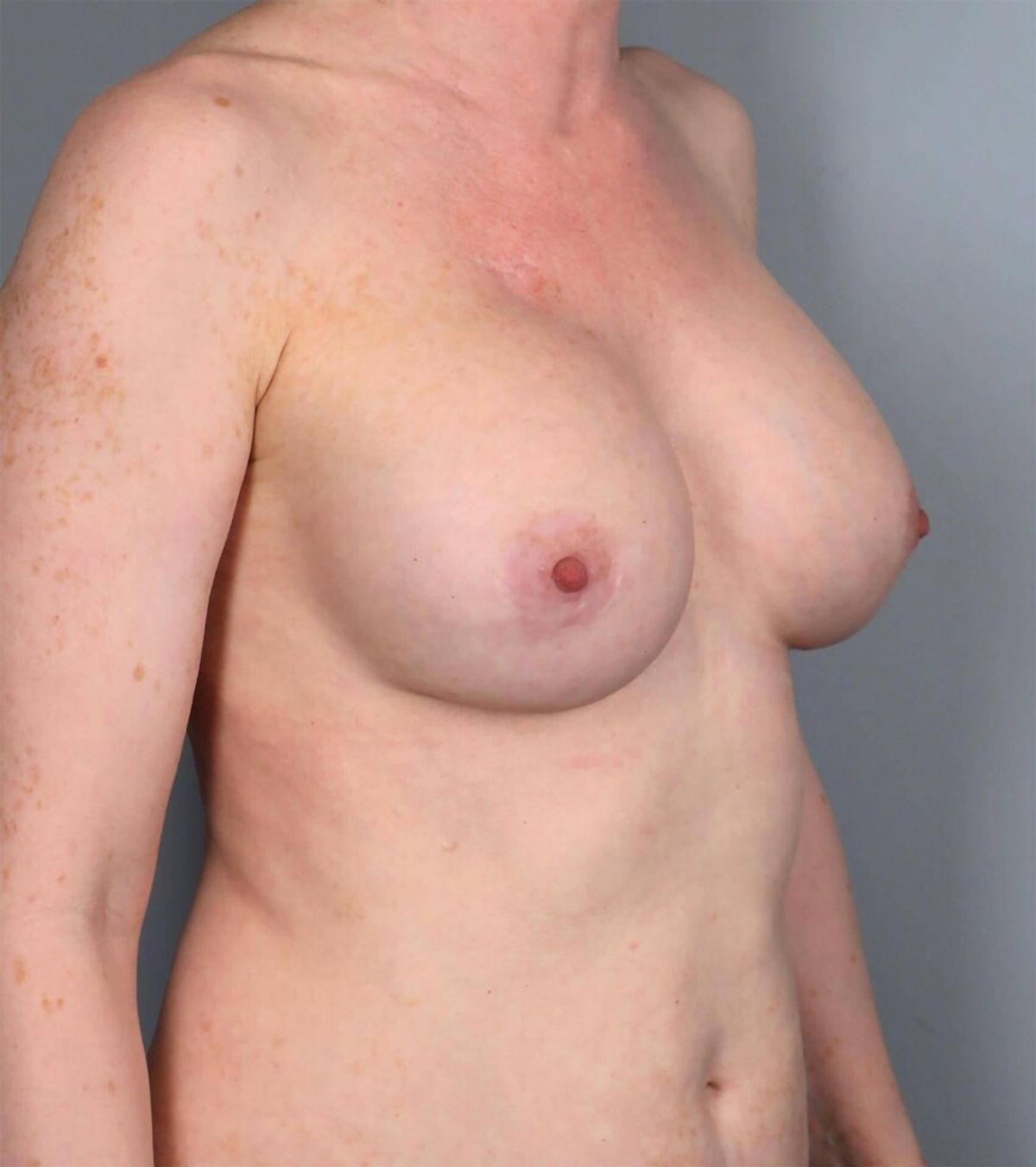
This patient initially had saline implants placed nearly 20 years ago. She experienced grade 4 capsular contracture in her left breast, while her right implant had bottomed out.
Continued care
Recommended aftercare, skincare, and MedSpa services for Capsular Contracture Treatment.
- Compression bra continuously for 6 weeks
- Drain removal typically days 5–7
- Scar management at 3 weeks; massage protocol depends on plane
- Hyperbaric Oxygen Therapy when recommended — supports tissue with reduced blood supply
- Medical-grade silicone sheeting on prior scar revision sites
- SkinCeuticals C E Ferulic for scar healing
- SPF 50+ on incisions for 12 months
- Indiba radiofrequency for tissue recovery after capsulectomy
- Laser or microneedling for scar refinement after 3 months
- LED light therapy weekly
Why this approach
The decisions that shaped this surgical plan.
- Unilateral case, the contralateral side was reviewed pre-op for symmetry goals. The technique was selected to match the untreated side in volume, shape, and position.
Pre-op preparation
What to do before surgery. Specific to this case.
- Stop NSAIDs, aspirin, and high-dose fish oil two weeks before surgery; the surgical team provides a full medication list at the pre-op visit.
- Full nicotine cessation 6 weeks pre- and post-op. This includes vapes and nicotine replacement products; the constriction effect is the same.
- Front-closing clothing only for 3 weeks. Drain holders and supportive surgical bras are issued at discharge.
- A driver is required the day of surgery and a responsible adult should stay with you the first 24 hours.
Recovery timeline
Milestones specific to this case. Individual recovery varies.
- Day 1–7
Light activity, hydration, and elevation. Expect peak swelling between days 3 and 5, then a gradual easing through the end of the week.
- Week 2
Walking distance doubles. Showering rules relax. Compression garments transition to the long-wear schedule.
- Week 4
Most patients back to gym cardio at 50 percent intensity. Scar massage protocol begins. Driving restored if not already.
- Week 6
The "back to normal" week for most patients. Final compression schedule transitions to optional.
- Month 3
Tissue softens, scars begin to fade, and overall shape settles toward final. Scar maturation continues for another 6 months.
“Replacing the implant without addressing the capsule significantly increases recurrence. The capsulectomy is the operation; the implant exchange is the finish.”
Dr. Lisa Cassileth