Case #1363 · Newport Coast, California
Fat Grafting Breast Reconstruction
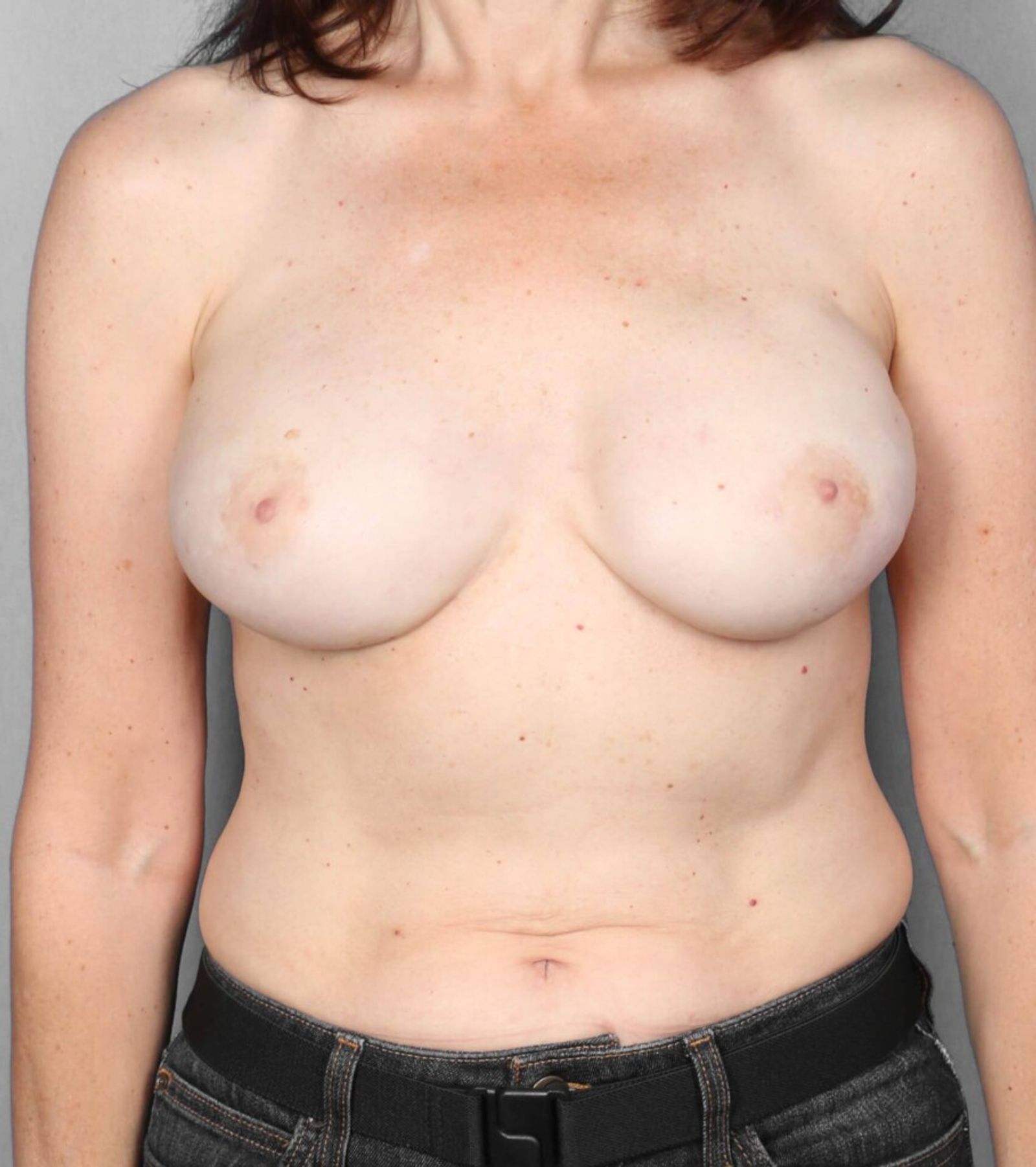
Drag the handle to compare. Click anywhere to jump.
Additional views
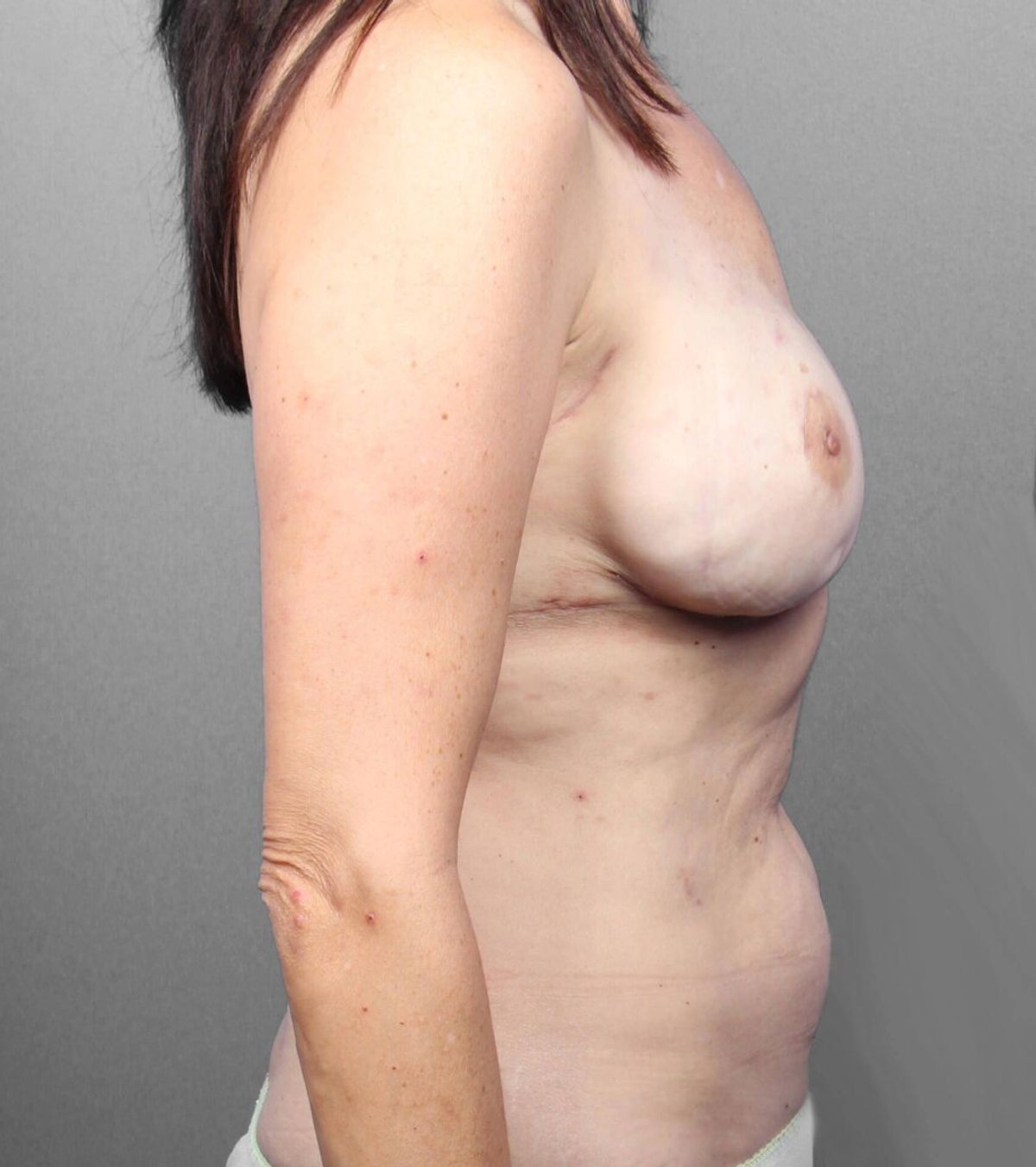
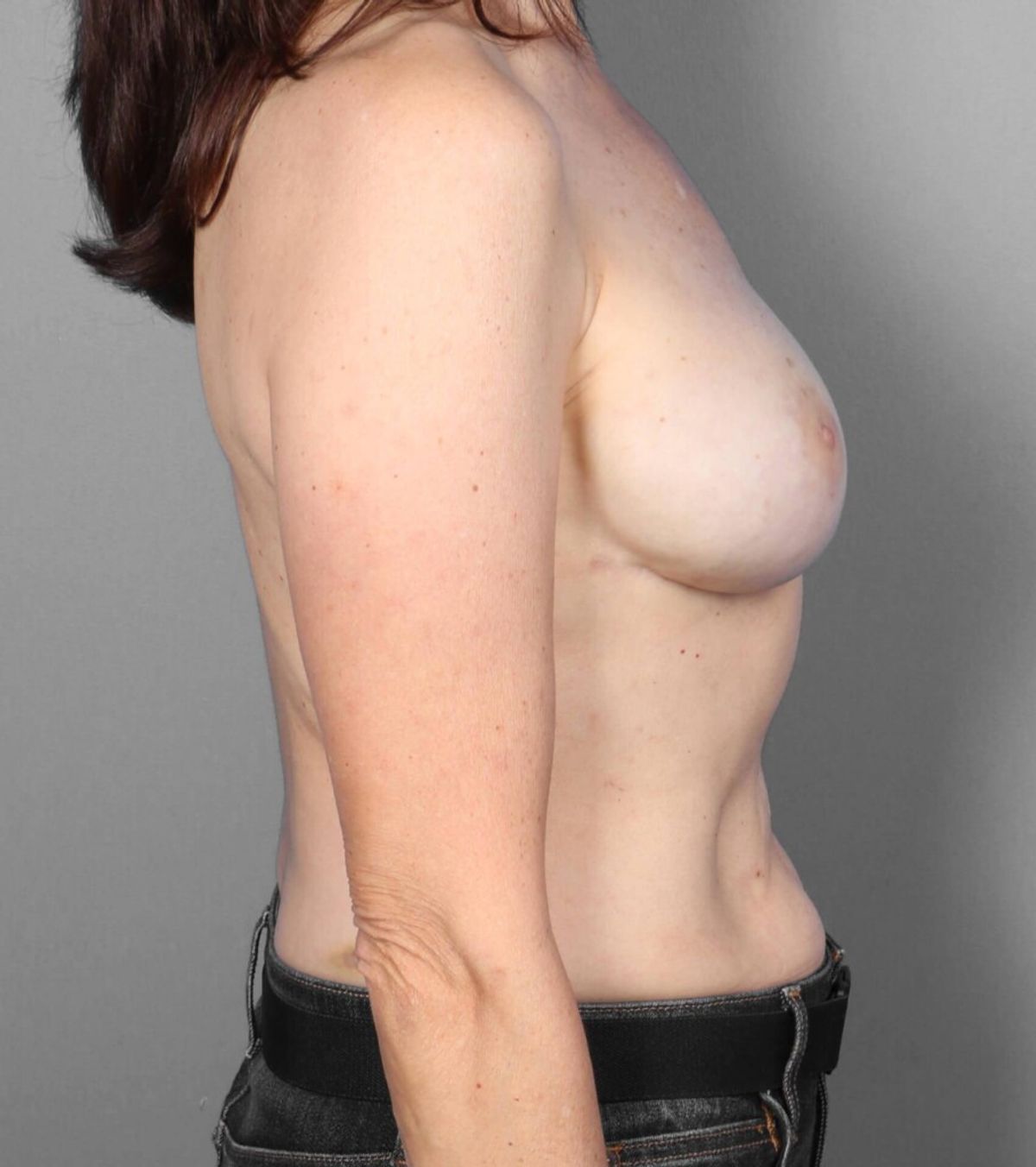
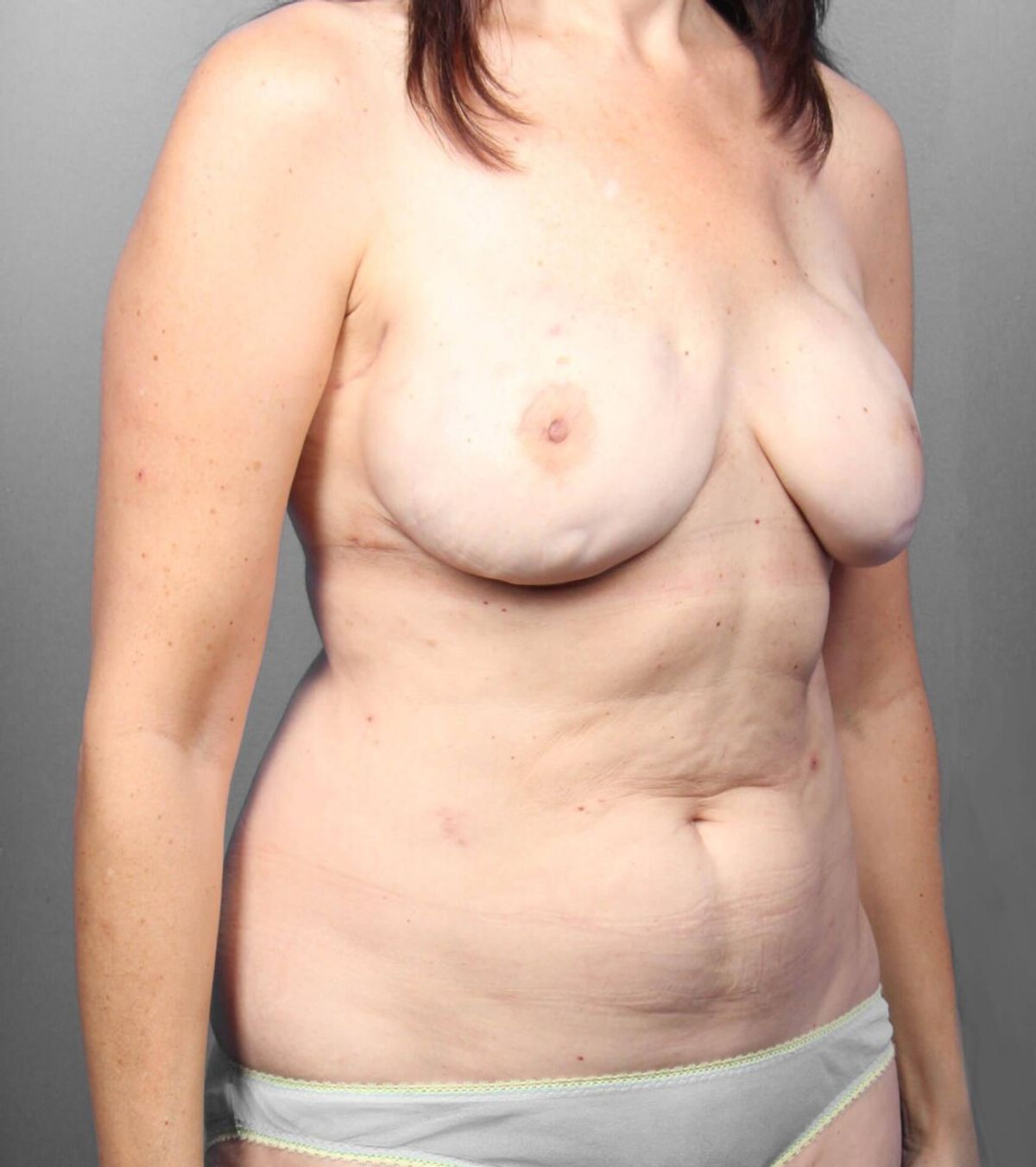
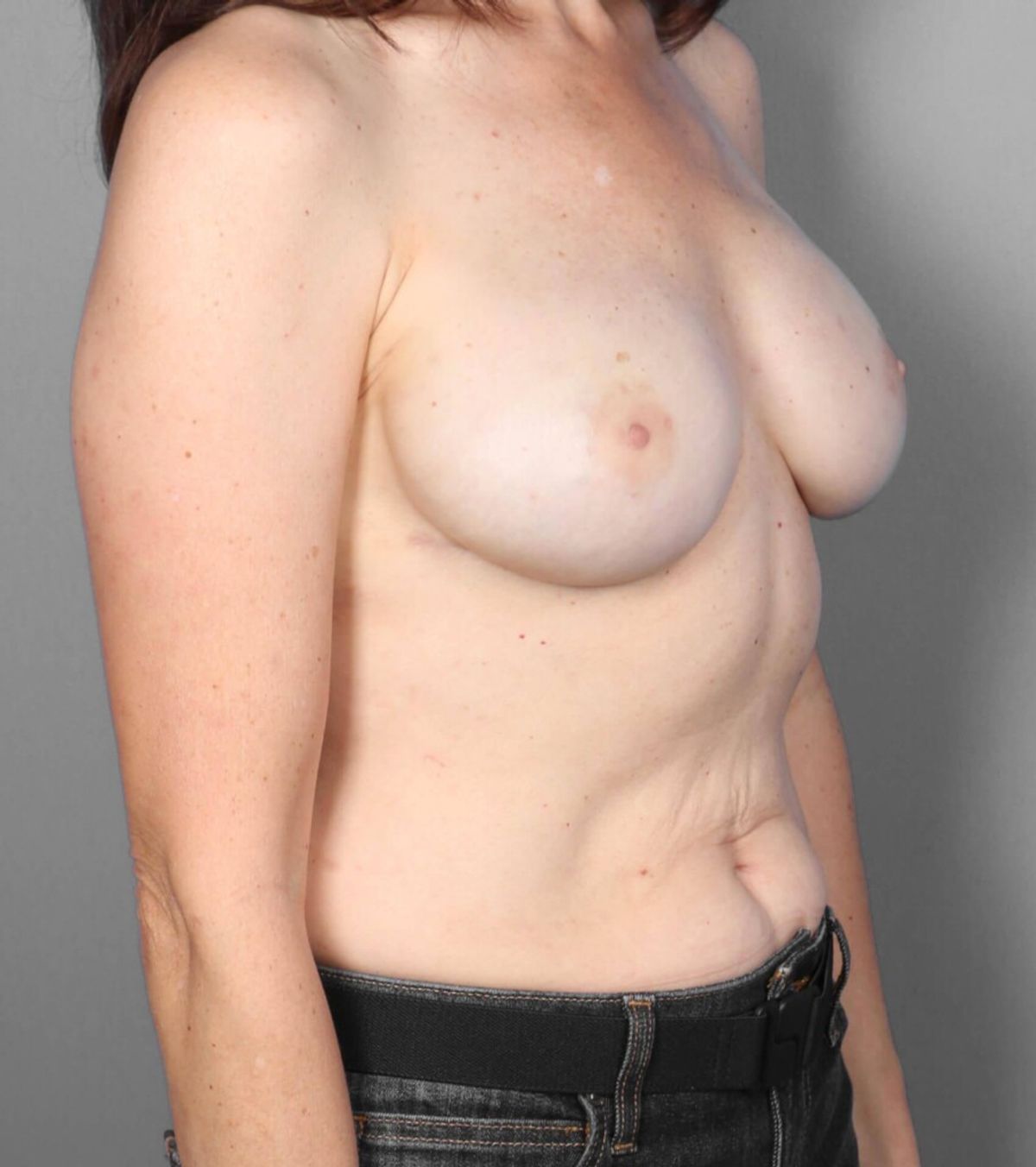
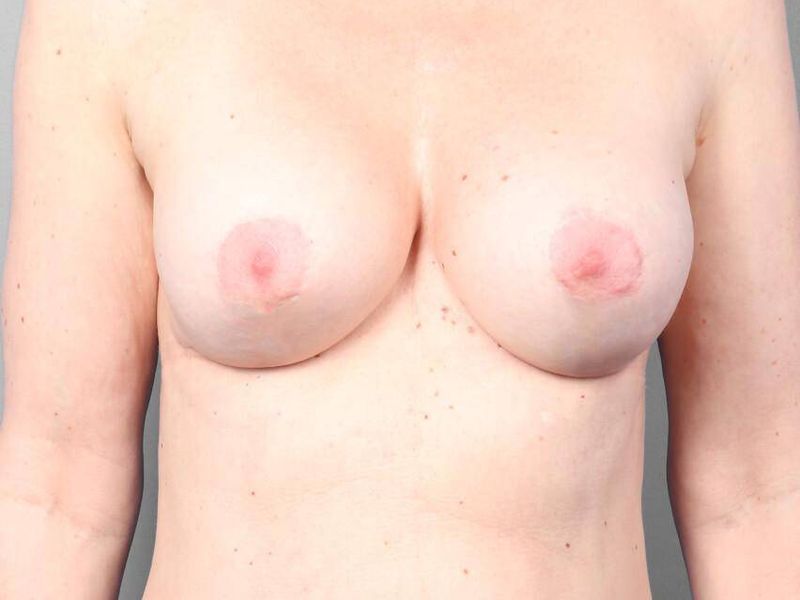
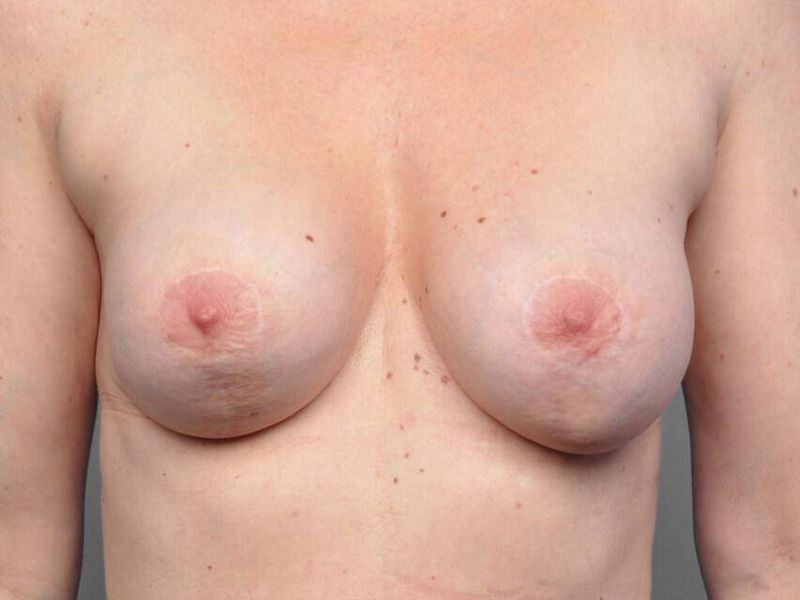
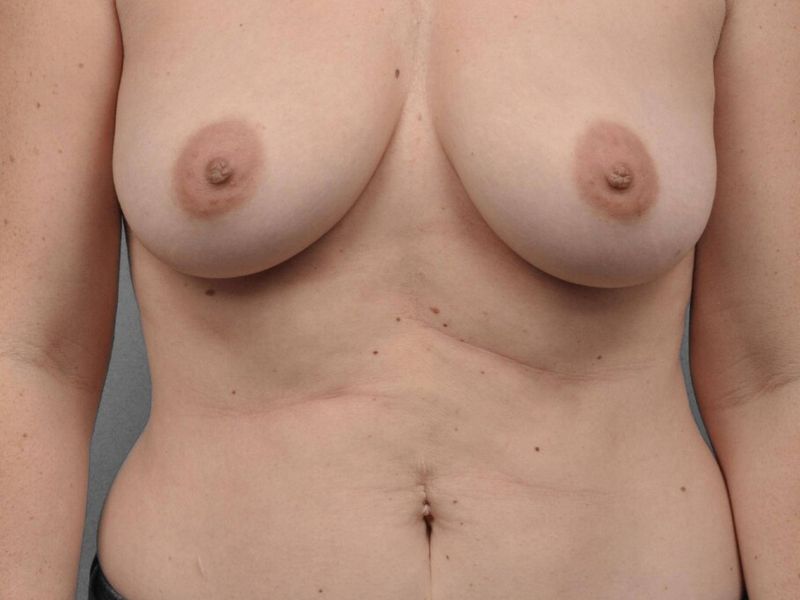
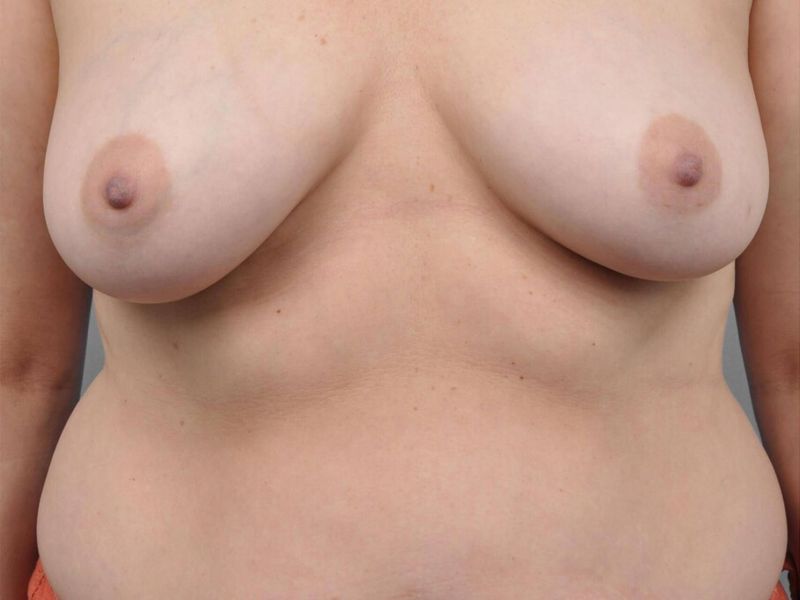
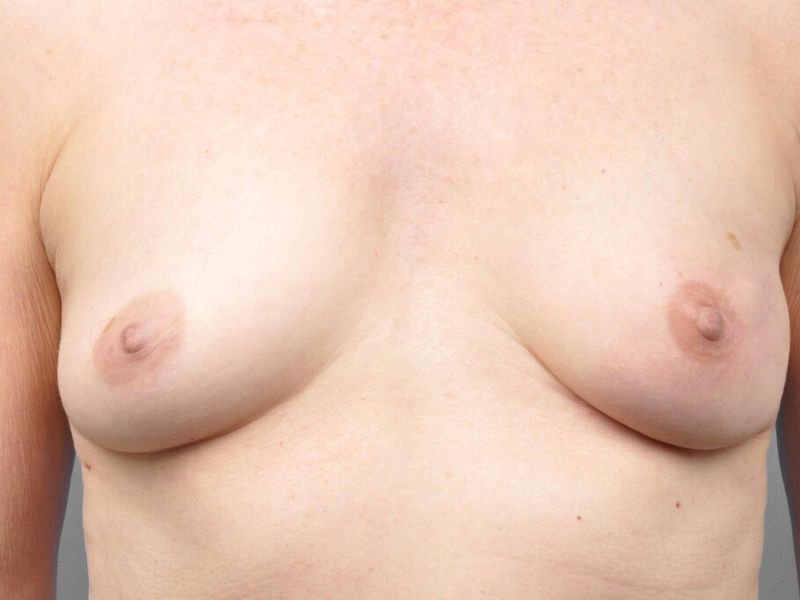
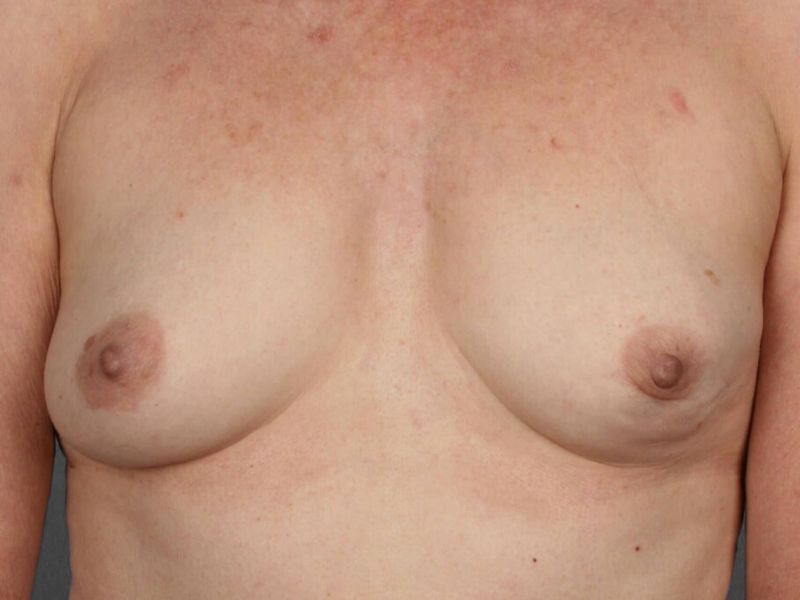
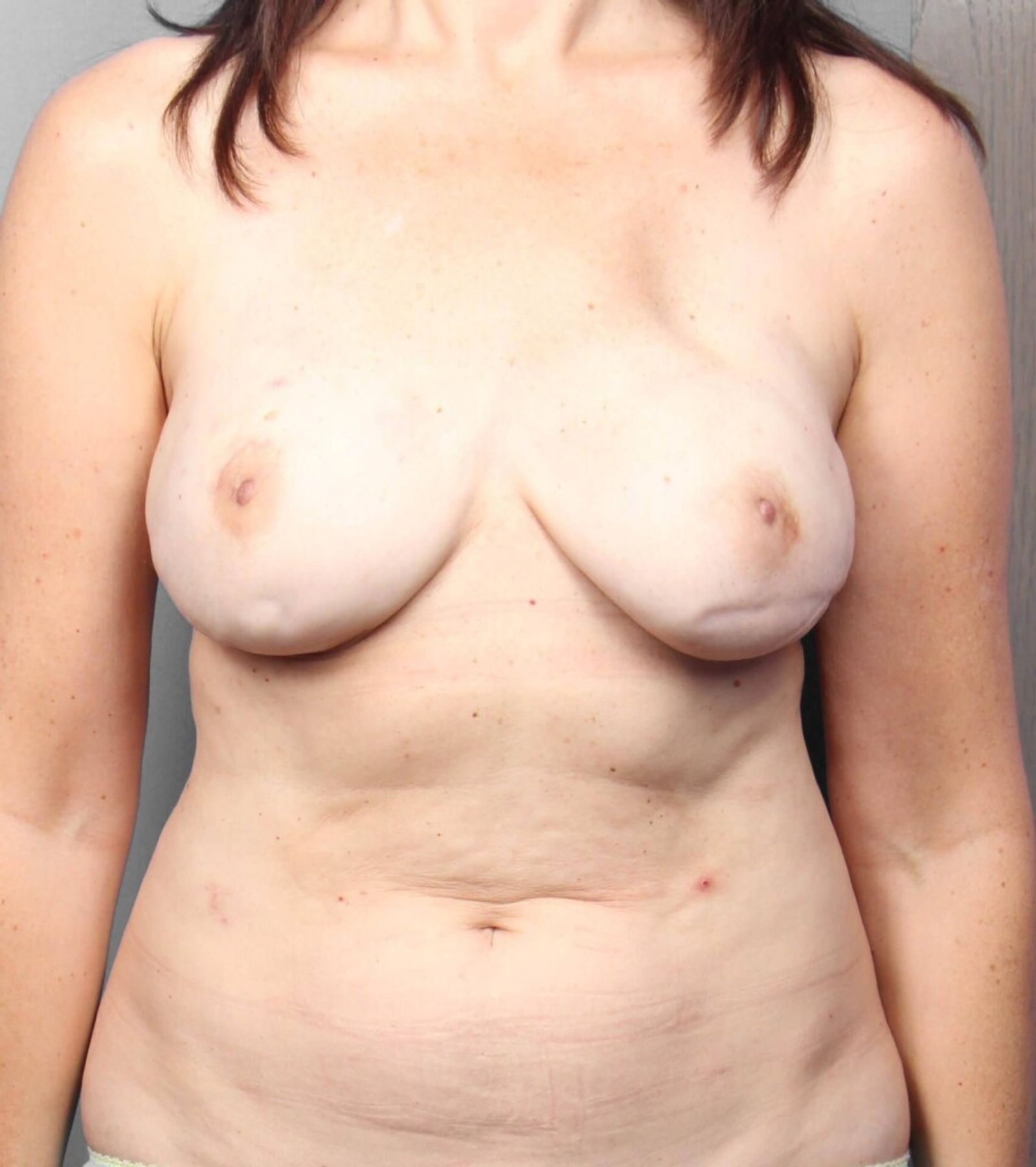
This 56-year-old patient from Newport Coast, California had a bilateral mastectomy and felt dissatisifed with the aesthetic result. She desired on the divots and saggy, rippling of her implants. Dr. Cassileth performed a removal and replacement of her breast implants followed by
Continued care
Recommended aftercare, skincare, and MedSpa services for Fat Grafting Breast Reconstruction.
- No pressure on the reconstructed breast for 3 weeks — graft survival depends on tissue contact preservation
- No bra with underwire for 6 weeks
- Walking encouraged; cardio at week 4
- Liposuction donor sites: compression garment for 4–6 weeks
- Hyperbaric Oxygen Therapy to support healing when recommended
- SkinCeuticals C E Ferulic on liposuction incision site scars
- Body hydration protocol on donor sites
- SPF 50+ on all scars for 12 months
- Hyperbaric oxygen therapy when recommended — supports graft survival
- Indiba radiofrequency on donor sites
- LED light therapy to reduce bruising
- Aftercare
Extended hyperbaric oxygen course (10–15 sessions) to support bilateral healing.
Bilateral procedures heal more reliably with sustained HBOT.
- Coordination
Long-term surveillance imaging stays on the oncology pathway; our team coordinates timing with theirs.
Post-mastectomy patients stay on a long-term surveillance pathway.
- Aftercare
Priority lymphatic drainage starting week 1.
Lymphatic disruption from axillary work makes early drainage more valuable.
Why this approach
The decisions that shaped this surgical plan.
- Reconstruction planned around the oncologic mastectomy, surgical timing, tissue preservation, and incision pattern were chosen to support both safe cancer clearance and long-term aesthetic outcome.
- Both sides treated in the same session, symmetric planning, identical tissue handling, and matched final contour are easier to achieve in one operative window than in two.
Pre-op preparation
What to do before surgery. Specific to this case.
- Aspirin, ibuprofen, vitamin E, and fish oil discontinued 14 days pre-op to reduce bruising risk. Acetaminophen is allowed.
- Nicotine in any form, cigarettes, vapes, patches, gum, paused six weeks before and six weeks after surgery. Nicotine narrows blood vessels and slows wound healing.
- No overhead clothing for 3 weeks. Stock front-zip tops, supportive sports bras (post-clearance), and the drain pouches we provide.
- Confirm a driver for surgery day and a companion who can stay through the first night.
- Surgical date confirmed against oncology pathway. Imaging and pathology results are reconciled by the team at the pre-op visit.
Recovery timeline
Milestones specific to this case. Individual recovery varies.
- Day 1–7
Drains in place, restricted lifting (nothing over 5 lb), and rest. Pain management is shifted off narcotics within the first 72 hours when possible.
- Week 2
Patients off prescription pain medication, walking 1–2 miles daily, and back to most light household activity.
- Week 4
Light cardio and most desk-work activities cleared. Lifting limit increases to 15 lb. Scar massage typically starts now.
- Week 6
Most physical restrictions lift. Return to strength training, full-impact cardio, and overhead lifting.
- Month 3
First major reconstruction assessment. Tissue softens, surveillance imaging if indicated coordinates here.
- Month 6
Final aesthetic emerges. Last-mile adjustments (fat grafting, nipple reconstruction) typically scheduled now.