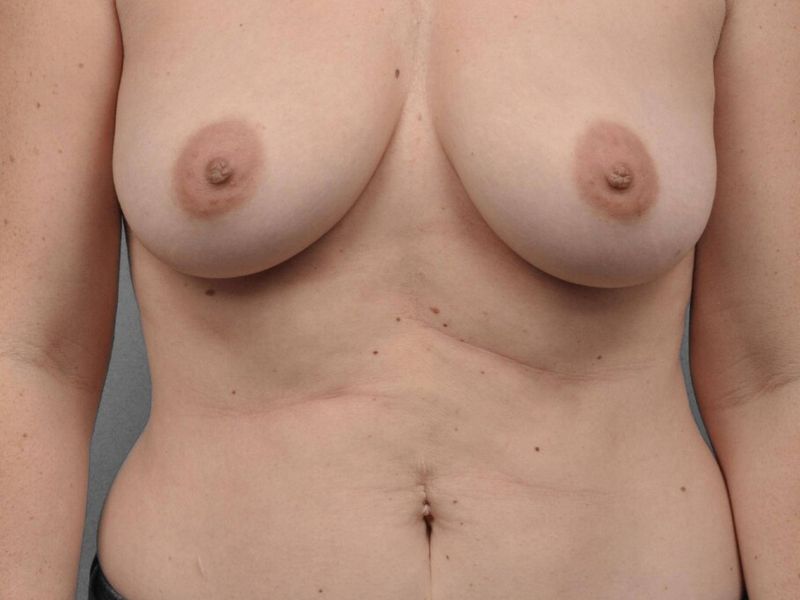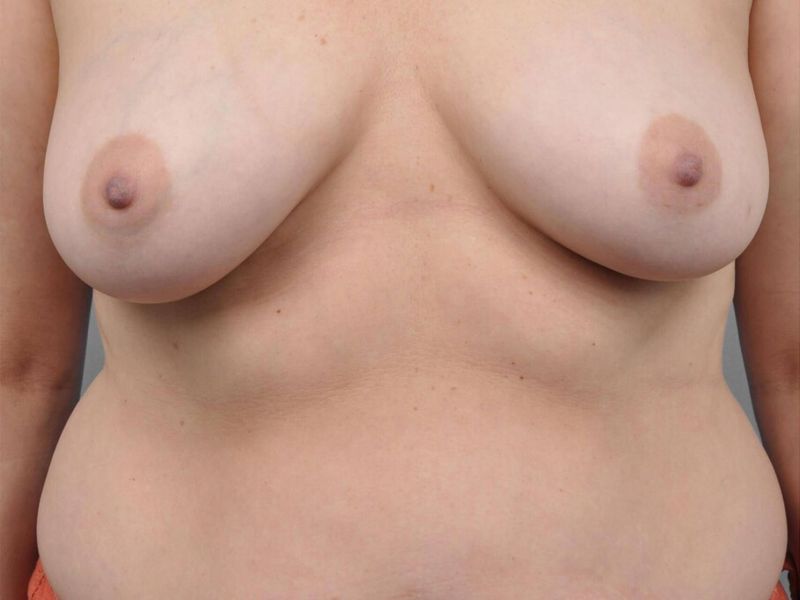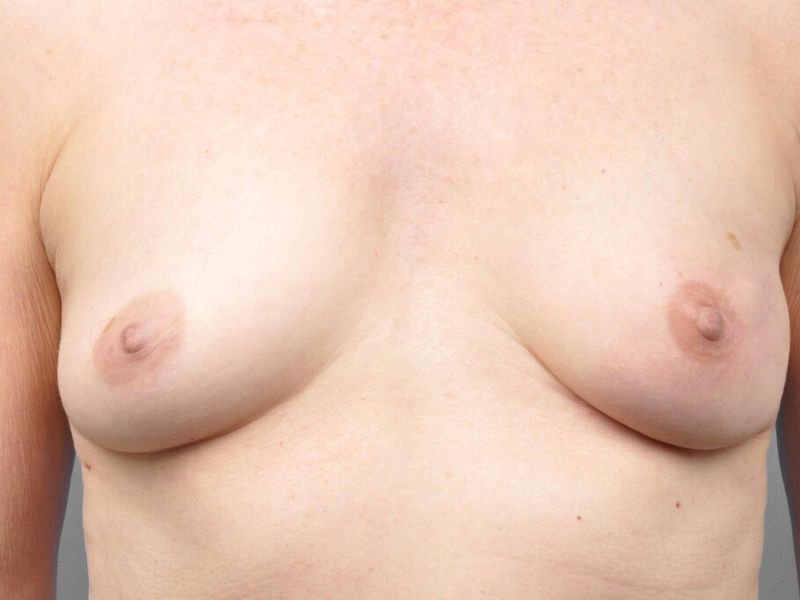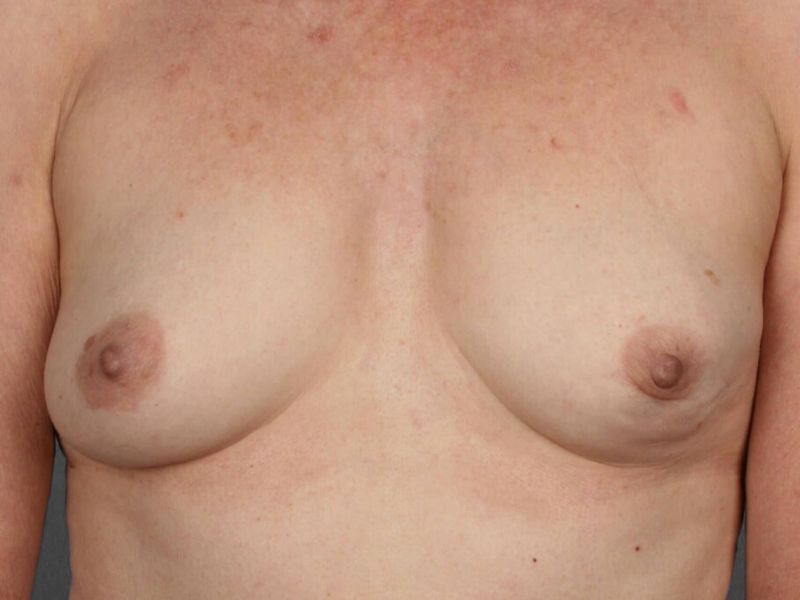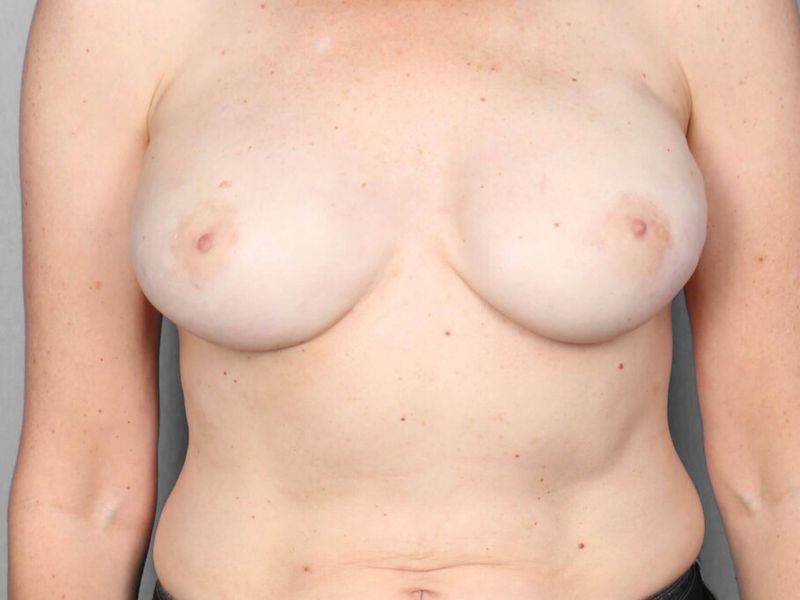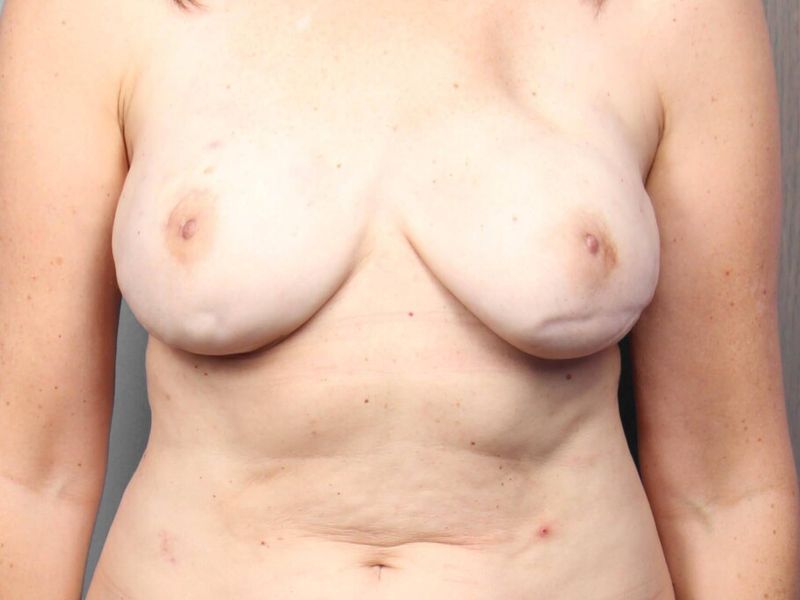
Case #1467 · Pasadena, California
Fat Grafting Breast Reconstruction
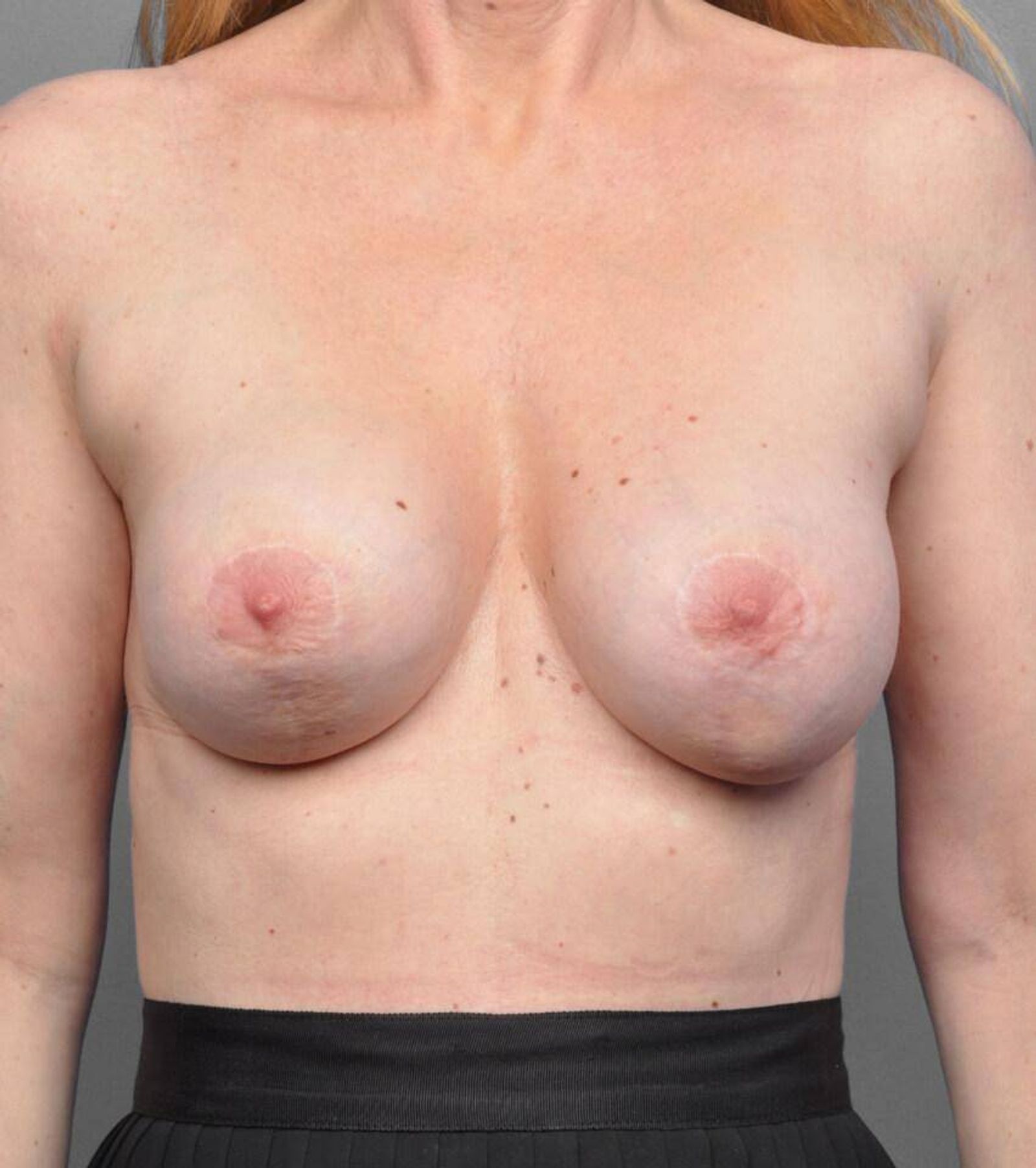
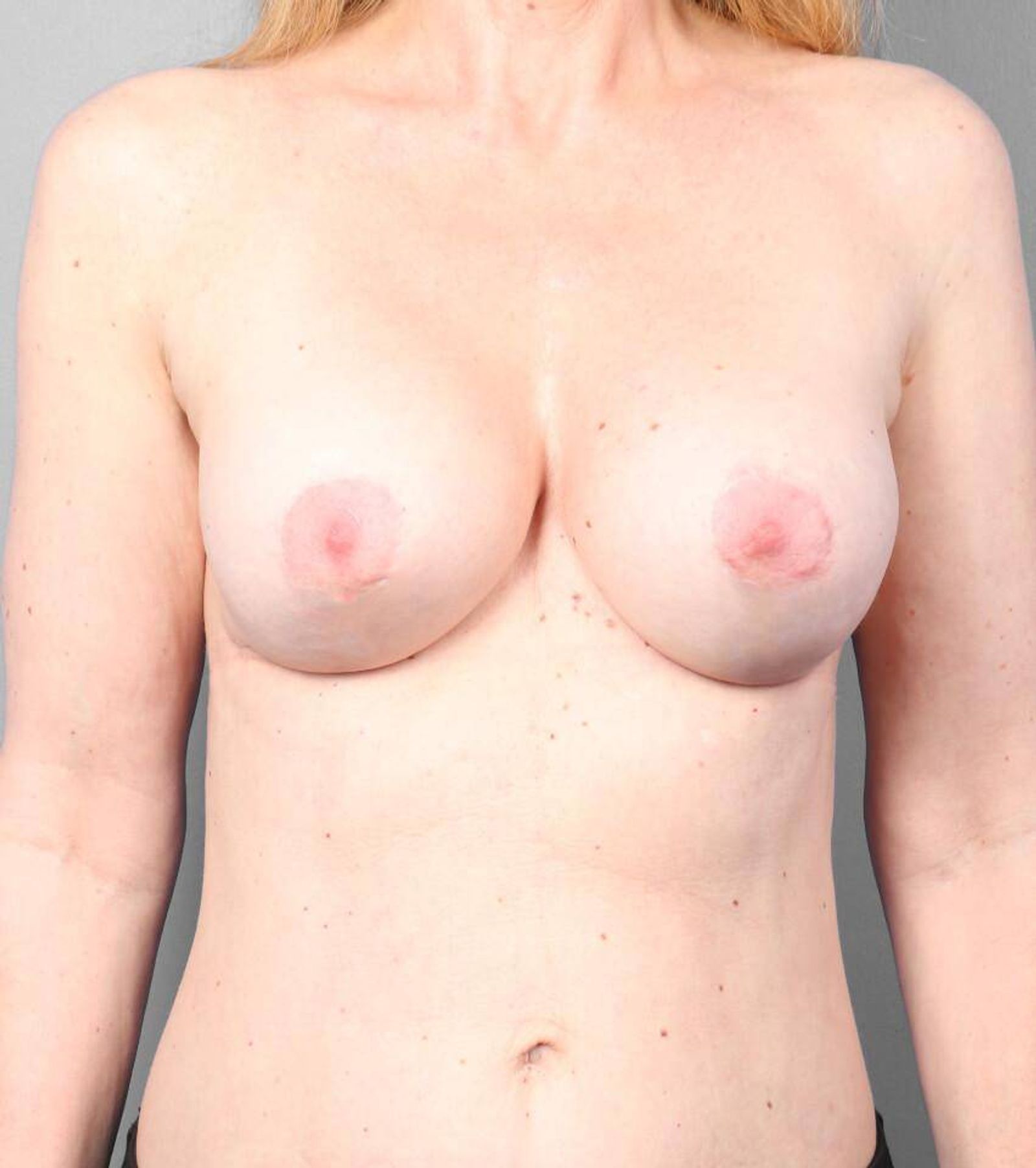
Drag the handle to compare. Click anywhere to jump.
Additional views
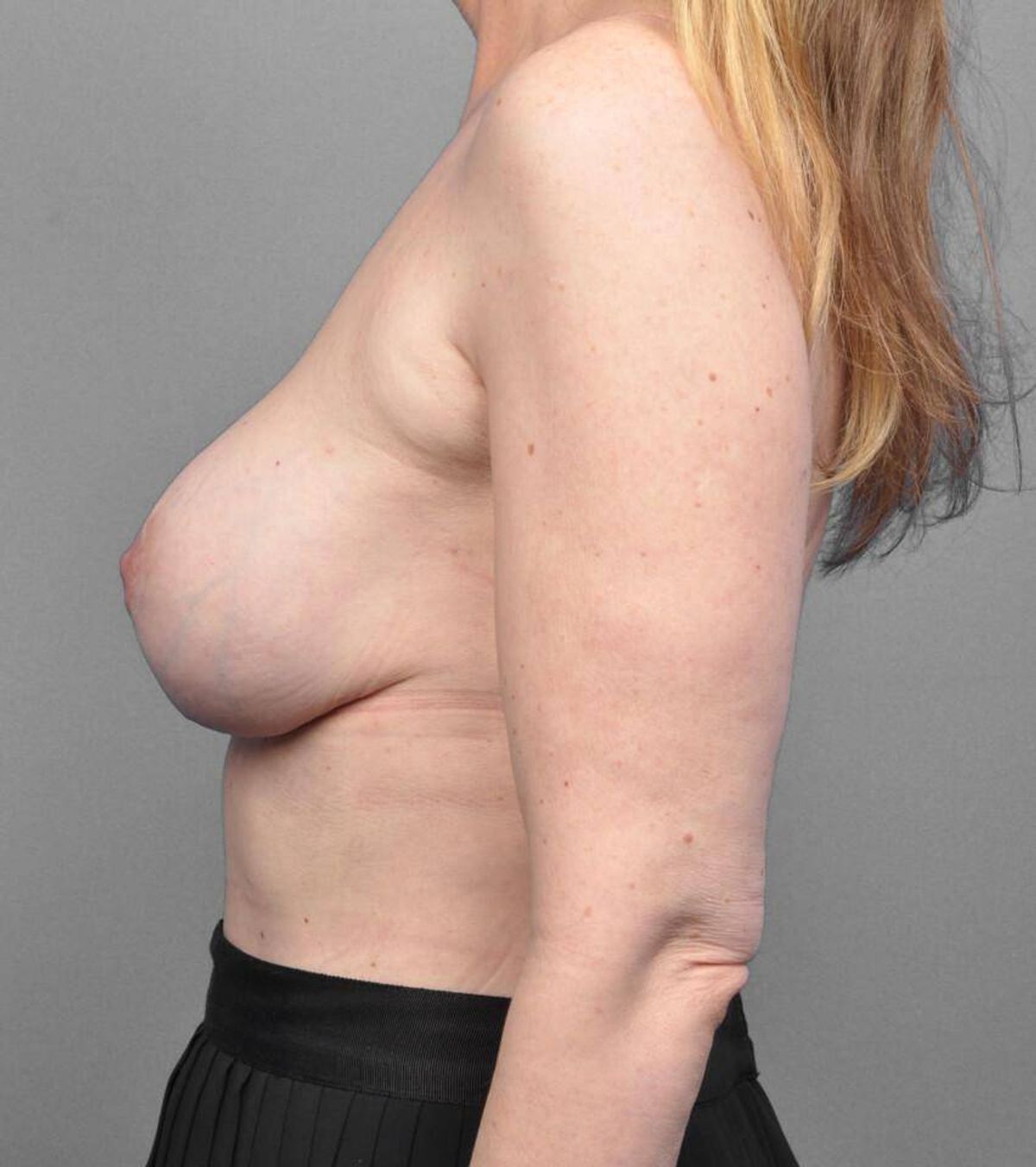
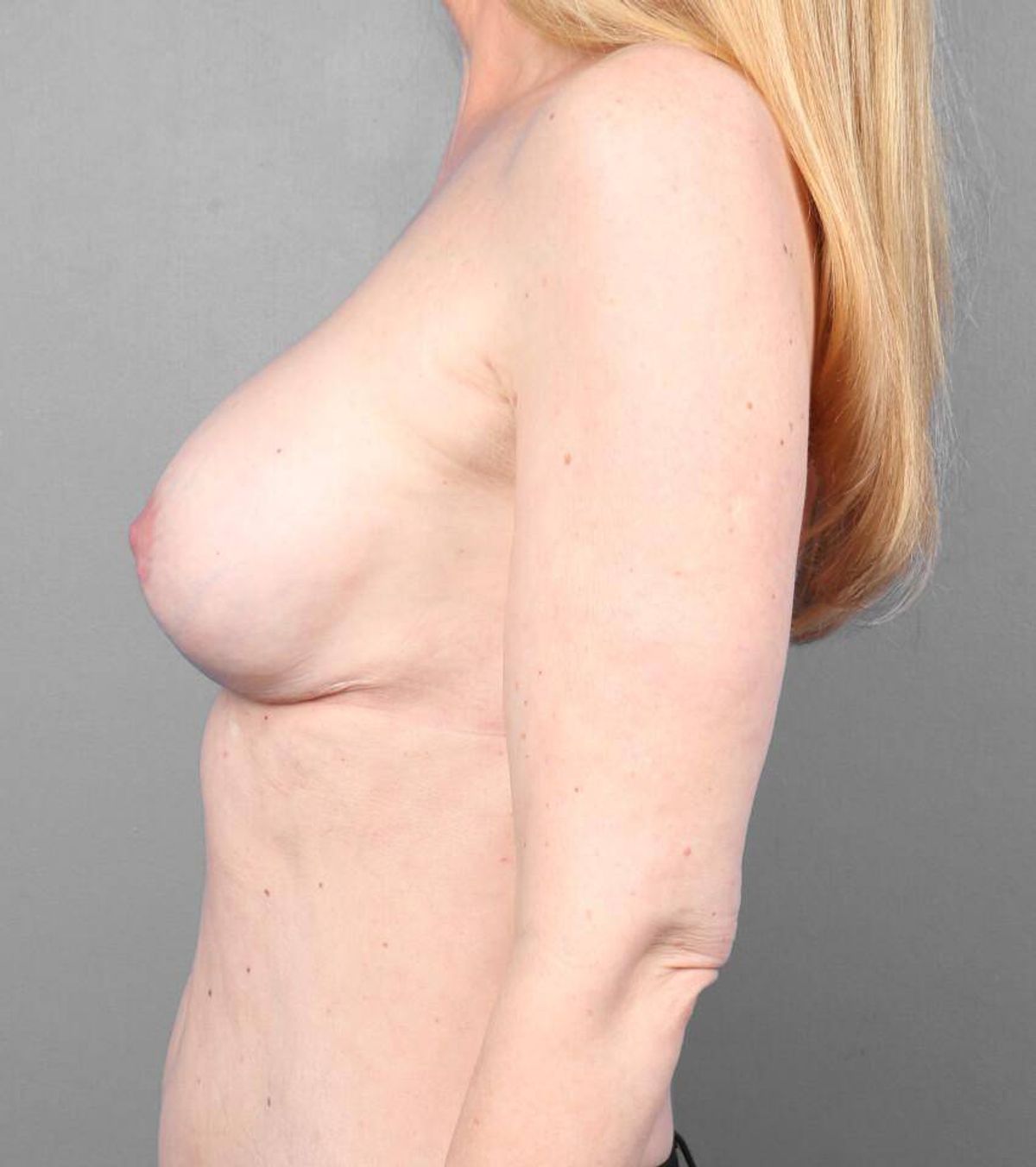
This 58-year-old patient from Pasadena, California had three previous breast augmentation surgeries (saline) with another doctor. When the patient came to us she still felt that her implants looked hard and round. Dr. Cassileth performed bilateral fat
Continued care
Recommended aftercare, skincare, and MedSpa services for Fat Grafting Breast Reconstruction.
- No pressure on the reconstructed breast for 3 weeks — graft survival depends on tissue contact preservation
- No bra with underwire for 6 weeks
- Walking encouraged; cardio at week 4
- Liposuction donor sites: compression garment for 4–6 weeks
- Hyperbaric Oxygen Therapy to support healing when recommended
- SkinCeuticals C E Ferulic on liposuction incision site scars
- Body hydration protocol on donor sites
- SPF 50+ on all scars for 12 months
- Hyperbaric oxygen therapy when recommended — supports graft survival
- Indiba radiofrequency on donor sites
- LED light therapy to reduce bruising
- Aftercare
Hyperbaric oxygen series extended to 10–15 sessions for bilateral tissue support.
Bilateral procedures heal more reliably with sustained HBOT.
Why this approach
The decisions that shaped this surgical plan.
- Bilateral fat grafting breast reconstruction performed in one operative session so symmetry, tissue handling, and final shape track between both sides.
Pre-op preparation
What to do before surgery. Specific to this case.
- Discontinue blood thinners (NSAIDs, aspirin, fish oil, vitamin E) two weeks out. Acetaminophen remains safe; the full list is reviewed at pre-op.
- No nicotine for 6 weeks before through 6 weeks after surgery. The vascular impact directly affects skin healing.
- Front-closing clothing only for 3 weeks. Drain holders and supportive surgical bras are issued at discharge.
- A driver is required the day of surgery and a responsible adult should stay with you the first 24 hours.
Recovery timeline
Milestones specific to this case. Individual recovery varies.
- Day 1–7
Both sides healing in parallel means the early phase is quieter, short walks, full rest periods, and no driving until off pain medication.
- Week 2
Walking distance doubles. Showering rules relax. Compression garments transition to the long-wear schedule.
- Week 4
Most patients back to gym cardio at 50 percent intensity. Scar massage protocol begins. Driving restored if not already.
- Week 6
The "back to normal" week for most patients. Final compression schedule transitions to optional.
- Month 3
Tissue softens, scars begin to fade, and overall shape settles toward final. Scar maturation continues for another 6 months.