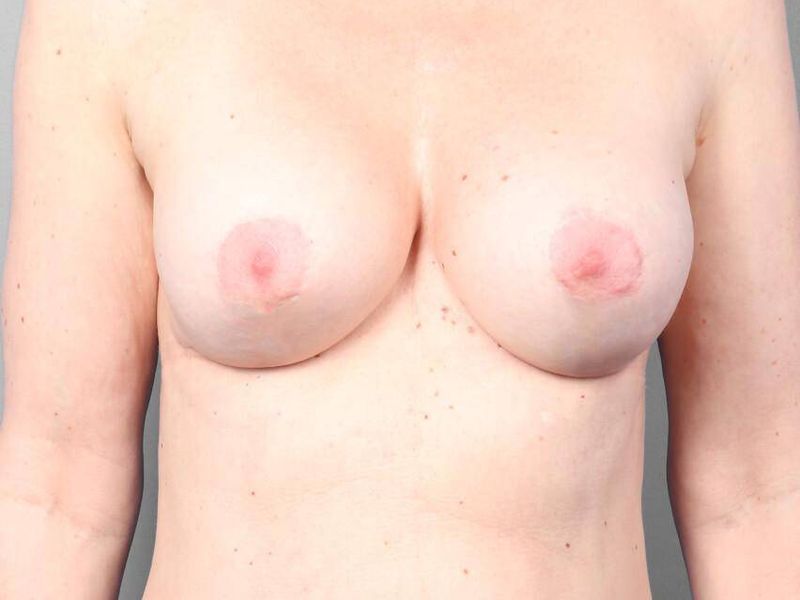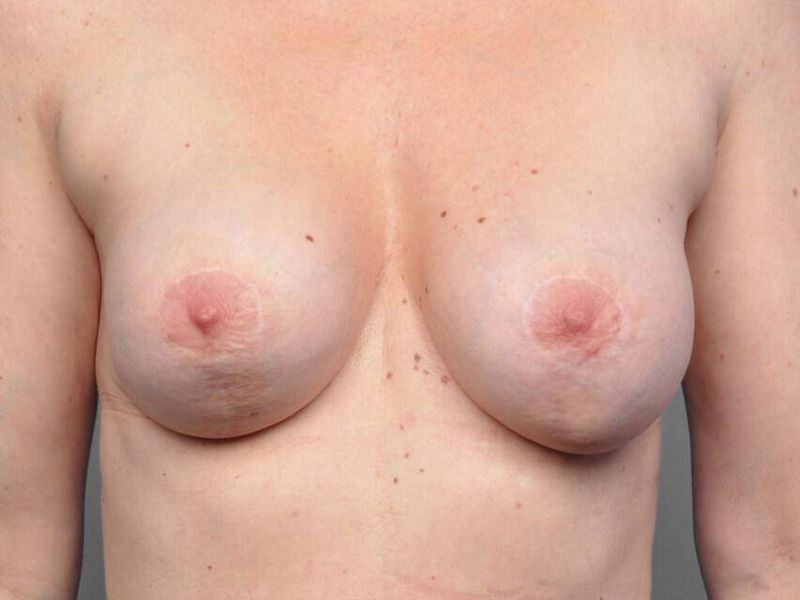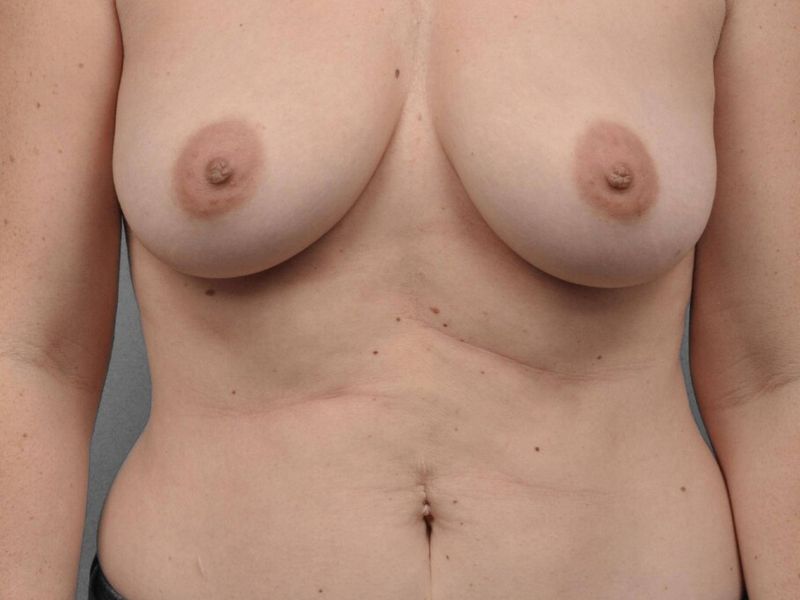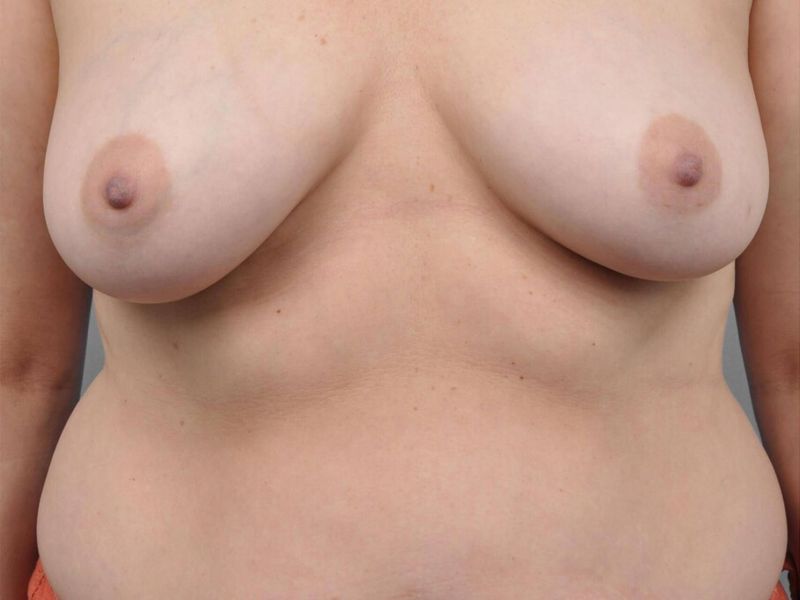
Case #1384 · Santa Monica, CA
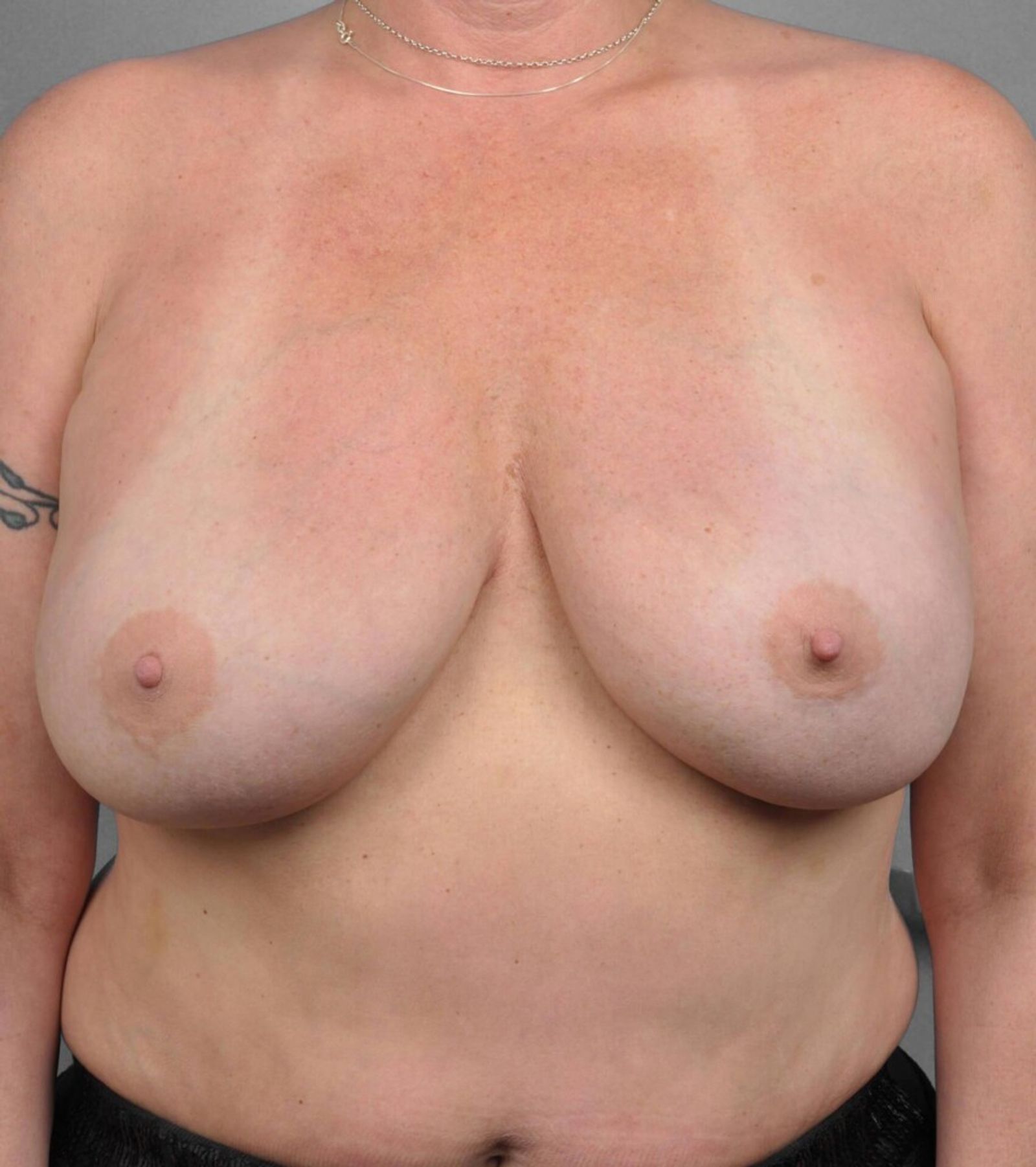
Fat Grafting Breast Reconstruction
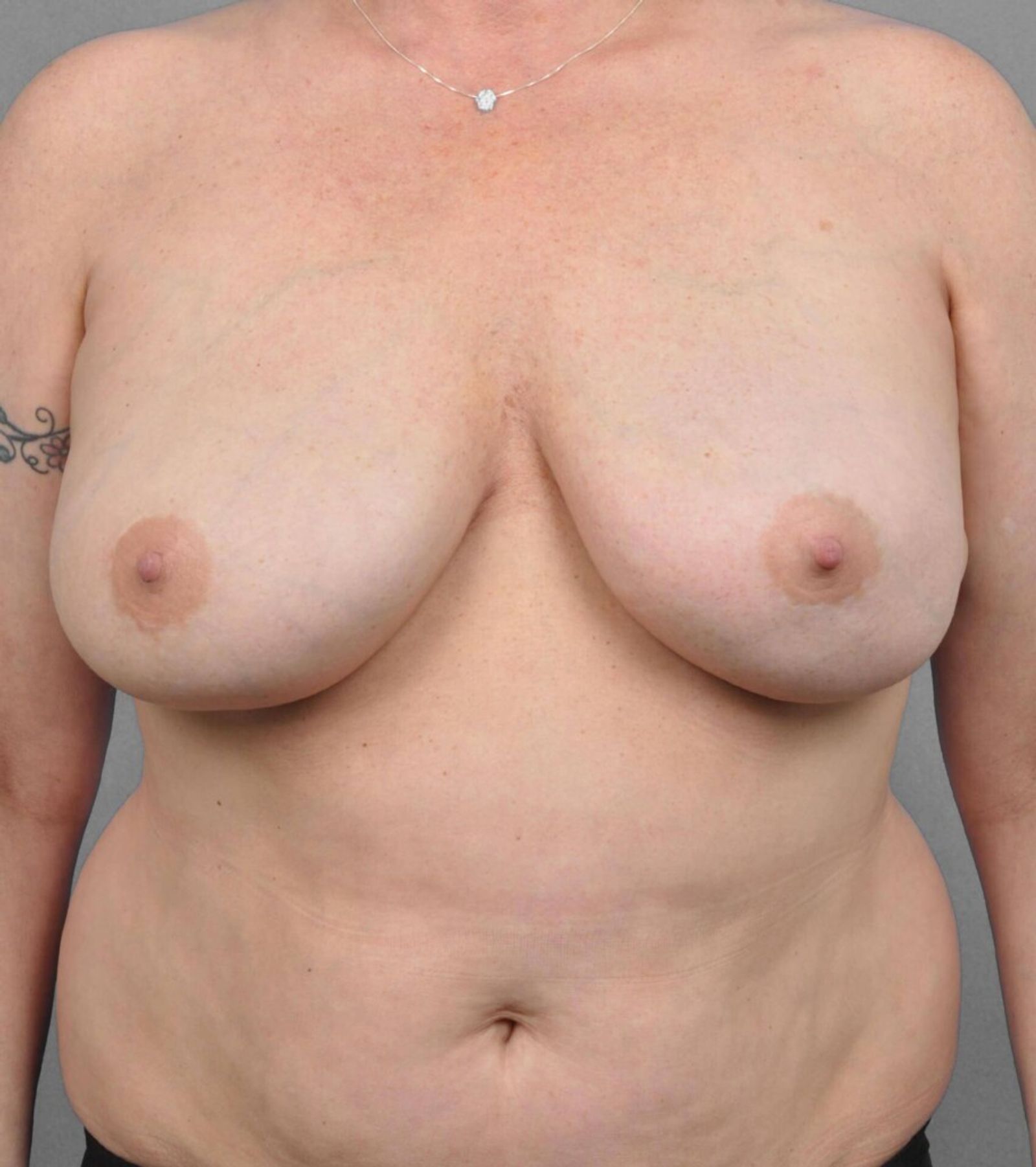
Drag the handle to compare. Click anywhere to jump.
Additional views
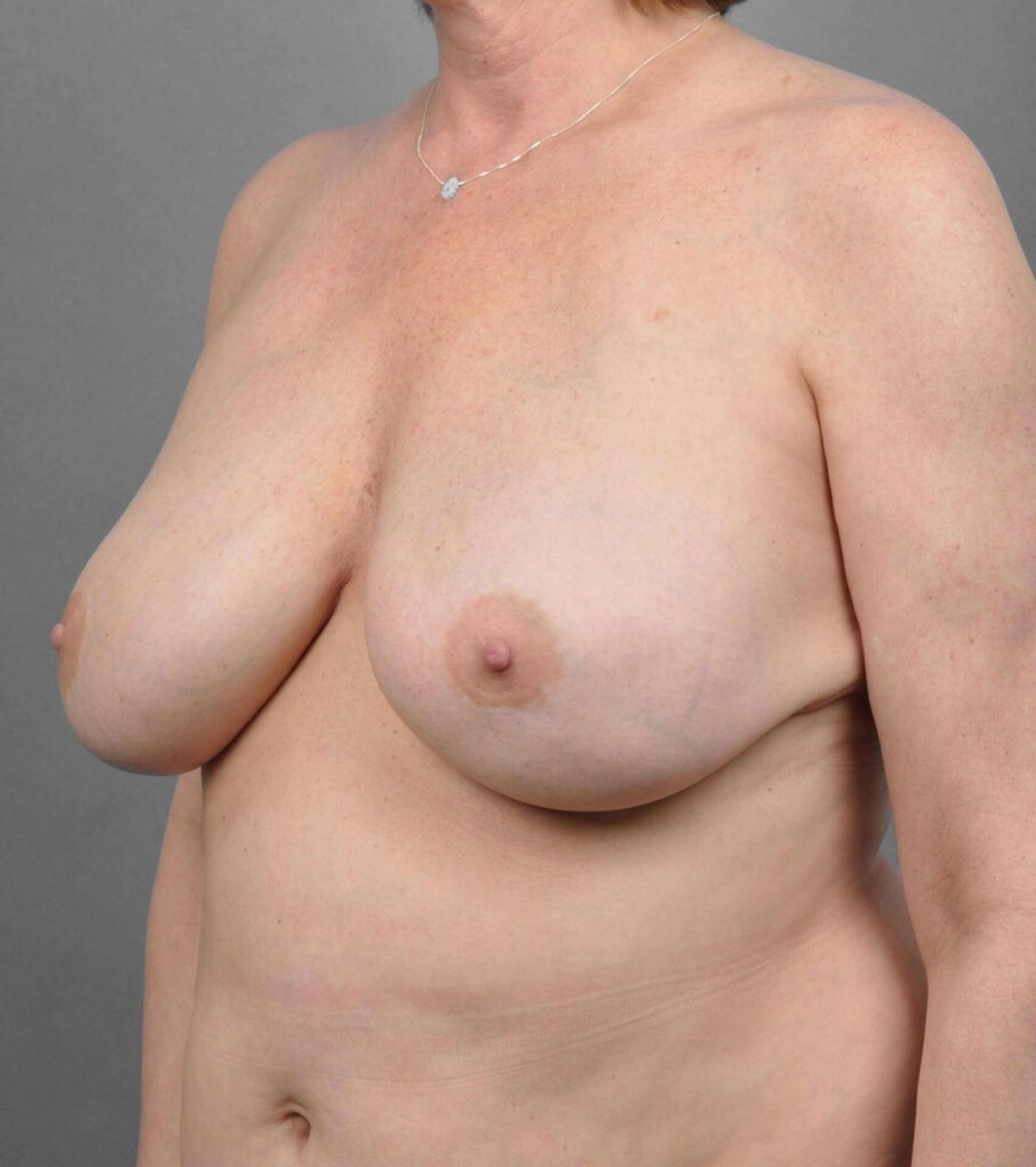
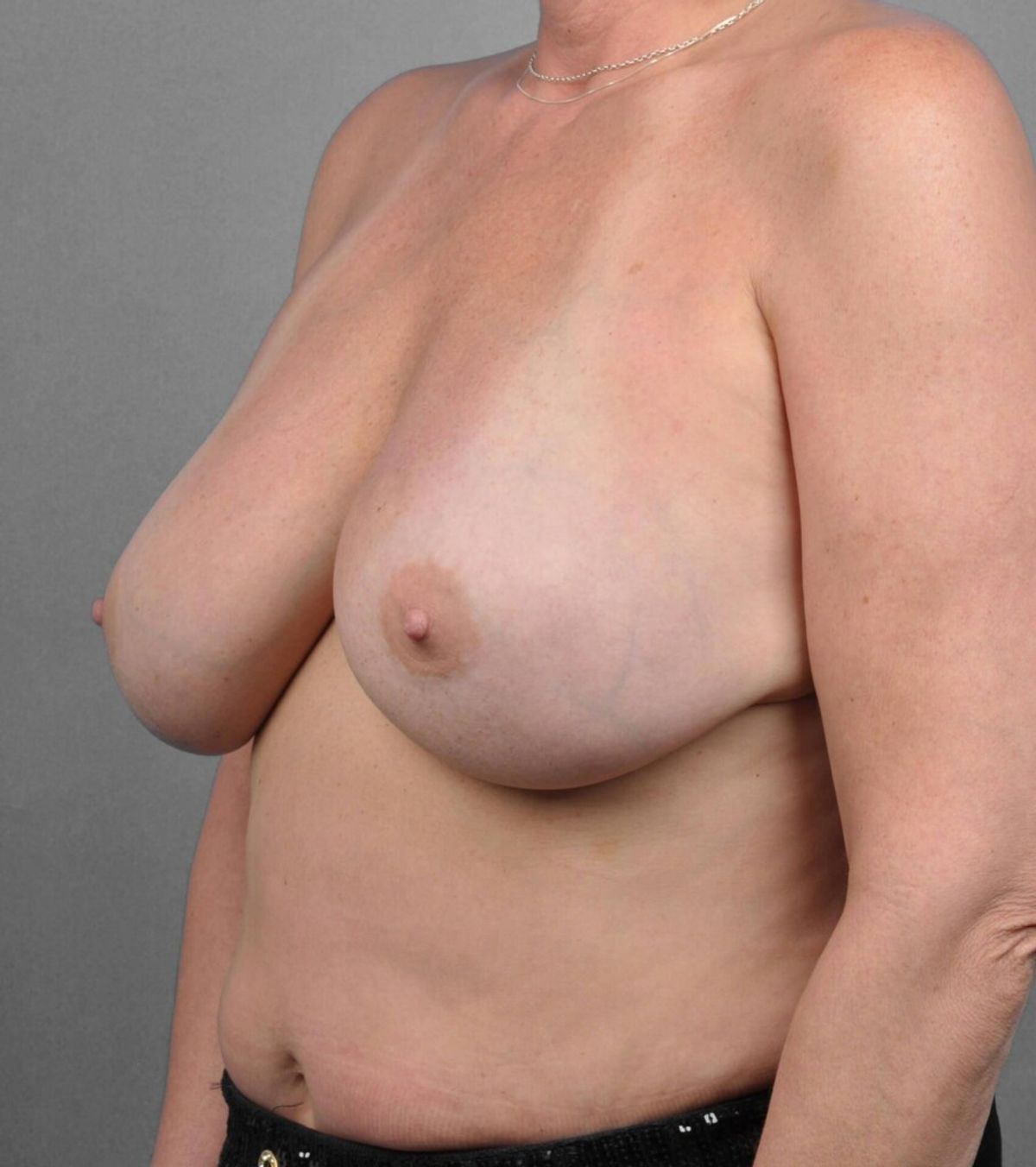
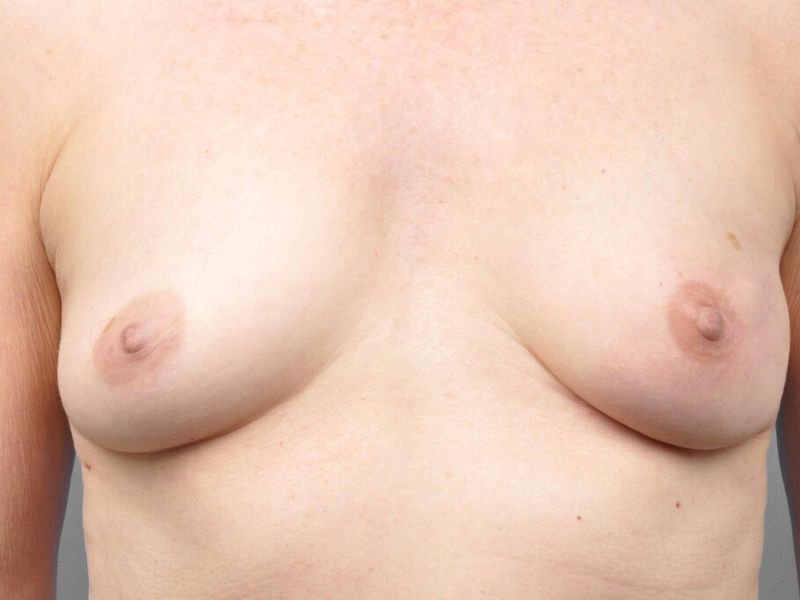
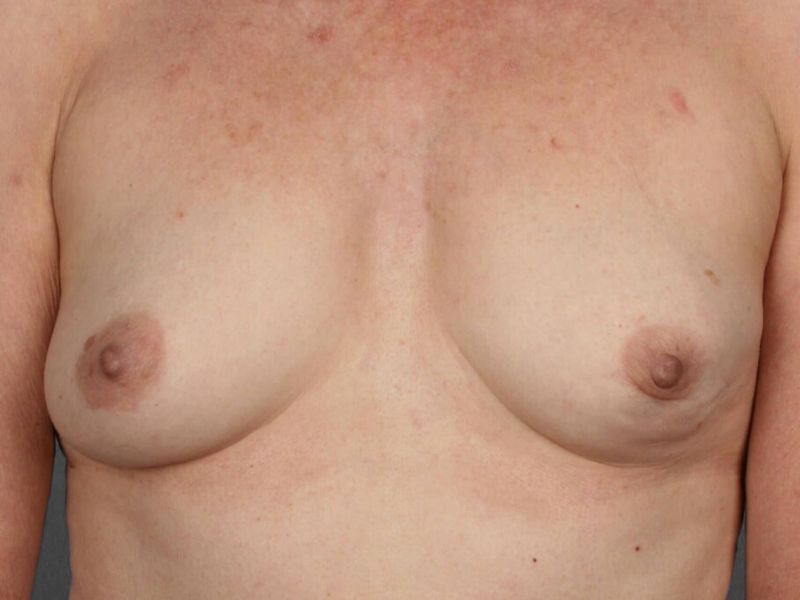
This 44-year-old patient from Santa Monica, CA was diagnosed with breast cancer and underwent bilateral mastectomy with tissue expanders and breast reconstruction. She was unhappy with the aesthetic results of her reconstruction that left ripping and
Continued care
Recommended aftercare, skincare, and MedSpa services for Fat Grafting Breast Reconstruction.
- No pressure on the reconstructed breast for 3 weeks — graft survival depends on tissue contact preservation
- No bra with underwire for 6 weeks
- Walking encouraged; cardio at week 4
- Liposuction donor sites: compression garment for 4–6 weeks
- Hyperbaric Oxygen Therapy to support healing when recommended
- SkinCeuticals C E Ferulic on liposuction incision site scars
- Body hydration protocol on donor sites
- SPF 50+ on all scars for 12 months
- Hyperbaric oxygen therapy when recommended — supports graft survival
- Indiba radiofrequency on donor sites
- LED light therapy to reduce bruising
- Aftercare
Bilateral HBOT protocol, 10–15 sessions over the first 6 weeks.
Bilateral procedures heal more reliably with sustained HBOT.
- Coordination
Imaging cadence reviewed against the oncology plan at the 3-month visit.
Post-mastectomy patients stay on a long-term surveillance pathway.
- Aftercare
Lymphatic drainage prioritized at week 1 to limit post-axillary swelling.
Lymphatic disruption from axillary work makes early drainage more valuable.
Why this approach
The decisions that shaped this surgical plan.
- Reconstruction planned around the oncologic mastectomy, surgical timing, tissue preservation, and incision pattern were chosen to support both safe cancer clearance and long-term aesthetic outcome.
- Both sides treated in the same session, symmetric planning, identical tissue handling, and matched final contour are easier to achieve in one operative window than in two.
Pre-op preparation
What to do before surgery. Specific to this case.
- Aspirin, ibuprofen, vitamin E, and fish oil discontinued 14 days pre-op to reduce bruising risk. Acetaminophen is allowed.
- Full nicotine cessation 6 weeks pre- and post-op. This includes vapes and nicotine replacement products; the constriction effect is the same.
- Front-closing clothing only for 3 weeks. Drain holders and supportive surgical bras are issued at discharge.
- A driver is required the day of surgery and a responsible adult should stay with you the first 24 hours.
- Surgical date confirmed against oncology pathway. Imaging and pathology results are reconciled by the team at the pre-op visit.
Recovery timeline
Milestones specific to this case. Individual recovery varies.
- Day 1–7
First week prioritizes drain care, walking short distances, and avoiding any overhead reaching. Multi-modal pain control keeps narcotic use brief.
- Week 2
Activity ramps up cautiously: longer walks, no lifting yet. Most patients return to desk work this week.
- Week 4
Return to most low-impact activity. Scar massage, compression, and skincare protocols pick up.
- Week 6
Standard clearance milestone. Patients return to most exercise, gym work, and sleeping in any position.
- Month 3
Coordinated oncology and surgical check-in. Reconstruction shape and feel begin to mature.
- Month 6
Mature result. Patients commonly schedule the final phase of staged reconstruction here.