Breast surgery
Direct-to-Implant Reconstruction
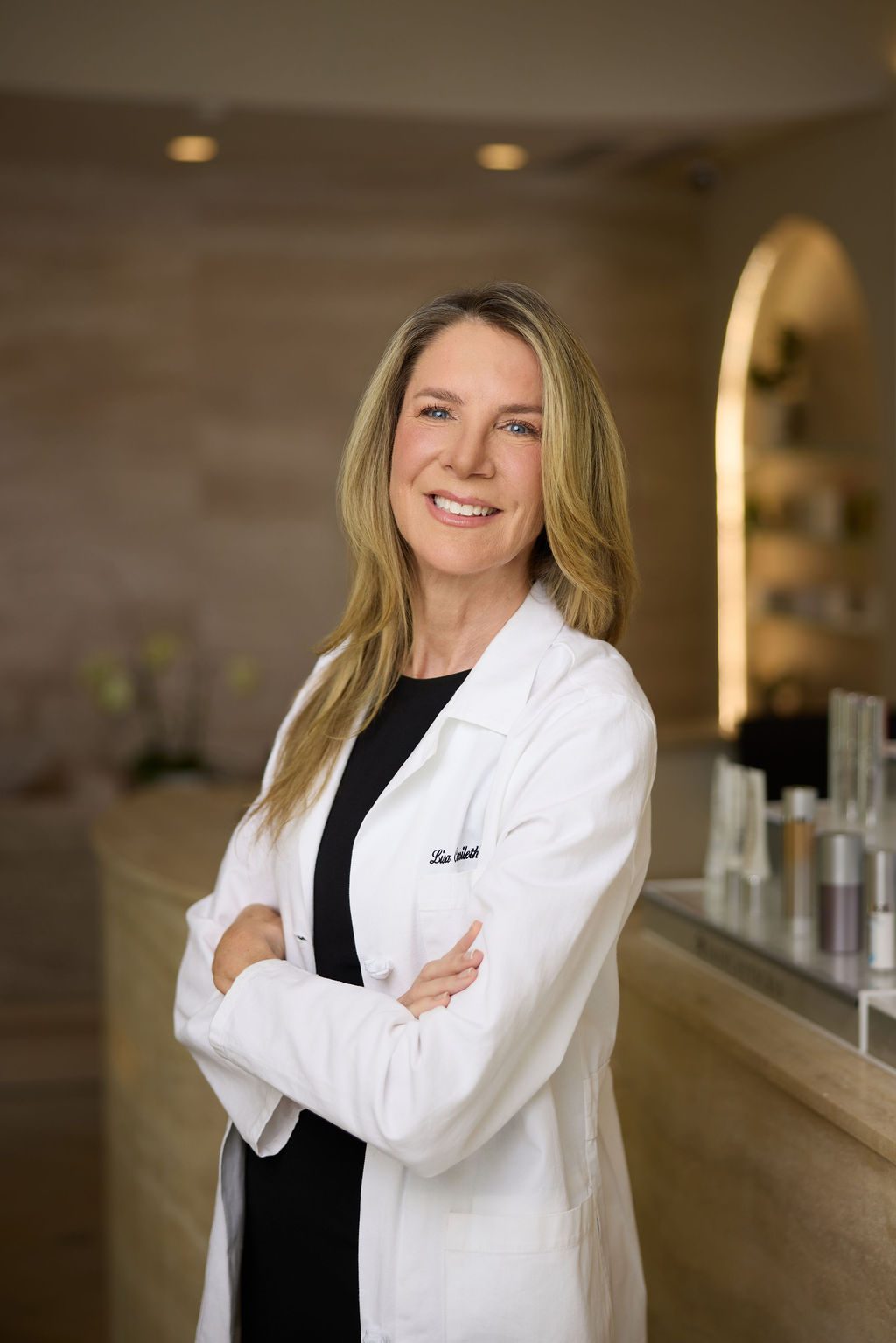
Dr. Cassileth invented Direct-to-Implant reconstruction to eliminate the waiting, the expanders, and the uncertainty. You wake up whole.
Overview
Traditional breast reconstruction after mastectomy requires multiple surgeries — tissue expanders, weeks of painful inflation, then a second operation to place implants. For many women, this process takes six months to a year.
Direct-to-Implant (DTI) reconstruction eliminates all of that. The breast is fully reconstructed at the same time as the mastectomy, in a single procedure. There are no expanders. No return trips to the operating room. You leave the hospital with your breasts already rebuilt.
Dr. Cassileth developed this technique and has performed over 500 reconstruction cases per year. Her published research established the protocol now used by surgeons worldwide.
Who it's for
The right candidate.
- Women undergoing mastectomy who want reconstruction completed immediately
- Patients seeking a single surgery rather than a staged approach
- Women who are not candidates for flap reconstruction or prefer not to use their own tissue
- Patients prioritizing faster recovery and fewer procedures
- Women who have already had radiation to the chest (SWIM or fat grafting may be better options)
- Patients with significant health factors that increase surgical risk
- Women who prefer reconstruction using their own tissue exclusively
During your consultation, Dr. Cassileth will review your anatomy, health history, and goals to determine whether DTI is the right approach — or recommend an alternative.
Technique
How it's done.
Invented here. Dr. Cassileth pioneered Direct-to-Implant reconstruction and has refined the technique over two decades. This is not a procedure she learned — it's one she created.
The right mastectomy surgeon matters. Reconstruction outcomes depend on the mastectomy. Dr. Cassileth works exclusively with breast surgeons at Bedford Breast Center who use nipple-sparing, skin-sparing techniques with mastectomy flap necrosis rates under 1% — compared to 30%+ industry average.
Muscle-sparing placement. The pectoral muscle is left intact. This means less pain, faster recovery, and no "pec flex" deformity — the unnatural movement some patients experience when the implant is placed under the muscle.
Internal bra technique. Rather than placing the implant loosely under the skin flap, Dr. Cassileth creates a full internal bra using acellular dermal matrix (ADM). This supports the implant, creates a natural slope, and reduces the need for fat grafting later.
Nerve reinnervation. During surgery, Dr. Cassileth reconnects the deep nerves to the superficial nerves using an allogenic nerve graft — restoring sensation to the breast over time. Most reconstructions leave the breast permanently numb.
Advanced recovery protocols. Prevena VAC improves oxygenation and reduces complications. Exparel nerve blocks provide days of pain relief without narcotics. PRF, peptides, and hyperbaric oxygen therapy accelerate healing.
How is One-Stage Breast Reconstruction Different?
I perform direct-to-implant, above-the-muscle reconstruction on almost every one of our mastectomy patients, with extremely low risk of complications and highly aesthetic results. So, why doesn’t everyone do this? Patients often hear from other doctors that they may not be good candidates for this technique or that expanders are “safer.” There are a few important choices that I have made that allow me to stand apart: the choice of the mastectomy surgeon, specific techniques designed to blend and support the implant, and a set of surgical and perioperative protocols that further increase the comfort and safety of the surgery.
1. Your Mastectomy Surgeon
In any mastectomy with reconstruction, two surgeons are involved: the breast surgeon (who does your mastectomy) and the plastic surgeon (who does your breast reconstruction after the mastectomy is complete). Obviously, having a great plastic surgeon is important to having a great result, but having an excellent mastectomy surgeon is equally critical. As a plastic surgeon, I can only give you the best aesthetic outcome when you have the best mastectomy surgeon. I exclusively work with breast surgeons who have demonstrated an extremely low risk of mastectomy flap necrosis, an unfortunately common complication that can cause death of the breast skin. My favorite surgeons are at
, and they have a mastectomy flap necrosis risk as low as 1%, while most surgeons have a rate of 30% or higher. These breast cancer surgeons commonly employ nipple-sparing mastectomy and skin-sparing mastectomy techniques. They are highly experienced and use only an incision at the crease under the breast—a feat that other surgeons find technically difficult, and that I insist on, because it improves your surgical outcome and the safety of the surgery
2. Special implant Techniques
Next, I employ specific implant placement techniques to achieve natural-looking results. When it comes to the breast reconstruction portion of the procedure, the details make all the difference. First, the pectoral muscle is left intact, which means the recovery is far less painful and avoids an unnatural-looking condition called “pec flex” deformity, where the pectoral muscle moves the breast upon flexing. Second, I create an internal bra. Most plastic surgeons wrap the implant with acellular dermal matrix and place it under the mastectomy flap, which lets the implant droop to the bottom of the breast pocket and gives the implant very little support. I prefer installing a full internal bra prior to placing the implant, using a dermal matrix to bridge the gap between the implant and the chest wall for a supported slope. This softens the contour of the implant, makes it look more natural, gives it room to shift slightly as a natural breast does, and decreases the need for fat grafting later. Finally, I often reinnervate breast skin. During mastectomy surgery, the nerves that naturally pass through the breast tissue are removed, leaving the skin of the breast numb.
2
Using an allogenic nerve graft, I reconnect the deep nerves to the superficial nerves, allowing breast sensation. This is performed simultaneously with the reconstruction, and the nerve regrows through the graft. Sensation improves as you heal.
3. Perioperative Details
To enhance your comfort and expedite recovery, I combine several advanced techniques. I use a Prevena VAC to improve oxygenation to the incision and reduce complication rates. Next, I administer Exparel nerve blocks during surgery, which block pain for several days. This helps encourage early movement after surgery, which speeds up your recovery. I also incorporate PRF and peptides that suppress inflammation and promote healing, complemented by hyperbaric oxygen therapy. Our concierge nursing team provides attentive post-operative care, monitoring your daily needs closely.
What to expect
From consultation to recovery.
Before Surgery
- Consultation — Meet with Dr. Cassileth to review your anatomy, health history, and goals. 3D imaging helps visualize your expected outcome.
- Coordination — Our team works with your oncological surgeon to align the mastectomy and reconstruction into one procedure.
- Pre-op preparation — Medical clearance, lab work, and detailed instructions provided 2 weeks before surgery. Insurance authorization handled by our team.
During Surgery
- Mastectomy + reconstruction — Performed together under general anesthesia. Dr. Cassileth places the implant immediately after tissue removal — no expanders.
- Nerve reinnervation — When possible, nerves are reconnected to restore sensation over time.
- Pain management — Exparel nerve blocks are administered during surgery, providing pain relief for several days without narcotics.
After Surgery
- Hospital stay — Most patients spend one night and go home the next day.
- First week — Rest at home or in a recovery facility. Drains removed within 7–10 days. 24/7 access to our care team.
- Weeks 2–4 — Light activity resumes. Most patients return to desk work within two weeks.
- 6+ weeks — Full activity gradually reintroduced. Final results continue to settle over several months.
“Reconstructing the breasts at the same time as mastectomy eliminates the risks of multiple surgeries and, more importantly, helps minimize the sense of loss.”
Dr. Lisa Cassileth
“I am dedicated to helping women live with confidence and comfort. During your consultation appointment, we will discuss your medical history and your aesthetic goals and I will answer any questions you have. If you are not an ideal candidate for single-stage reconstruction with saline or silicone implants, I will guide you to a procedure that is right for your needs and goals.”
— Dr. Lisa Cassileth
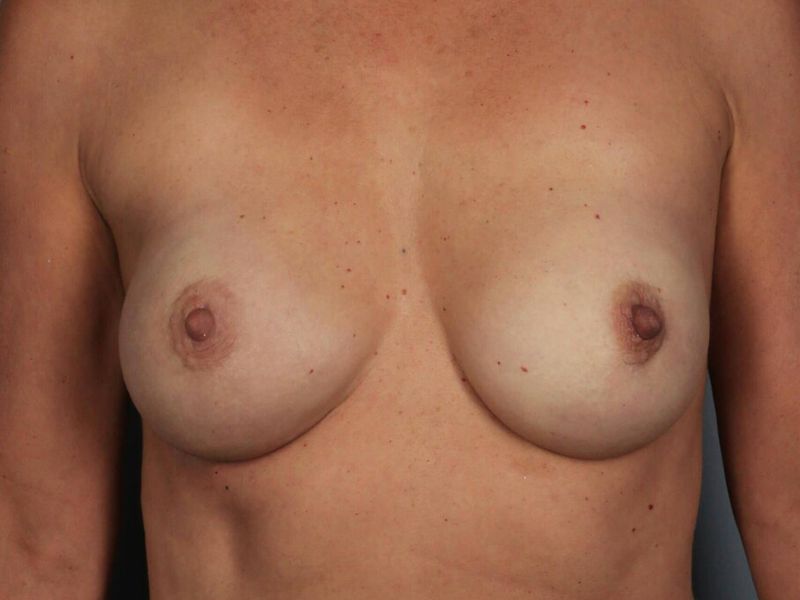
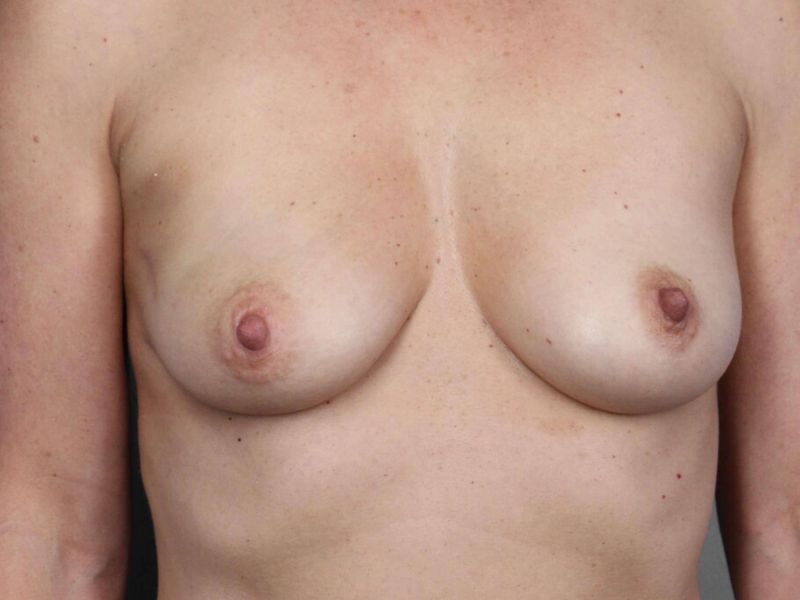
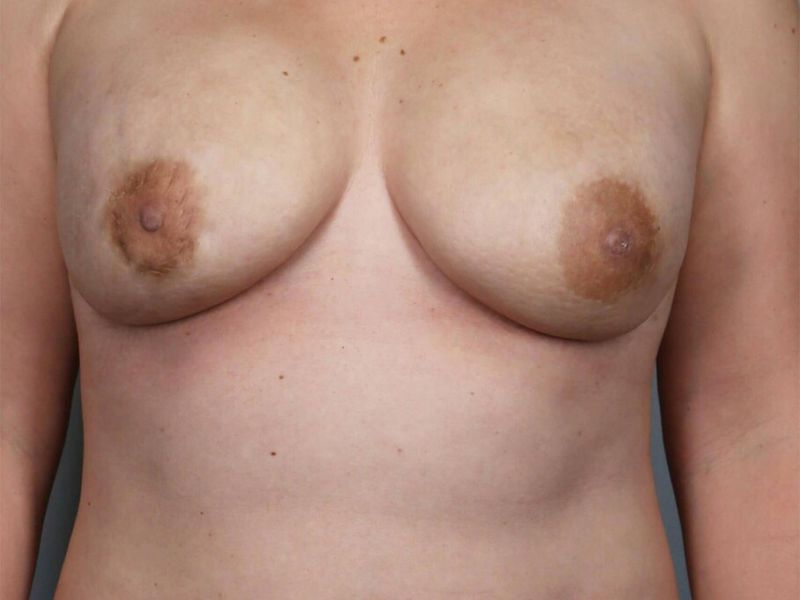
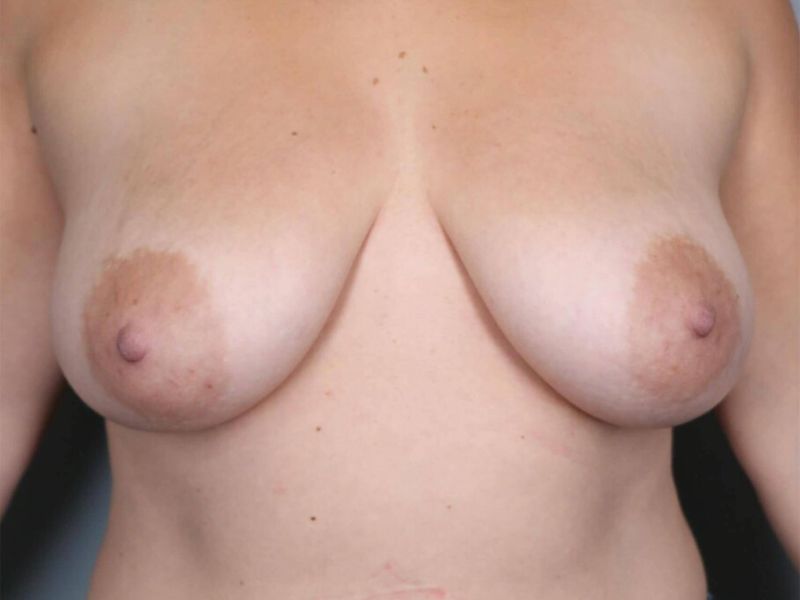
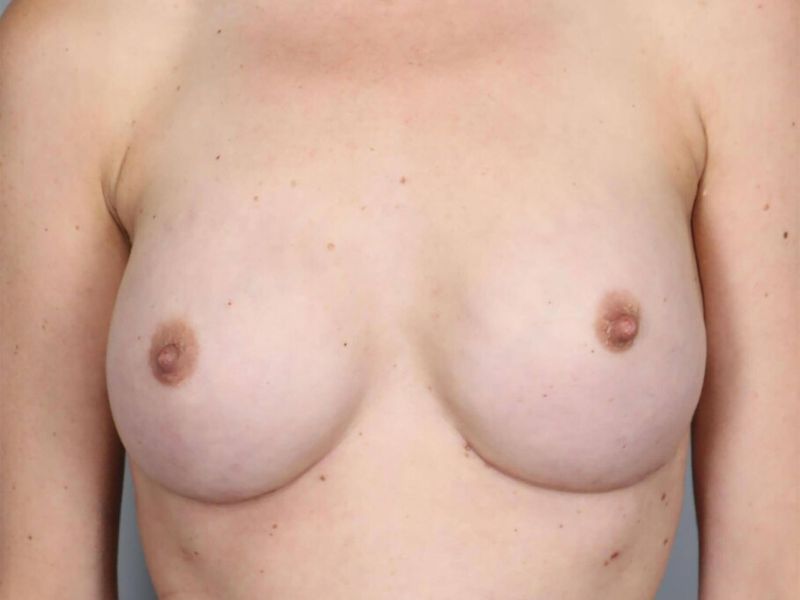
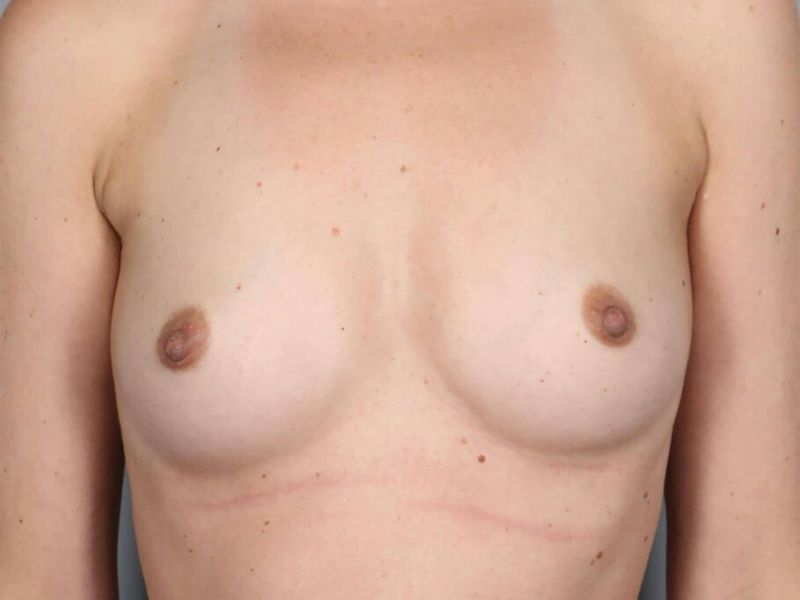
Patient results
Real cases.
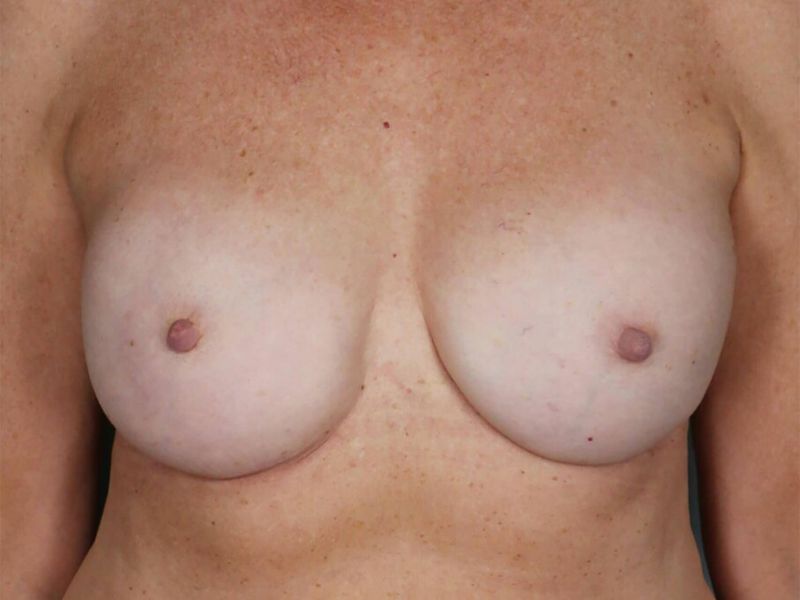
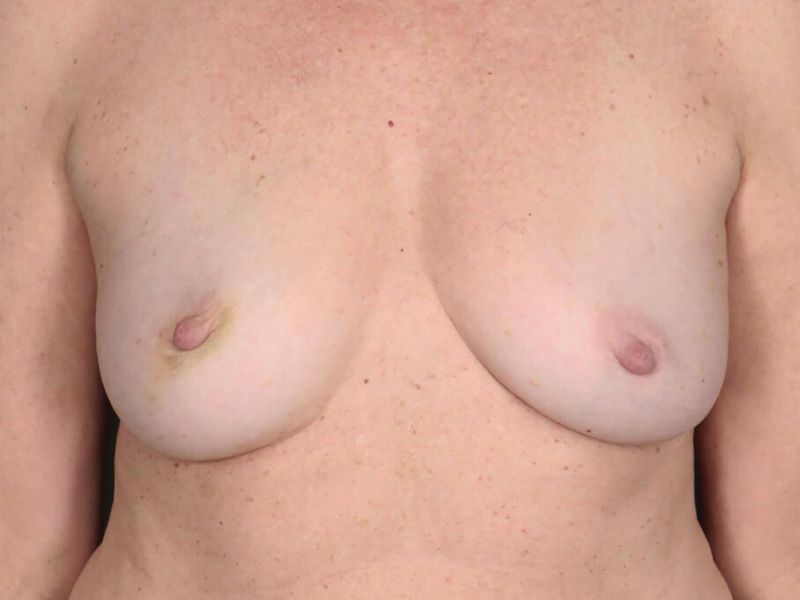


Insurance
Read about coverage & financing →Breast reconstruction after mastectomy is federally mandated to be covered by insurance. Our team works directly with your provider to maximize coverage and handle approvals. Most DTI patients have the majority of their procedure covered.
FAQ
Common questions.
What is Sensation-Preserving Mastectomy?
Surgical techniques have continued to improve, and experienced surgeons can now create a breast that often looks as good as or better than the original. However, mastectomy typically leaves the breast and nipple numb. I am now happy to offer patients a nerve graft at the time of the mastectomy surgery and finally give patients an option to restore some sensation. During the surgery, before the breast tissue removal, the large nerves exiting the chest wall are dissected before they enter the breast tissue. These are safely preserved so they are not removed with the mastectomy sensation. During the same surgery, and once the mastectomy is completed, these nerves are meticulously and carefully reconnected to severed nerve endings in the back of the skin, essentially providing a “jumper cable” around the breast implant. Patients typically start to notice sensation returning as early as three months after the mastectomy.
Who Is A Good Candidate For Sensation-Preserving Mastectomy?
Sensation-preserving mastectomies are good options for women who want to preserve as much sensation as possible and are undergoing mastectomy. The nerves used are typically the lateral intercostal nerves, which enter the breast just behind the nipple and slightly to the side. The nerve that is used must be away from any area that may contain DCIS or breast cancer. Breast implant size may need to be limited depending on the individual patient’s anatomy.
What To Expect After Sensation-Preserving Mastectomy?
Traditional mastectomy usually causes the loss of sensation to some of the breast and nipple, and more importantly, light touch, which is protective, as well as pleasure sensation. That is because traditional mastectomy may cut the nerves that supply sensation to the majority of the breast skin and nipple. The cut nerves can even cause painful sensations or, rarely, neuromas. With sensation-preserving mastectomy, a few months after surgery, sensation will start to improve. The sensation will spread over the top of the breast until the area above the graft has reinnervated, which may take up to one year. Breast sensation is not normal but is better than without the nerve graft.
Why Do All Surgeons Not Offer Sensation-Preserving Mastectomy?
Sensation-preserving mastectomy is best performed by a team of surgeons specializing in their unique skills, in which the mastectomy surgeon and the plastic surgeon work together to dissect the nerve at the beginning of the case and before the mastectomy, and that nerve remains undamaged during the mastectomy. The operation is a microsurgical procedure and involves advanced training with nerve grafting. Following the reconstruction, the nerve is reconnected at the skin and chest wall using microsurgical techniques that involve advanced training. I am proud to be part of the first team to offer this operation in Southern California.
Why Did A Surgeon Tell Me I’m Not A Candidate For Direct-To-Implant Reconstruction?
We often hear from patients that other surgeons have told them they “are not a candidate for direct-to-implant reconstruction.” They are told that it is too dangerous and it only works for non-droopy, A- and B-sized breasts. Having performed hundreds of direct-to-implant reconstructions over more than 15 years, I can tell you that it’s not true. First, consider that it’s the first part of the surgery, the mastectomy, that is typically higher risk. For most breast cancer surgeons, the complication rate due to mastectomy flap necrosis is 30% or more.
3
That means that most plastic surgeons are very wary of trying direct-to-implant reconstruction because they fear that the skin or nipple may die after the surgery. This would mean that the skin would need removal and closure. So they advise their patients to have a three-phase surgical process, with mastectomy and placement of tissue expanders, followed by three months of painful expansion, followed by surgery to replace the expanders with permanent implants. With our mastectomy surgeons, the risk of mastectomy flap necrosis is very low, around 1%. This means we can trust the breast skin, nipple, and areola to survive. I believe tissue expanders are outdated, and I hope other centers can improve their techniques to make this a safe, commonly performed procedure someday. With a pre-pectoral implant that easily fits in place of the breast tissue, a tissue expander is not needed. Direct-to-implant can be used in combination with other techniques where appropriate. For women with large or droopy breasts, I may use an "autoderm flap," which lifts and protects the implant and breast appearance at the same time; this is where extra skin is used to reinforce the implant position, and a breast lift is done concomitantly to the mastectomy. For patients who have undergone radiation therapy of the breasts, it is much safer to perform the reconstruction over the muscle and also use the direct-to-implant techniques to minimize the increased risk of infection that comes with multiple implant surgeries. For patients with existing breast augmentation, the implants are usually placed under the muscle since the muscle is already partially detached from the chest wall.
What About “Going Flat” After Mastectomy?
Many women would like to avoid breast implants for reconstruction and don’t want free flaps that take many hours and have extended recovery. There are a few options that allow implants and long surgeries to be avoided. First, we can choose to “go flat,” meaning that the breast is closed in a long line with a smooth contour. This is also called “Aesthetic Flat Closure”. Here, avoiding the dreaded “dog ear” or other unsightly skin bulges that ruin the result is critical. Many, though, don’t want the long scar and don’t want to be completely flat. For this group, we have the SWIM flap, a modification for smaller breasts that I am fondly calling the “K. Lo” after my patient who was too small for the SWIM techniques but avidly refused an implant. In these techniques, extra skin and subcutaneous fat are preserved and used to make a new, albeit much smaller, breast. My
is an enhanced and refined version of the Goldilocks technique but with preservation of the nipple and recruitment of any bra roll fat. Like direct-to-implant reconstruction, the SWIM breast reconstruction is carried out at the same time as a mastectomy but involves creating a breast from the patient's own tissue and fat instead of using an implant. My article, published in the Journal of the American College of Surgeons, details the procedure and proves the many benefits of this approach.
4
The SWIM is ideal for larger-breasted women who want natural-looking, smaller breasts, as well as those who have undergone radiation treatments for cancer or who have multiple risk factors and health issues. I perform more than 500 reconstruction cases each year. This includes Direct-to-Implant breast reconstruction, nipple reconstruction,
, SWIM flaps, and fat grafting. Most of those cases are one-stage procedures—primary breast reconstructions done at the same time as the patient's mastectomy—in our Beverly Hills surgery center. I am dedicated to helping women live with confidence and comfort. During your consultation appointment, we will discuss your medical history and aesthetic goals, and I will answer any questions you may have. If you are not an ideal candidate for single-stage reconstruction with saline or silicone implants, I will guide you to a procedure that is right for your needs and goals.
How can I find a breast cancer reconstruction surgeon near me?
If you're seeking breast reconstruction in Beverly Hills or the Los Angeles, CA area,
is a board-certified plastic and reconstructive surgeon specializing in complex breast procedures. Dr. Cassileth is renowned for offering cutting-edge options, including direct-to-implant reconstruction, designed to provide natural, beautiful results in fewer steps.
today to learn more about the personalized solutions available for your breast reconstruction journey.
Related reading
From the journal.


Sources
Cited research.
- 1Cassileth L, Kohanzadeh S, Amersi F. One-stage immediate breast reconstruction with implants: a new option for immediate reconstruction. Ann Plast Surg. 2012 Aug;69(2):134-8. doi: 10.1097/SAP.0b013e3182250c60. PMID: 21734545.
- 2Breastcancer.org Satisfaction with breast reconstruction results. Available: https://www.breastcancer.org/treatment/surgery/reconstruction/satisfaction breastcancer.org · Accessed April 19, 2024
- 3Robertson SA, Jeevaratnam JA, Agrawal A, Cutress RI. Mastectomy skin flap necrosis: challenges and solutions. Breast Cancer (Dove Med Press). 2017;9:141-152. Published 2017 Mar 13. doi:10.2147/BCTT.S81712
- 4Cassileth LB, Killeen KL, Richardson HH. SWIM Flap: Skin-Sparing, Wise Pattern, Internal Mammary Perforator Breast Reconstruction. J Am Coll Surg. 2020 May;230(5):e21-e26. doi: 10.1016/j.jamcollsurg.2019.12.015. Epub 2020 Jan 17. PMID: 31958499.
Ready to discuss direct-to-implant reconstruction?
Schedule a consultation with Dr. Cassileth and her team to explore your options.
Request a consultation