Breast surgery
SWIM Flap Reconstruction
Dr. Cassileth co-developed the SWIM technique to rebuild breasts naturally, in a single surgery, without implants or donor sites.

Overview
SWIM (Skin-Sparing, Wise Pattern, Internal Mammary Perforator) is a groundbreaking approach to implant-free breast reconstruction. Unlike traditional flap procedures that harvest tissue from the abdomen or back, SWIM uses the patient's own breast skin and underlying fat to create a natural breast mound — all during the mastectomy itself.
The technique was developed by Dr. Cassileth and Dr. Heather Richardson of Bedford Breast Center as an evolution of the Goldilocks procedure. SWIM preserves the nipple and areola while recruiting local fat to build a smaller, natural-looking breast without implants, expanders, or a second surgical site.
Who it's for
The right candidate.
- Women who want reconstruction without implants
- Larger-breasted women comfortable with a smaller final size
- Patients who have had radiation or are planning radiation
- Women who are not candidates for traditional flap reconstruction
- Patients who want a single surgery with no donor site
- Women who want to maintain their current breast size
- Patients with very little natural breast tissue or fat to work with
- Women who prefer implant-based reconstruction
Technique
How it's done.
Co-invented by Dr. Cassileth. This technique was developed in partnership with Bedford Breast Center. Published research confirms its safety and outcomes.
No implants, no donor site. Unlike DIEP or TRAM flaps, SWIM doesn't require tissue from your abdomen, back, or thighs. No additional scars, no extended recovery.
Ideal for radiated tissue. Radiation damages skin and tissue, making implants problematic. SWIM uses your own living tissue, which tolerates radiation far better.
Preserves the nipple. The Wise-pattern incision (anchor-shaped) allows nipple preservation while reshaping the breast.
Single surgery. Reconstruction is completed at the time of mastectomy. No expanders, no second operation.
Preparing For SWIM Flap Breast Reconstruction
Preparing for breast reconstruction typically involves a number of steps, including stopping smoking, maintaining a healthy diet and exercise regimen, and avoiding certain medications and supplements that can increase the risk of bleeding or other complications during surgery. You may also be advised to undergo a breast MRI or other imaging tests to help determine the best approach for your SWIM flap reconstruction. It's also important to prepare mentally and emotionally for SWIM flap breast reconstruction, as it can be a significant step in the breast cancer journey. Support from loved ones, as well as counseling or support groups, can be helpful in coping with the physical and emotional changes that come with breast reconstruction.
The SWIM Flap Breast Reconstruction Procedure
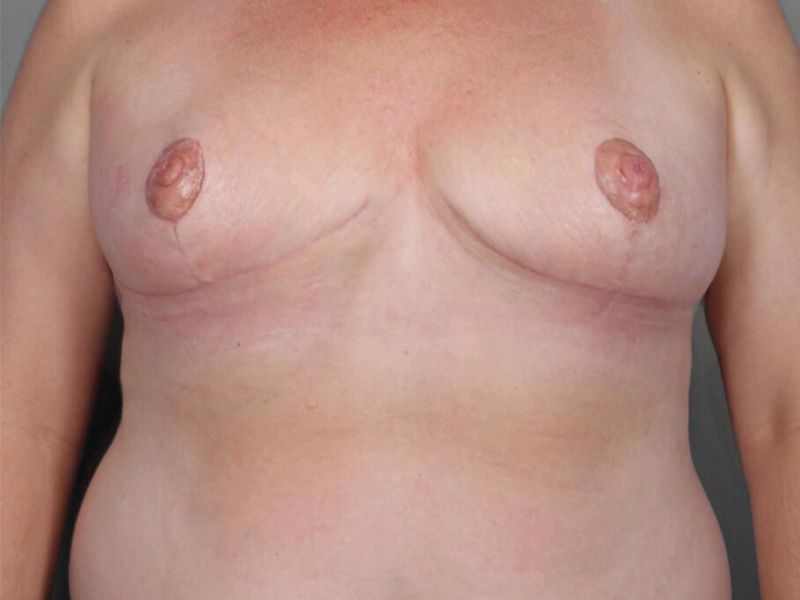
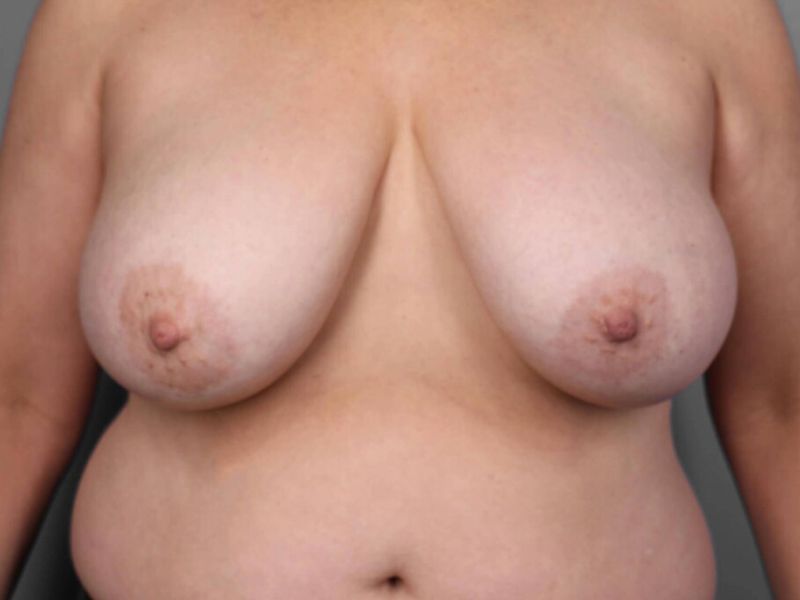
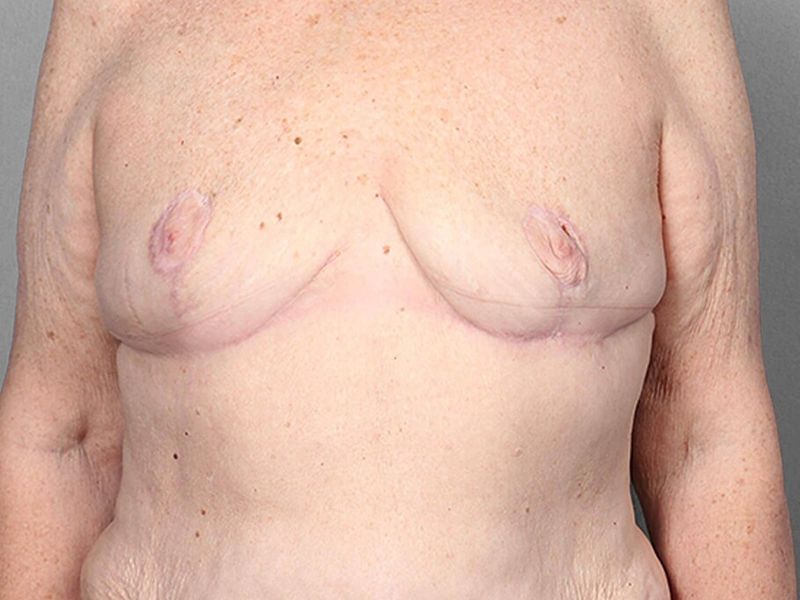
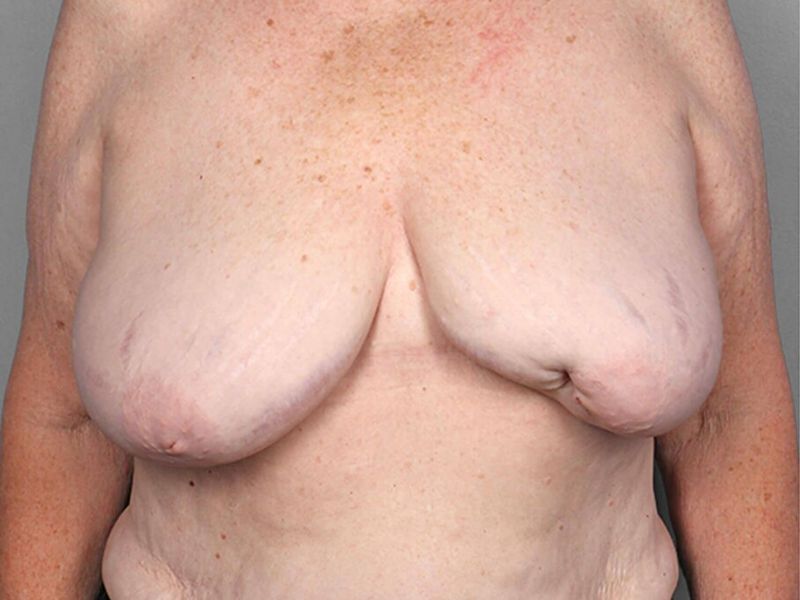
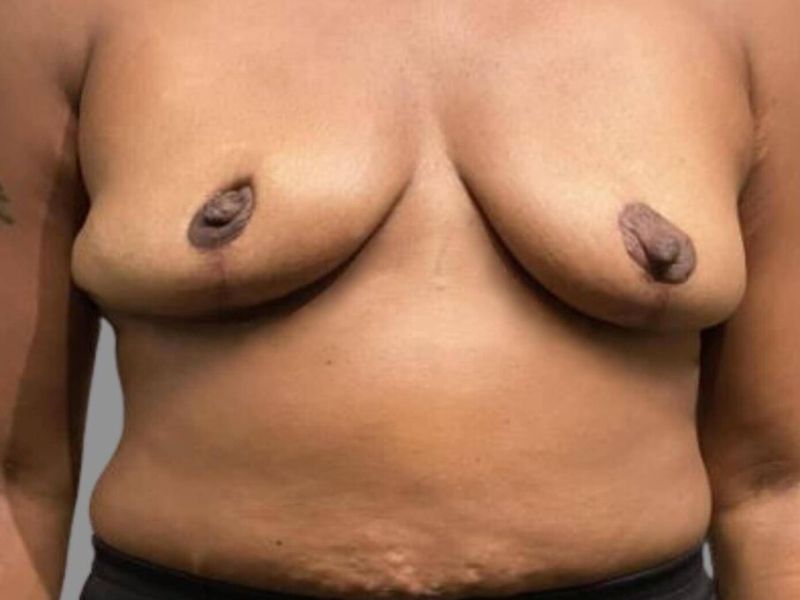
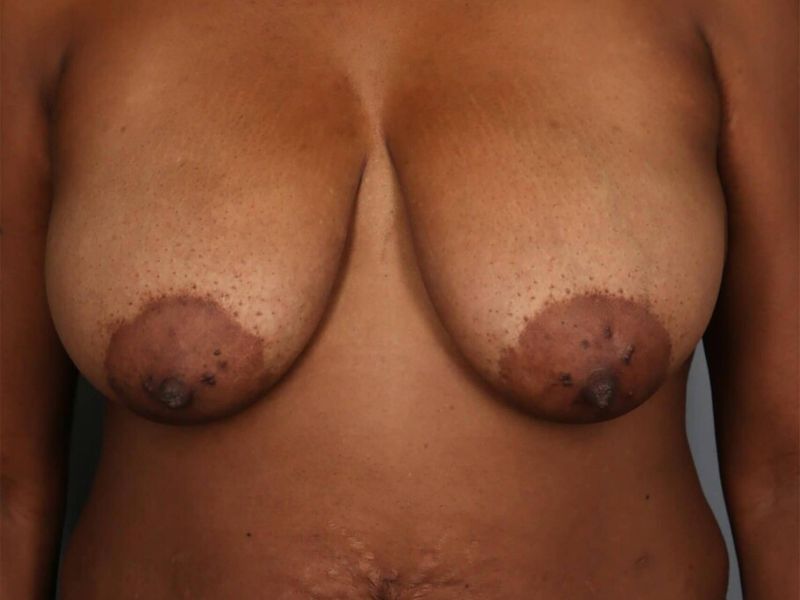
The SWIM flap breast reconstruction surgery takes place in two stages of a single procedure. First, all breast tissue is carefully removed during the mastectomy portion of the procedure. All skin and subcutaneous fat are preserved. During the second, reconstruction portion of the procedure, the preserved skin and fat are folded in stacks to create the appearance of a new breast. No muscle is sacrificed or cut from donor sites, and no abdominal, back, or buttock tissue is transferred. The extra remaining skin and fat of the original breast is folded to create a smaller, reduced appearance of the breast. If extra skin is present lateral to the breast, often called the “dog ear”, this fat is also used under the breast and the extra skin is removed. The final result is a breast that appears smaller than the original, with scars similar to a breast reduction.
Recovery After SWIM Flap Breast Reconstruction
Recovery after SWIM flap breast reconstruction can vary depending on several factors including the individual patient's health and healing process. In general, patients should expect some discomfort, swelling, and bruising in the days and weeks following surgery. Pain medication and compression garments may be prescribed to help manage these symptoms. It's important to follow Dr. Cassileth’s post-operative instructions carefully, which may include avoiding strenuous activity, lifting heavy objects, or driving for several weeks. You may also be advised to wear a special support bra or garment during the recovery period to help minimize swelling and support the healing tissues. Follow-up appointments with Dr. Cassileth will allow her to monitor your healing process and address any concerns or complications that may arise. Overall, recovery from SWIM flap breast reconstruction can take several weeks to several months, depending on the extent of the surgery and your individual healing process. With proper care and attention, however, most patients are able to return to their normal activities and enjoy the benefits of restored breast symmetry and appearance.
What to expect
From consultation to recovery.
Before Surgery
- Consultation — Dr. Cassileth evaluates your breast size, tissue quality, and goals to confirm SWIM is the right approach.
- Coordination — Surgery is planned jointly with your mastectomy surgeon at Bedford Breast Center.
- Pre-op preparation — Instructions, lab work, and insurance authorization completed in advance.
During Surgery
- Mastectomy + SWIM reconstruction — Performed together. Breast tissue is removed, and the remaining skin and fat are reshaped into a breast mound.
- Nipple preservation — The nipple and areola are retained using the Wise-pattern incision.
- Pain management — Nerve blocks provide multi-day pain relief.
After Surgery
- Hospital stay — One night typical.
- First week — Drains managed at home. Swelling and bruising subside gradually.
- Weeks 2–4 — Light activity resumes.
- 6+ weeks — Full activity. Final shape settles over several months.
“With SWIM reconstruction, we use the patient's own healthy tissue to create a natural, implant-free breast. For many women, knowing their result is entirely their own body is deeply meaningful.”
Dr. Lisa Cassileth
“Dr. Cassileth and her staff were outstanding! I had a double mastectomy with a SWIM reconstruction and I am very happy with the results. Dr. Cassileth and her staff were very professional and truly amazing at their craft. I always felt cared for during every step of the process. I only wish that every woman could have such wonderful care when having to face a mastectomy due to cancer.”
— Kristi K. via Google My Business
Insurance
Read about coverage & financing →SWIM reconstruction after mastectomy is typically covered by insurance under federal mandate. Our team handles authorization and billing.
FAQ
Common questions.
Where Does the Tissue for SWIM Flap Reconstruction Come From?
Good candidates for SWIM flap reconstruction need a sufficient amount of breast skin, fat, and blood vessels available to create the new breast mound. That’s because the tissue for SWIM flap reconstruction is taken from the leftover breast skin and tissue after the mastectomy portion of this two-step procedure is complete.
How Long Does SWIM Flap Reconstruction Surgery Take?
The surgery can take approximately four hours, depending on the extent of the reconstruction needed, preservation of the nipple, and the amount of excess skin and fat being used to recreate the breasts.
How Long Does It Take To Recover From SWIM Flap Breast Reconstruction?
Recovery can vary, however, Dr. Cassileth typically recommends patients spend a couple of days in an aftercare facility under the guidance of a nurse. Following that, most patients are able to then comfortably spend the rest of their recovery period at home, which is several weeks of rest and limited activity to allow the new tissue to heal. The majority can resume light exercise after two weeks but should refrain from heavy lifting for six weeks. It is recommended that patients traveling from out of town should plan to stay in Los Angeles for 10 days after their surgery.
Are There Any Risks Or Complications Associated With SWIM Flap Reconstruction?
As with any surgery, there are risks and potential complications, such as infection or problems with wound healing. Dr. Cassileth will discuss these risks with you prior to your procedure.
How Does SWIM Flap Reconstruction Compare To Implant-Based Reconstruction?
SWIM flap reconstruction uses the patient's own tissue, while implant-based reconstruction uses breast implants. Both have benefits, and the choice will depend on factors such as the patient's medical history, body type, and personal preferences. Dr. Cassileth can help you decide which option is best for you.
Related reading
From the journal.


Sources
Cited research.
- 1Cassileth LB, Killeen, KL, Richardson HH. SWIM Flap: Skin-Sparing, Wise Pattern, Internal Mammary Perforator Breast Reconstruction. JACS. January 17, 2020; 230(5). DOI:https://doi.org/10.1016/j.jamcollsurg.2019.12.015 doi.org
- 2Wilkins EG, Hamill JB, Kim HM, et al. Complications in Postmastectomy Breast Reconstruction: One-year Outcomes of the Mastectomy Reconstruction Outcomes Consortium (MROC) Study. Ann Surg. 2018;267(1):164-170. doi:10.1097/SLA.0000000000002033
Ready to discuss swim flap reconstruction?
Schedule a consultation with Dr. Cassileth and her team to explore your options.
Request a consultation