Advances in Breast Reconstruction: Techniques, Recovery, and Results
Reconstructive breast surgery is a procedure that restores breast shape and proportion after a mastectomy, lumpectomy, or traumatic injury. Today, advances in technique and biomaterials allow surgeons to achieve natural contours with greater predictability. As a result, the recovery time for breast reconstruction can be shorter and more comfortable for many patients.
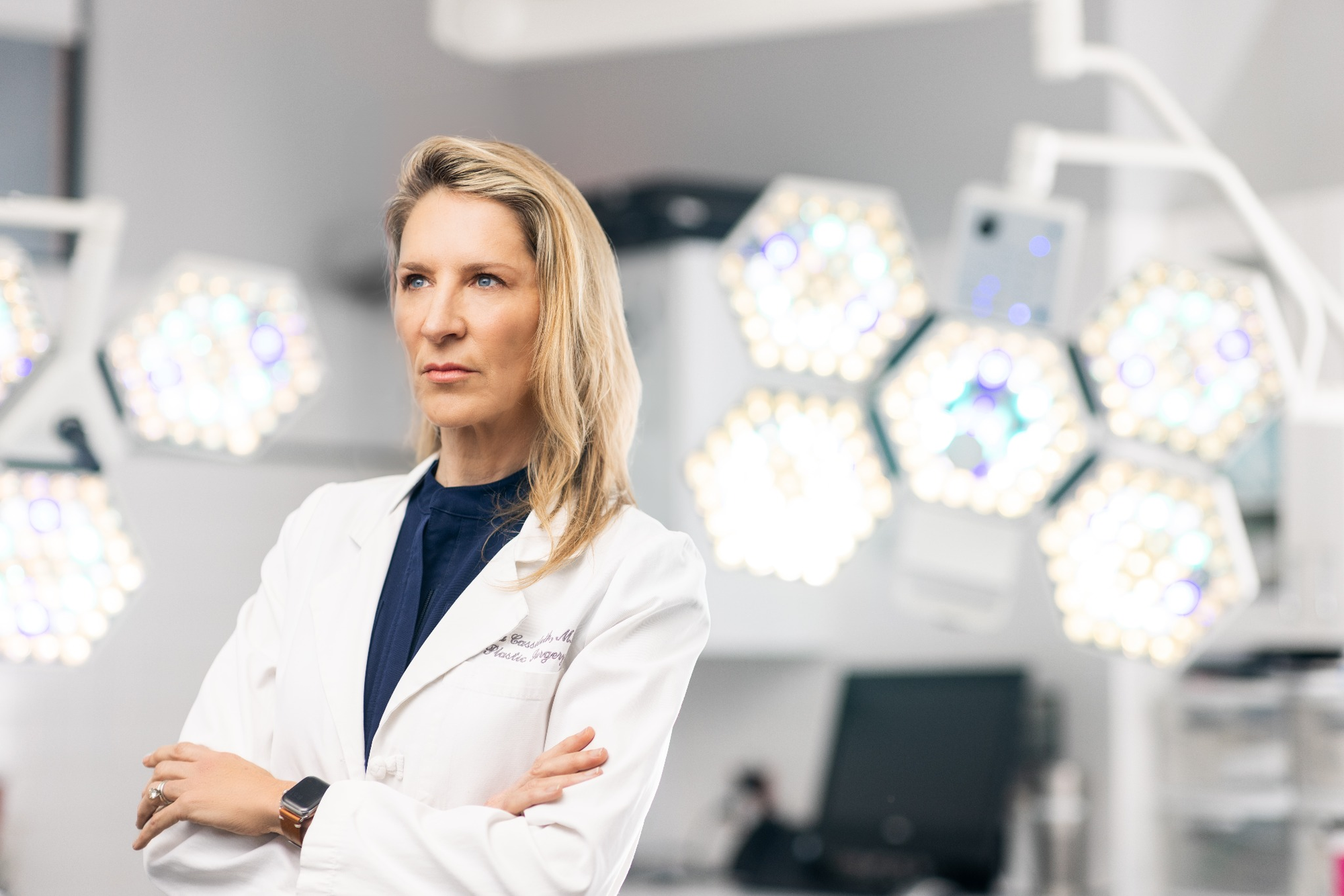
, a board-certified plastic surgeon recognized for pioneering one-stage reconstruction, brings specialized expertise in both immediate and complex revision procedures. Her patient-centered planning ensures that treatment aligns with medical needs and cosmetic goals.
What Is Reconstructive Breast Surgery?
Reconstructive breast surgery rebuilds breast shape after mastectomy, lumpectomy, or injury. The goals of this procedure are simple: restore contour, improve symmetry, and help you feel comfortable in clothing. For patients treated for breast cancer, reconstruction can be done at the same time as surgery to remove the disease or scheduled for later. Timing depends on your health and treatment plan. According to the
, reconstruction can be immediate or delayed, and radiation is a key factor that may influence this decision. Once timing is decided, reconstruction typically follows one of two paths. Implant-based reconstruction uses a saline or silicone implant to recreate volume. Tissue-based reconstruction uses your own skin and fat as a flap, often from the abdomen or back as the donor site. Newer options include
(direct-to-implant) procedures and placing the implant above the muscle with supportive mesh, which can improve comfort and, in selected patients, simplify early recovery.
Modern Techniques in Breast Reconstruction
Reconstructive breast surgery has expanded to offer implant-based, tissue-based, and hybrid methods, with plans tailored to each patient’s needs. When appropriate, surgeons may also use newer techniques like placing implants above the muscle, adding mesh for support, or preserving the nipple for a more natural look.
Implant-Based Breast Reconstruction: Newer Implants, Prepectoral Placement, and Mesh Support
Implant-based reconstruction restores volume with saline or silicone implants. Newer cohesive gels provide improved shaping and durability. A major advance is the
(DTI) technique, pioneered by Dr. Lisa Cassileth. With DTI, the final implant is placed immediately at the time of mastectomy in carefully selected patients. This approach avoids the traditional step of tissue expansion, shortens the overall process, and allows many women to wake up from surgery with their reconstruction already complete. Moreover, placing the implant above the muscle with biological mesh can limit animation deformity while maintaining comparable safety to subpectoral methods; studies from the
also report lower capsular contracture and fewer device failures with prepectoral placement. Not every patient is suited to these methods. They work best when the skin heals well after mastectomy and no post-mastectomy radiation is planned, since radiation can affect both healing and implant outcomes.
Autologous Flap Reconstruction: DIEP, TRAM, and Latissimus Options
Autologous reconstruction rebuilds breast shape using your own skin and fat. Results often feel natural and change with you over time. However, surgery and recovery take longer.
- DIEP flap: transfers lower abdominal skin and fat while preserving the core muscle. You keep better abdominal strength, and contouring can help create a slimmer, more defined waist. Hospital stay is typically several days, and activity limits last 4 to 6 weeks.
- TRAM flap: moves lower abdominal tissue with a portion of the rectus muscle. It remains reliable when blood vessels are less favorable. You may notice some core weakness and a higher risk of abdominal bulging; recovery is similar to DIEP.
- Latissimus dorsi flap: uses the back muscle with a small skin paddle, sometimes paired with a small implant. This approach is often recommended after radiation treatment or when there is not enough abdominal tissue available. Expect a back scar and temporary shoulder stiffness.
Who is a good candidate for this? Good candidates are those who want a natural look, have enough donor tissue, and can take time off from strenuous activity during recovery. Non-smokers in stable health tend to heal best, and prior radiation often makes a flap approach preferable.
Hybrid Reconstruction and Fat Grafting for Shaping
Hybrid reconstruction pairs a smaller implant with limited tissue transfer or staged fat grafting to refine contour and softness. Because fat grafts integrate gradually, you typically undergo brief, spaced sessions to build volume safely. A 2022
systematic review and meta-analysis
found that autologous fat grafting does not increase locoregional recurrence after breast cancer treatment, supporting its oncologic safety for breast reconstruction.
SWIM (Skin-sparing, Wise-pattern, Internal Mammary Perforator)
SWIM (Skin-sparing, Wise-pattern, Internal Mammary Perforator) is a reconstructive option that uses your preserved skin and fat to create a breast mound without implants. This approach is best suited for women who want to avoid devices and have enough residual tissue for shaping. It typically results in a smaller, natural breast form while preserving blood flow to the nipple, which supports both healing and appearance. Dr. Lisa Cassileth pioneered the SWIM technique and later detailed it in the
Journal of the American College of Surgeons
, where she and her team outlined the operative steps and indications.
Nipple-Sparing Mastectomy in Reconstruction Planning
Nipple-sparing mastectomy preserves the nipple-areola complex and most of the skin, so your reconstructed breast can look more natural and maintain familiar landmarks. As a result, scars are limited and symmetry is easier to achieve. You may be an ideal candidate when imaging shows clear tissue behind the nipple and your skin has strong blood flow. This approach pairs well with prepectoral implant placement and biological mesh support, which helps maintain shape and projection; it also integrates smoothly with flap or hybrid reconstruction.
Benefits of Recent Advances
Modern reconstruction techniques improve aesthetics and comfort while reducing surgical trauma. As a result, the recovery time for breast reconstruction can be shorter, and you may resume daily activities sooner. Care plans also match your anatomy and treatment goals more precisely.
- Improved natural look and feel: cohesive gel implants, prepectoral placement with biological mesh, and targeted fat grafting refine contour and symmetry, so the breast often feels closer to your own tissue.
- Less invasive approaches and smaller incisions: prepectoral placement avoids muscle dissection, and perforator-based flap harvest preserves muscle. Pain and swelling tend to be lower; arm mobility returns earlier.
- Lower complication rates and quicker return to daily life: enhanced recovery pathways, intraoperative blood-flow assessment, and focused infection prevention reduce seroma, infection, and readmissions. This will help you start light activities sooner.
- More options for different body types or medical backgrounds: prepectoral implants can suit active patients, flaps often serve those after radiation, and hybrid plans help when tissue is thin.This personalization aligns with your goals.
Recovery Time for Breast Reconstruction
The
recovery time for breast reconstruction
follows clear stages. Most discomfort happens early, then eases noticeably by weeks 2 to 3. In many cases, patients are back to regular exercise within 6 to 12 weeks Your surgeon will tailor restrictions to the procedure and your healing pace.
Key factors affecting recovery timeline include:
- Procedure type (implant, flap, or hybrid).
- Individual healing biology.
- Adjuvant radiation or chemotherapy.
- Nicotine exposure.
- Comorbidities
These variables guide your restrictions and the pace of return to work and exercise.
Tips for a Smoother Recovery
Aim for steady, safe progress. Follow your plan, listen to your body, and keep communication open with the care team. Small, consistent steps help you feel better sooner.
- Follow post-op instructions: wear your surgical bra as instructed, and record drain output twice a day. Keep incisions clean and dry, avoid lifting more than 5 to 10 pounds, and do not drive while taking narcotic pain medication.
- Manage discomfort wisely: use scheduled acetaminophen and, if cleared, an NSAID; reserve opioids for breakthrough pain. Apply cold packs for 10 to 15 minutes at a time. Sleep with the upper body elevated 30 to 45 degrees. Add a stool softener while using opioids.
- Promote healing: walk short distances 3 to 5 times daily. Perform cleared shoulder range-of-motion exercises. Eat protein-rich meals, hydrate well, and avoid nicotine and vaping. Protect incisions from the sun and friction.
- Know when to contact your care team: contact your surgeon if you develop a fever over 38°C, spreading redness, swelling, unusual drainage, worsening pain, or sudden changes in breast size.
Anticipated Results: What to Expect
Expect visible changes in stages. Swelling softens in the first weeks; contour and symmetry refine over months. Reconstruction can occur at mastectomy or later, and if the nipple–areola is not preserved, it may be recreated in a later step.
- Timeline to final aesthetic results: early swelling eases by 2 to 3 weeks. The shape typically stabilizes by 3 to 6 months. Scars continue to mature and lighten over 6 to 12 months.
- Managing expectations: scars remain but fade; sensation may change. Minor touch-ups, such as fat grafting or small symmetry adjustments, can refine contour once tissues settle.
- Realistic outcomes and emotional considerations: You should expect a natural look in clothing and improved balance. Confidence often builds as softness returns and movement feels normal; seek support if mood or body-image concerns persist.
Which Reconstruction Path Fits Your Goals?
Personalized planning drives outcomes. The right technique depends on your anatomy, oncologic plan, and preferences. Modern options such as direct-to-implant, prepectoral implants with mesh, fat grafting,
, and perforator flaps improve contour, comfort, and predictability. These advances can make recovery feel smoother, with milestones reached sooner. For clear guidance,
schedule a consultation with Dr. Lisa Cassileth
. She will review your candidacy, outline realistic timelines for you, and map a plan that fits your goals. You leave with next steps, practical aftercare, and confidence in the path ahead.
FAQs
What is reconstructive breast surgery?
Reconstructive breast surgery rebuilds breast shape and symmetry after mastectomy, lumpectomy, or injury. Options include implants, SWIM, and hybrid fat-grafting. Timing may be immediate or delayed. Plans align with your health and treatment plan, so care remains individualized to you.
How long is the recovery time for breast reconstruction?
The recovery time for breast reconstruction varies. You may walk a day after surgery, return to desk work in 1 to 2 weeks, and resume low-impact exercise by 4 to 6 weeks. Final contour matures over 3 to 12 months, depending on technique.
Can I return to normal activities after surgery?
You can return to normal activities gradually. Short walks start early; light household tasks follow within days. Desk work often resumes in 1 to 2 weeks. Patients can usually resume low-impact exercise by 4 to 6 weeks, while high-intensity training is delayed for several months until cleared.
Are advanced techniques available for revision cases?
Yes. Revision options address capsular contracture, implant malposition, or asymmetry. Surgeons may adjust the pocket with biological mesh, exchange devices, add fat grafting, or convert to hybrid or flap reconstruction. Because surgical plans reflect your anatomy and goals, the focus is always on achieving natural proportion and lasting comfort.
Will insurance cover advanced breast reconstruction techniques?
Often, yes. In many regions, insurers cover post-mastectomy reconstruction, symmetry procedures, and treatment of complications. Coverage still depends on your policy, medical necessity, and preauthorization. To prepare, bring your records to the consultation and ask for a written estimate covering surgeon, facility, and anesthesia fees.
More from the journal


